A modern hotel reception desk might draw your attention to the design, or a detailed feature wall or a perfectly fitted built-in cabinet. However, behind this neat look, precision manufacturing is a key factor. CNC millwork is a way that manufacturers can translate a detailed digital design into repeatable and accurate components for modern architectural interiors.
This is important for architects, interior designers, developers, and project teams, as custom millwork may require precise dimensions and a cohesive design throughout a space. The goal can be achieved with the help of CNC technology, which is a combination of digital design and controlled cutting, routing, drilling, and shaping.
What Is CNC Millwork?
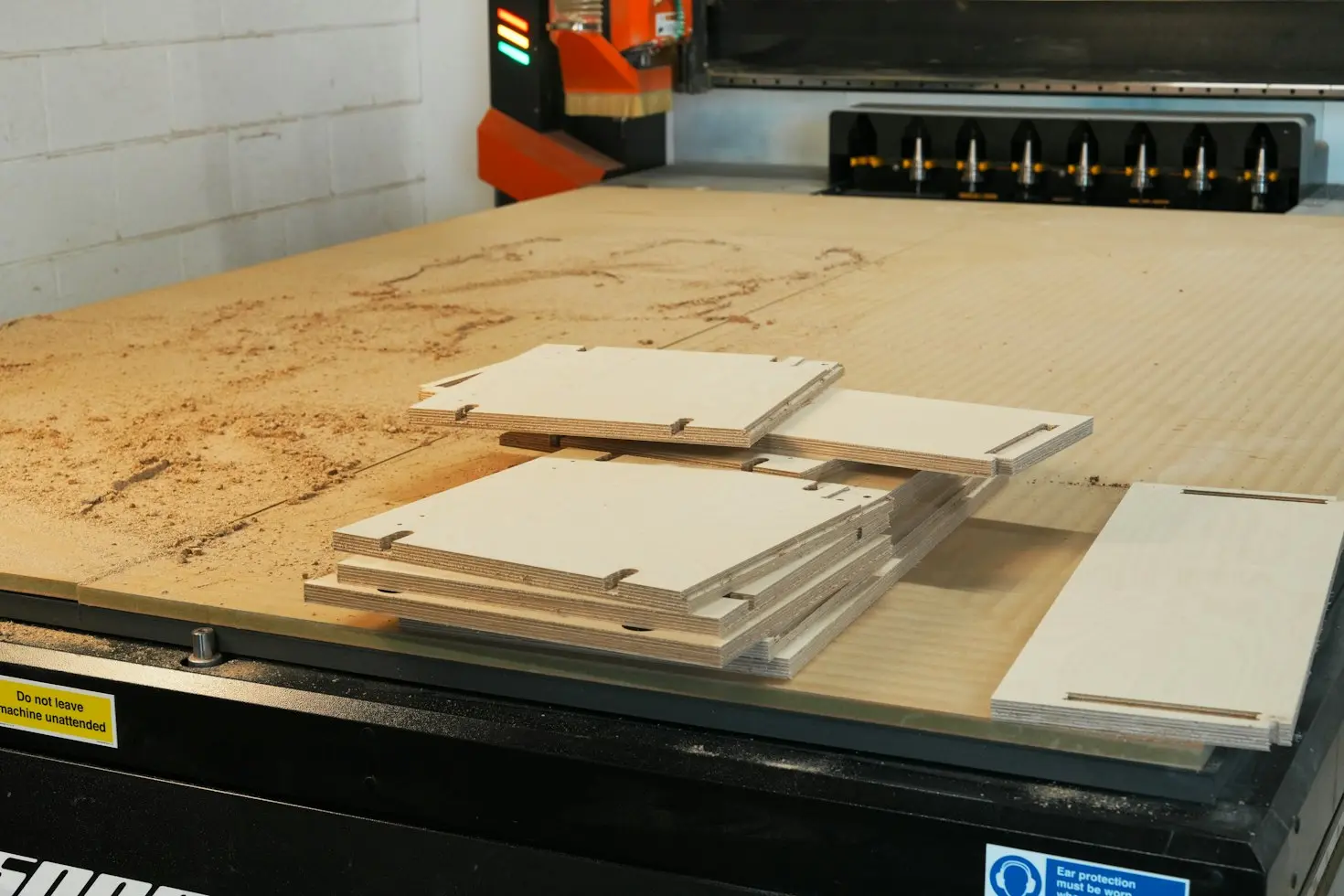
CNC millwork is a method of cutting, drilling, routing, and shaping parts of millwork with computer-controlled machines, following design files. This process can be used to ensure that manufacturers create accurate parts, with consistency between each piece and production runs.
CNC is an acronym for Computer Numerical Control. The machine uses programmed instructions from a digital design to make cuts rather than depending on a person to measure and guide each cut.
Typical procedure begins with a CAD drawing or other digital model. The production team sets up manufacturing information and transmits the proper instructions to the CNC machine. The machine then carries out certain operations based on those instructions.
This is particularly effective for custom architectural millwork, where the dimensions, patterns, openings, curves, joints, and details can vary from project to project.
- For instance, if a hotel is being built, 50 identical decorative wall panels are needed. The approved digital design can be used in a CNC workflow to manufacture the needed parts repeatedly without manually measuring and recreating each panel.
That is not to say that CNC technology takes the place of a skilled craftsman. Experience and attention to detail are still required for finishing, assembly, material selection, quality checks and installation.
Why Is CNC Millwork Important for Modern Architectural Projects?
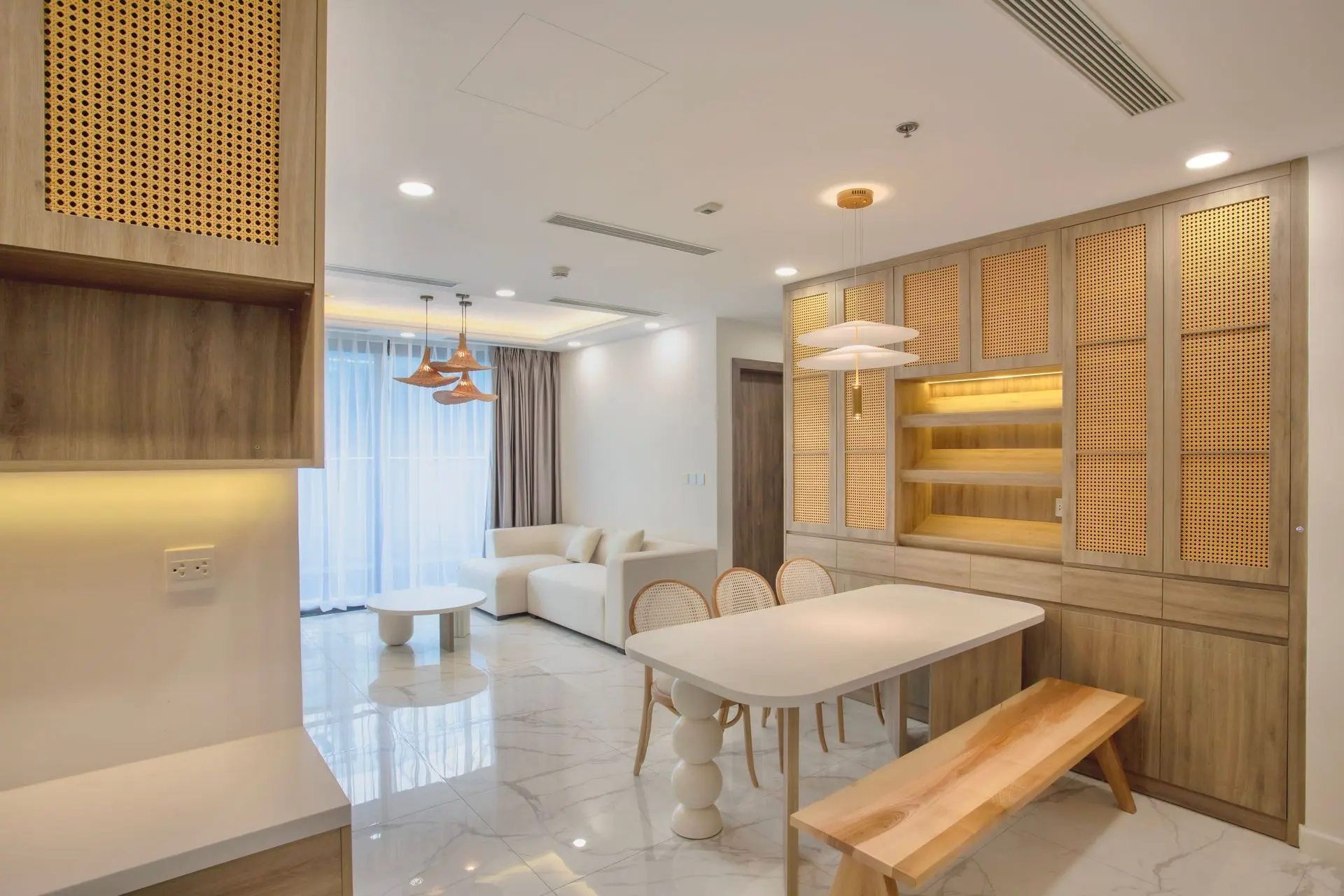
CNC millwork is important because many of today's architectural projects demand precision, customization, repeatability and efficiency simultaneously. Digital manufacturing enables the designer's concept to be related to the physical components that make up the interior.
In a modern interior, the standard size is not followed. An unusual wall angle may need to be followed in a reception desk. There are times when a wardrobe must fit between two structural elements. A feature wall can be a combination of multiple panel sizes in a single pattern.
While traditional fabrication can tackle custom work, CNC technology provides an additional layer of control for repeatable dimensions and complex details for manufacturers.
Another key benefit is when your project has numerous similar parts. After the team approves the digital information, the same manufacturing instructions can be used for repeated parts.
- For instance, a residential development could include dozens of apartments with the same wardrobe and storage units. While keeping the overall design the same with the project, CNC production can help to ensure that those units are consistent in their dimensions and detailing.
How Does CNC Manufacturing Improve Millwork Precision?
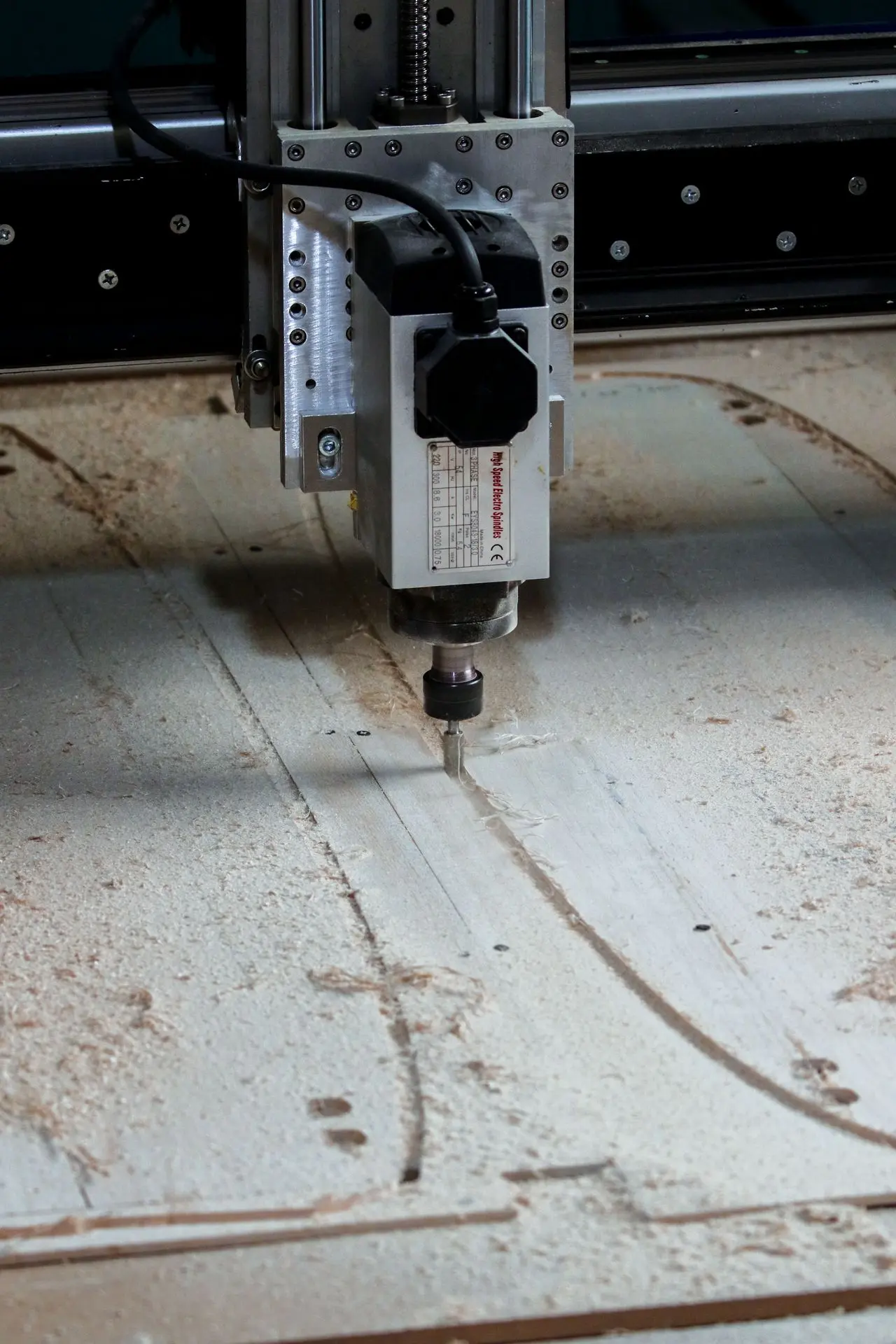
CNC manufacturing also contributes to precision by using programmed digital instructions for every cutting, drilling or routing operation. This eliminates the need for taking multiple manual measurements of the same part.
This is important because a slight dimensional variation can cause assembly or installation issues. Components should be consistent with the architecture, hardware, adjacent panels, and other interior elements.
CNC manufacturing can assist in:
- Accurate dimensions
- Consistent openings
- Repeatable drilling positions
- Accurate grooves and channels
- Detailed routing
- Consistent component shapes
- Improved relatedness of parts
The digital workflow also streamlines the design to production process. For instance, Autodesk discusses the use of CAD, CAM, CNC support, and nesting tools to improve the efficiency of custom millwork companies in processing complex cabinetry projects.
- Example: Take a reception counter with a number of identical cable openings. The production team can use the approved digital design to ensure that the position and size of the necessary openings are the same for each.
How Does CNC Millwork Improve Production Efficiency?
CNC millwork can enhance production effectiveness by automating repetitive cutting and machining tasks while maintaining the accepted digital dimensions. This frees up time for highly proficient teams to focus on fabrication, finishing, assembly and quality control.
Efficiency isn't just about cutting faster. A good production workflow also minimizes non-essential measuring, duplication of set-up and work, and avoidable fabrication errors.
CNC manufacturing can help with efficiency in the following ways:
- The use of digital preparation prior to machining.
- Repeatable cutting instructions
- Consistent drilling and routing
- Improved design for the production interface.
- Simplifies the replication of approved parts
- Improved production planning structure
Digital manufacturing can also be used for material planning. Software can be used to help manufacturers plan the layout of components and minimize wasted materials in custom cabinetry and complex installations.
- Example: If the project requires several shelves to be produced with the same size and hole pattern, the production team can only prepare the required information once and then use it for the corresponding batch, instead of re-producing the measurement process for each shelf.
Can CNC Millwork Handle Complex Architectural Designs?
Yes. There are many complex shapes, patterns, openings, and detailed parts that need to be fabricated consistently, and that's where CNC millwork can help. Digital manufacturing provides designers with greater flexibility to develop complex parts without the need for completely manual cutting.
It is ideal for modern interior designs that feature geometric designs, curved elements, decorative panels, built-in storage, and custom furniture.
Common applications include:
- Decorative wall panels
- Curved components
- Custom cabinetry
- Reception desks
- Feature walls
- Integrated shelving
- Detailed doors and panels
- Geometric decorative elements
- Custom storage systems
Careful planning is still needed for complex work. The design team must have knowledge of the material, thickness, joining method, hardware, finishing requirements, and installation conditions prior to production.
- For instance, a designer can make a feature wall that has a repeating geometric pattern. CNC routing can be used to accurately reproduce each panel section to ensure that the pattern is repeated across the wall with even gaps.
What Materials Can You Use for CNC Millwork?
Depending on the type of machine and the needs of the project, CNC millwork can work with a variety of materials that are often used in the architecture of interior spaces, including laminate-based veneers, solid wood, and engineered wood products.
The appropriate material will depend on the design, location, use, finish, budget, and durability requirements.
Common options include:
Material | Common Applications |
MDF | Painted panels, cabinetry, decorative components |
Plywood | Structures, storage, durable components for cabinets |
High quality furniture, trims, and architectural features | |
Panels, cabinetry, and high quality visual surfaces | |
Laminate | Commercial interiors and high-use cabinetry. |
Real-life cabinetry and storage solutions |
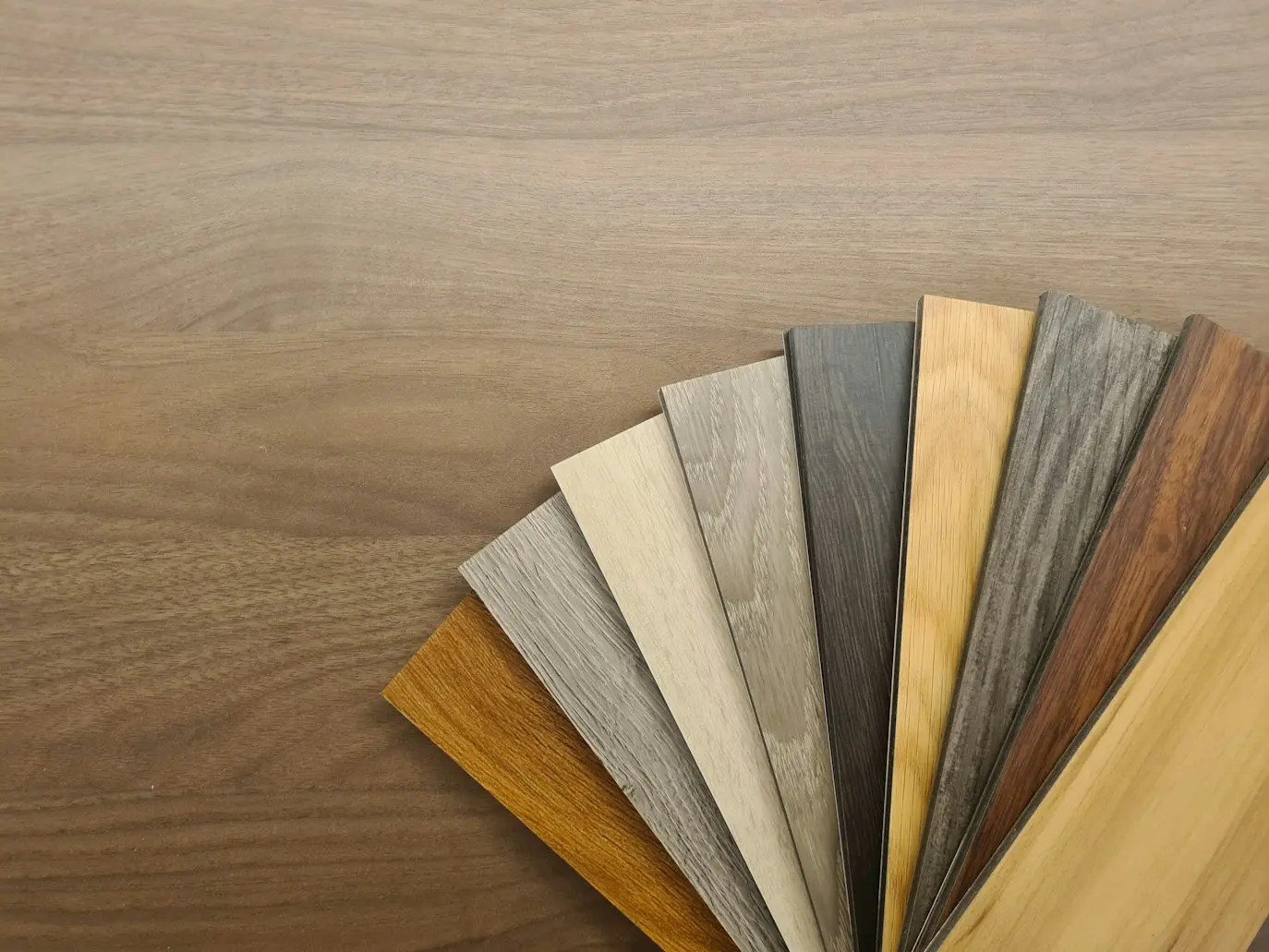
The choice of material also influences the end result. For instance, veneer can be used to achieve a natural wood finish, and lacquer can be used to give a smooth contemporary finish.
- At Belosso, our architectural millwork solutions can use finishes such as melamine, lacquer, and veneer, with material and finish choices based on the project's design goals, budget, and performance requirements.
In some applications, it is also possible to mix millwork with surfaces like natural stone, quartz, sintered stone or stainless steel.
CNC Millwork vs. Traditional Millwork: What's the Difference?
CNC millwork is based on digitally controlled machining and is repeatable, while traditional millwork may be more reliant on manual measuring, cutting, shaping and fabrication. While either method can create good quality work, CNC technology is especially beneficial when the project calls for repeated parts or intricate digital designs.
Factor | CNC Millwork | Traditional Millwork |
Measurement | Digital production data | Manual measurement is more important |
Repeatability | Great for repetitive parts | Relies more on individual fabrication |
Complex Patterns | Digital patterns well suited to | Requires more manual labor, frequently |
Custom Dimensions | Highly adaptable | Also highly adaptable |
Production Scale | Can be used for multiple productions | May need more manual work |
Craftsmanship | Works alongside competent craftsmanship | Requires a high degree of craftsmanship |
The comparison does not imply that CNC should always be used in place of traditional craftsmanship.
High quality architectural millwork can combine technology and craftsmanship. The CNC machines can perform precise repetitive tasks, and the human experts will be in charge of material selection, assembly, finishing, detailing, and installation.
- For instance, although a CNC machine can precisely cut the cabinet parts, it is still necessary to rely on the professional skills of the craftsmen to assemble the cabinet parts correctly and ensure that the cabinet reaches the required design and quality of the project.
How Does CNC Millwork Support Large-Scale Projects?
CNC millwork is also useful for large-scale projects, as it allows for the easy reproduction of identical parts in multiple rooms, units or locations. This is helpful when the same design element is required for a project numerous times.
For large projects, these can include:
- Hotels
- Apartment developments
- Residential communities
- Offices
- Retail spaces
- Restaurants
- Resorts
- Commercial buildings
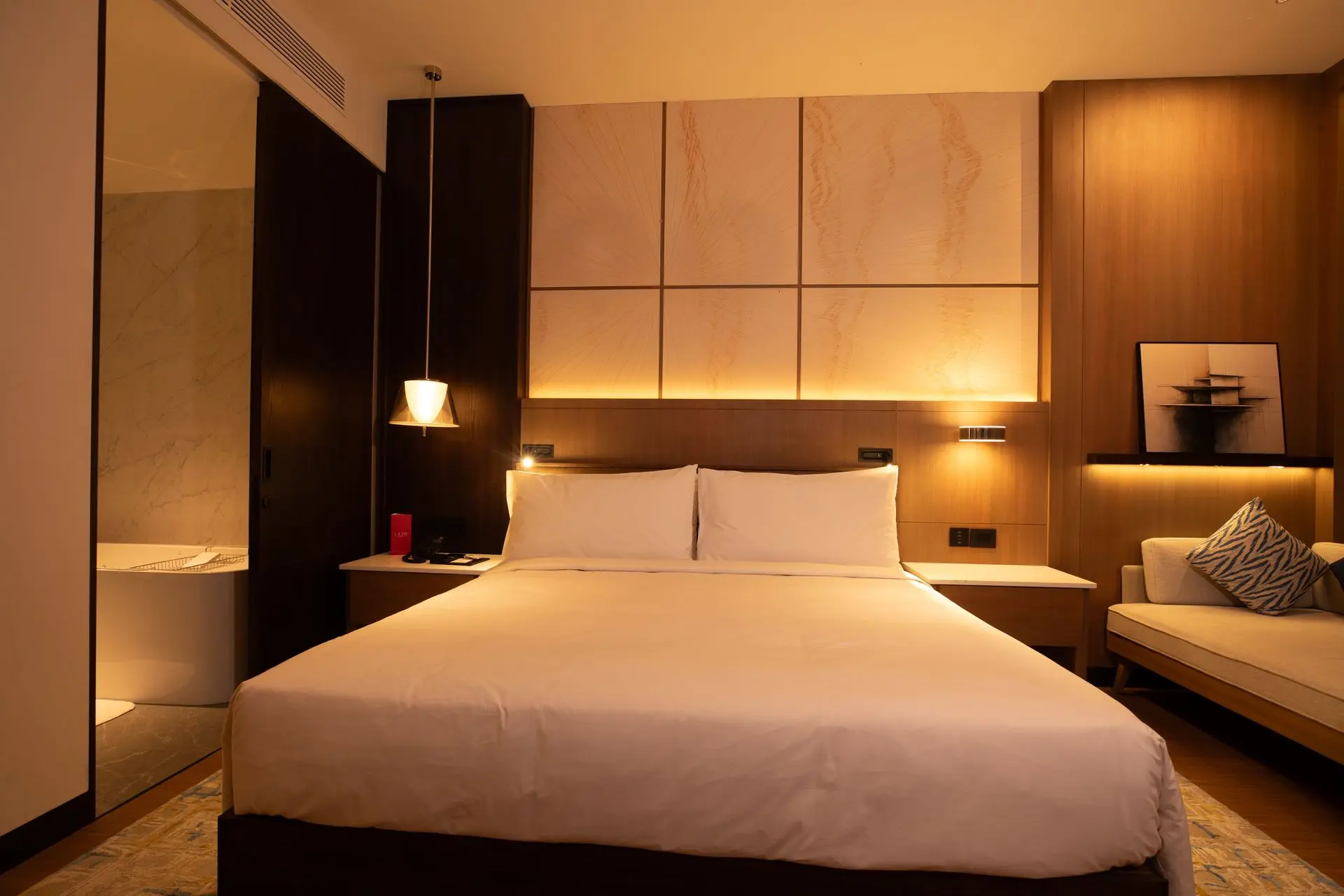
The hospitality projects offer a good example. A hotel might require the same type of wardrobes, desks, headboards, wall panels, or public area features in numerous rooms.
The same basic dimensions and design details are required for the components involved, and a consistent digital production process can help the manufacturer maintain the same dimensions and design details.
We work on a variety of residential, hospitality, and commercial projects around the world, and our architectural millwork includes built-in joinery, feature walls, reception areas, storage systems and much more.
- Example: A hotel developer might allow one guestroom wardrobe design and then mandate that design for hundreds of rooms. CNC production can help the team repeat the production process, and the team can control the material, finish, equipment, and quality of the product.
What Is the CNC Millwork Production Process?
A typical CNC millwork project will go from design coordination to digital detailing, CNC machining, finishing, assembly, and quality control. Every step is significant, as it is impossible to correct an incorrect design or project information with accurate machining.
1. Design Coordination
Firstly, the project team looks at drawings, dimensions, materials, finishes, hardware and functional requirements.
We begin by designing, coordinating, and pricing the project to ensure the project requirements are in sync before detailed production work starts.
2. Shop Drawing and Technical Details
The design concept is then turned into buildable information in the form of detailed shop drawings.
These drawings can specify dimensions, materials, construction details, hardware placements, and other vital production details.
3. Digital CNC Preparation
The production team prepares the appropriate digital information for the CNC equipment.
This stage is bridging the gap between the machine's cutting and machining instructions and the approved design.
4. Material Preparation
The team sets up selected material for machining. The thickness of material, size, direction of the grain, requirements for finish, and other factors may influence the production setup.
5. CNC Cutting and Machining
The CNC machine then carries out the necessary tasks, such as cutting, routing, drilling, or shaping.
6. Assembly and Finishing
Once the components have been machined, they proceed to other stages of fabrication. Finishings, hardware and other necessary work can be done on the parts by teams.
7. Quality Control
Finally, the team verifies the finished components to the approved specification.
From built-in joinery and feature walls to reception areas, storage systems and beyond, our architectural millwork projects span residential, hospitality and commercial sectors across the globe.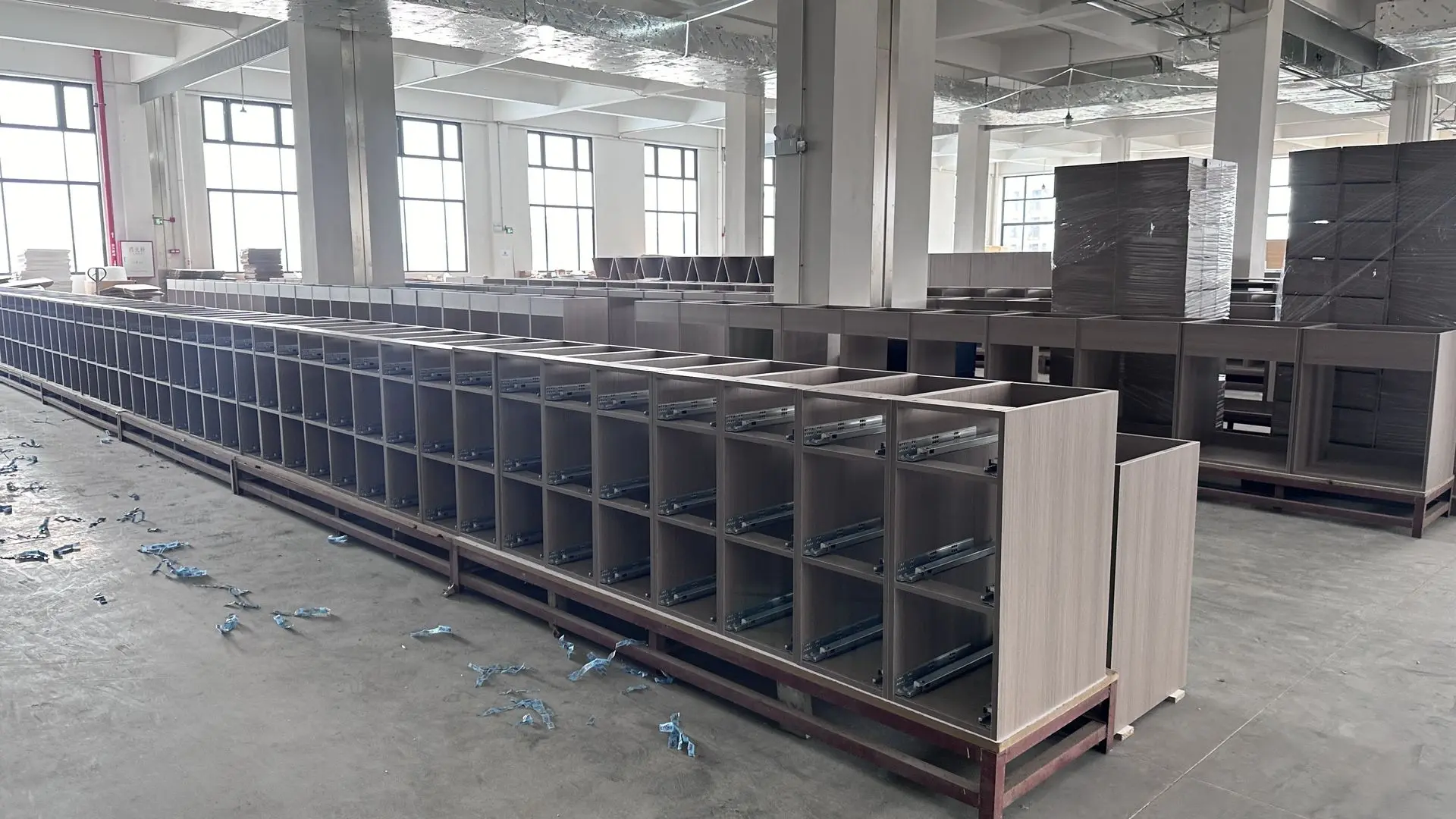
How Does CNC Millwork Improve Quality Control?
CNC millwork can help with quality control, as it provides production teams with repeatable part dimensions and consistent digital instructions. But the CNC machine alone isn't enough for overall quality.
A quality-control process should take into account:
- Material quality
- Component dimensions
- Machining accuracy
- Edge quality
- Joinery
- Hardware
- Surface finish
- Assembly
- Packaging
- Installation requirements
This is important because even if the piece is cut perfectly, it requires the right material, finish, hardware, and assembly.
- At Belosso, our architectural millwork process includes meticulous shop drawings, thoughtful material and hardware specifications, controlled production, and quality control.
Example: If a project needs a sequence of reception counters. Although the CNC machining process can help to ensure the accuracy of the panel size, it is necessary to carry out the final inspection before shipping, including the surface finish, joints, hardware, and assembly.
Where Is CNC Millwork Commonly Used?
CNC millwork can be used in any place a project requires custom interior parts that are sized and detailed to repeat. Custom millwork is used in residential, hospitality and commercial interiors for practical and visual reasons.
Hospitality
CNC produced components are suitable for hotels and resorts to use in:
- Reception desks
- Concierge counters
- Bar fronts
- Guestroom cabinetry
- Wardrobes
- Headboards
- Feature walls
- Built-in storage
Hospitality spaces are typically in use all day long, so it's important to consider how the space will look but also how it will hold up to daily use. Our hospitality millwork is both aesthetically pleasing and long-lasting.
Residential
Examples of residential uses may include:
- Kitchens
- Walk-in wardrobes
- Built-in cabinets
- Shelving
- Wall paneling
- Home offices
- Entertainment units
Commercial
Custom CNC millwork can be used for commercial projects in the following ways:
- Reception areas
- Meeting rooms
- Retail displays
- Office storage
- Feature walls
- Service counters
- Integrated cabinetry

What Are the Main Benefits of CNC Millwork?
The advantages of CNC millwork are accuracy, repeatability, design flexibility, manufacturing efficiency, and improved correlation between digital design and actual manufacture.
The easy version is:
- Precision: Digital instructions for controlling the size of components.
- Consistency: Production information for repeated parts can be the same.
- Scalability: Manufacturers can duplicate approved parts for bigger projects.
- CNC equipment can be used to manufacture a wide variety of detailed shapes and patterns, providing design flexibility.
- Efficiency: Automated machining eliminates repetitive manual processes.
- Coordination: Digital information links design and manufacturing.
- Quality Control: Dimensional control is easier with consistent components.
The largest benefit is project dependent. CNC's ability to deal with complicated geometry might be best suited for a one-off custom piece, whereas repeatability might be better suited for a large hotel project.
Is CNC Millwork Suitable for Custom Architectural Millwork?
Yes. The custom architectural millwork industry is particularly suited to CNC millwork, which is a blend of unique project requirements with controlled digital fabrication. Repeatable manufacturing with a fully custom design.
This distinction matters.
“Custom” does not imply that each component has to be made using a different process. The design of a project can be unique but still use digital production to produce components accurately.
A designer can, for instance, design a wardrobe that fits an unusual-shaped room. The manufacturer can convert the approved dimensions into production information and machine the individual parts to these requirements.
At Belosso, our architectural millwork solutions allow customization of dimensions, finishes, and configurations to suit different project requirements.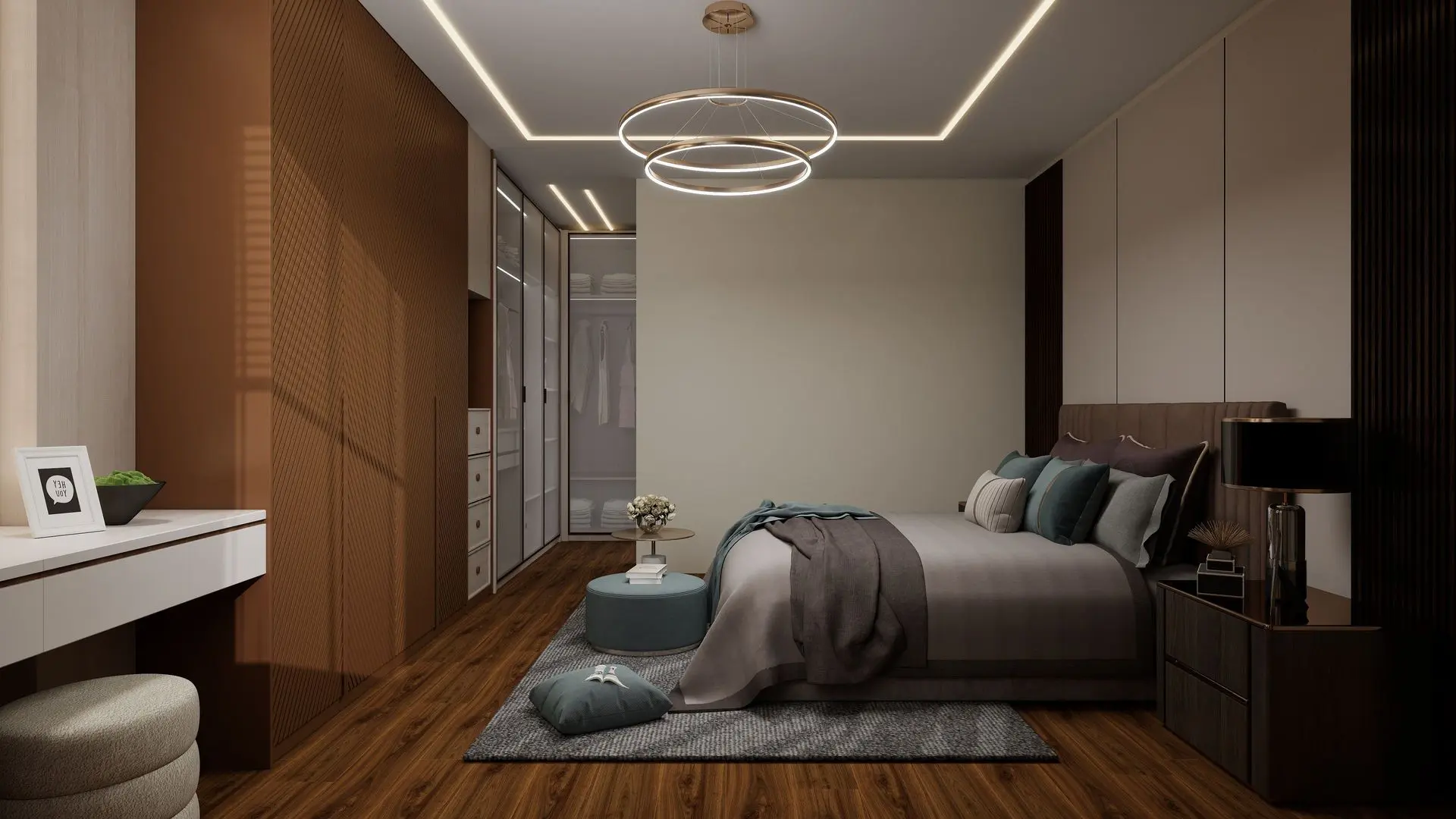
How Does CNC Millwork Support Our Approach to Architectural Millwork?
Design coordination, technical detailing, material selection, controlled manufacturing and quality control are all combined to provide custom architectural millwork for various project needs.
CNC is not a standalone process but rather part of that process.
Project drawings or actual site measurements are used, and detailed shop drawings are created prior to production. Finished samples are also available for project teams to verify colors, materials and surface qualities prior to manufacturing.
Architectural millwork applications include built-in joinery, feature walls, reception desks, storage systems, and hospitality areas. Various materials and finishes can also be used to suit the design and performance requirements of the project.
- Example: If you are building a hotel lobby that requires a custom reception desk and feature wall, we can coordinate the design details, verify materials and finishes, create shop drawings, produce the necessary pieces, and perform quality checks prior to delivery.
That integrated process can help you relate the design you like to the actual product you get.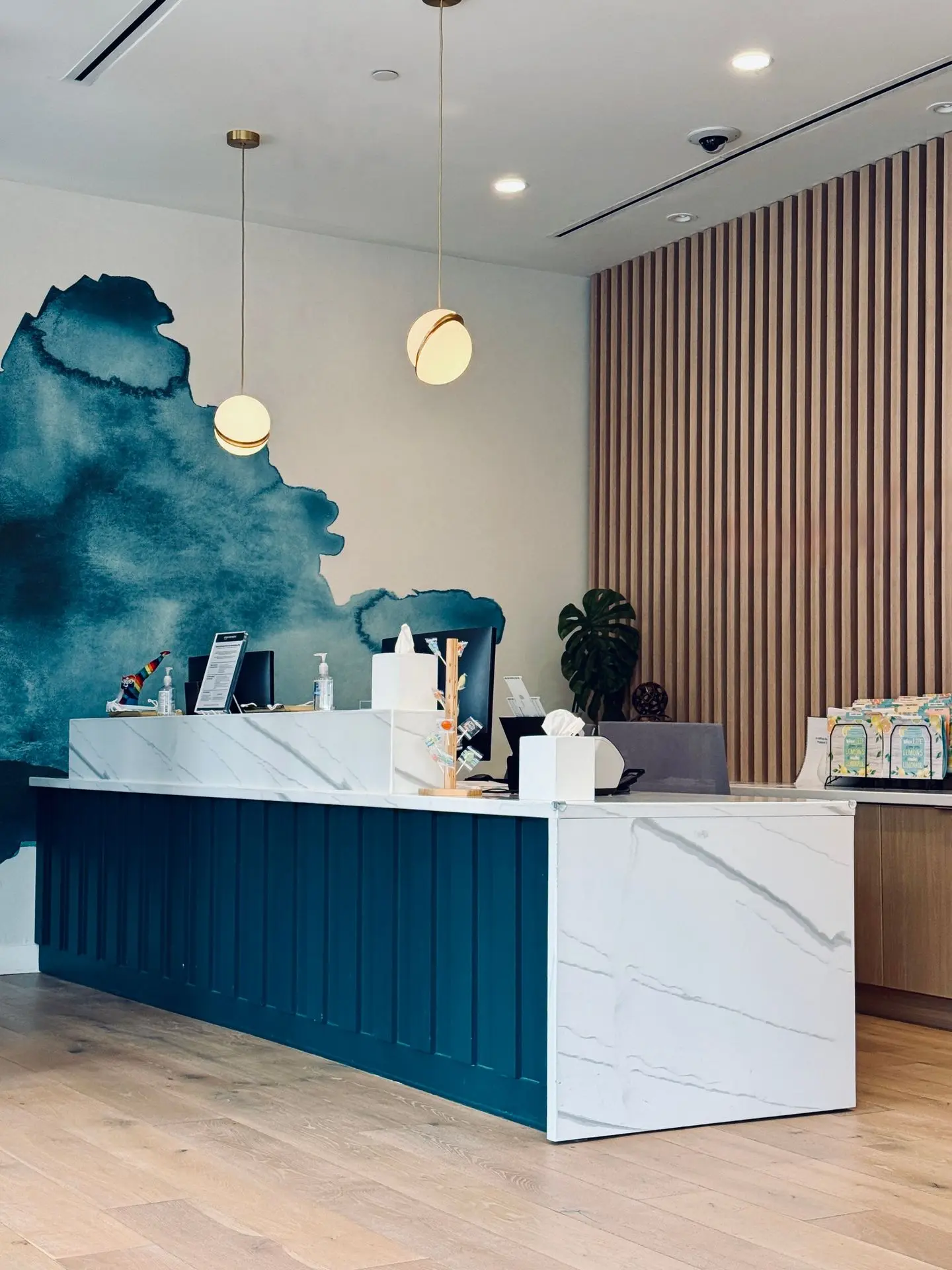
What Should You Consider When Choosing a CNC Millwork Manufacturer?
It is not enough to consider only the CNC machine but also the design coordination, technical drawings, material knowledge, quality control, production capacity, and project experience of the manufacturer.
Prior to selecting a manufacturing partner, ask:
- Does the manufacturer have the ability to read architectural plans?
- Is the team able to create detailed shop drawings?
- Are they able to deal with custom dimensions?
- What materials and finishes are they able to offer?
- What is their method for testing the quality of their components?
- Are they able to handle multiple parts in larger projects?
- How do they synchronize the changes in design?
- Are they able to accommodate hospitality and business needs?
- What about their packaging and delivery?
- Are they able to give examples of similar work?
It's also important to inquire about the manufacturer's approval processes.
Having a clear approval process can minimize confusion prior to production. Our workflow includes design coordination, shop drawings and renderings, finish sampling and sign-off, followed by production and quality control.
- Expert Tip: Don't assume that the CNC millwork manufacturer is only as good as the machines he has. Inquire about the company's relationship between design, engineering, material selection, production, inspection, and delivery. Those steps are what will make or break the final product.
CNC Millwork for More Precise Architectural Interiors
CNC millwork offers digital accuracy and repeatable production in today's architectural interior designs, and it still allows for custom design. It can aid you in creating intricate components, ensuring uniformity in larger projects, and bridging the gap between approved digital designs and physical manufacturing.
However, the technology is not the only thing that dictates the quality of the interior that is produced. The result is also influenced by the correctness of the drawings, the appropriate materials, the skilled manufacture, the finishing, the assembly, and the quality checks.
Whether you're designing a residential, hospitality or commercial project, we can help you translate your architectural needs into custom millwork solutions. Contact us and talk about your drawings, materials, finishes, dimensions, and production needs and ask for a specific quote for your project.
Frequently Asked Questions
What is CNC millwork?
CNC millwork is the process of cutting, drilling, routing, and shaping millwork parts from digital design information using computer-controlled machines. It is useful for manufacturers to produce accurate and repeatable parts for custom architectural interiors.
Is CNC millwork better than traditional millwork?
CNC millwork provides significant benefits in terms of precision, repeatability, and intricate digital designs, whereas traditional craftsmanship still plays a crucial role in finishing and assembly tasks and detailed fabrication. Technology is often the best solution, but in many cases it takes a good craftsman to make it work.
Can CNC machines make custom architectural millwork?
Yes, CNC machines have the ability to manufacture a wide variety of custom millwork parts, such as cabinetry, panels, reception desks, storage systems, and decorative pieces. The manufacturer can use the digital production information to modify the size and design of the project.
Is CNC millwork suitable for hotel and commercial projects?
Yes, CNC millwork is ideal for hotel and commercial applications, especially when the project requires uniformity in parts throughout the spaces. It can be used for guestroom furniture, reception desks, wall panels, storage, counters, and other custom interior features.