Just imagine that you have entered a building that contains bare concrete walls, a plain floor, and the ceiling. It is chilly, bare, and incomplete. Suppose, however, that we should have beautiful wooden wall paneling, a grand reception desk of dark oak, custom-built bookshelves extending all the way to the ceiling, and fancy trim work about all the door frames.
The architectural millwork is the power of that transformation. It is the jewel of a building. It is a raw construction site that is transformed into a fancy house or an office. We shall take you on a tour of all that you should know about this fundamental component of the building world in this guide.
Introduction: What Is Architectural Millwork?
First, to know architectural millwork, you must know what is meant by the word "mill." A mill is a manufacturing plant where unprocessed wood is made. Thus, millwork is defined as the product of wood that is mill-made and then fitted in a building.
The Clear Definition
Architectural millwork is all the ornamental and functional woodwork that has been fixed permanently on the interior of a house or office. Consider such items as crown molding, wood paneling, in-built cabinets, and custom stairs. We can make it of wood, and you cannot move like a piece of furniture; it is most probably millwork.
Millwork vs. Standard Carpentry
Now you may say, is this nothing but carpentry? Not exactly. Normal carpentry normally occurs on the construction site. A carpenter cuts wood and joins them together to create a carcass of a house.
Millwork is not the same, as we do it in a controlled factory setting with high-tech machine work. This gives the possibility of great precision. A carpenter can make a deck outside, whereas a millwork professional can make an expensive library in the office of a CEO.
Why It Matters Today
Individuals desire individual space in contemporary buildings. No one would desire his or her office to resemble the one of the neighbor. Architectural work of millwork enables the architects to be creative. It also assists in acoustics (sound control) and conceals unsightly items such as wires, pipes, and building beams.
Commercial and Residential Applications
- Commercial: There should be a lot of toughness in millwork in a hotel, hospital, or store. It must be able to handle thousands of people that touch it daily.
- Residential: At home, it is all about beauty and storage. We design custom walk-in closets, kitchen islands, and decorative wall slats, which make a home resemble a cozy one.
Millwork in Contracts
Millwork is commonly part of the fit-out contract when a large building is under construction. This is the point where the skin of the inside is put on. In case of late millwork or poor quality, the whole project halts. This is the reason why a developer should select the appropriate partner, which is why this choice is the most significant one.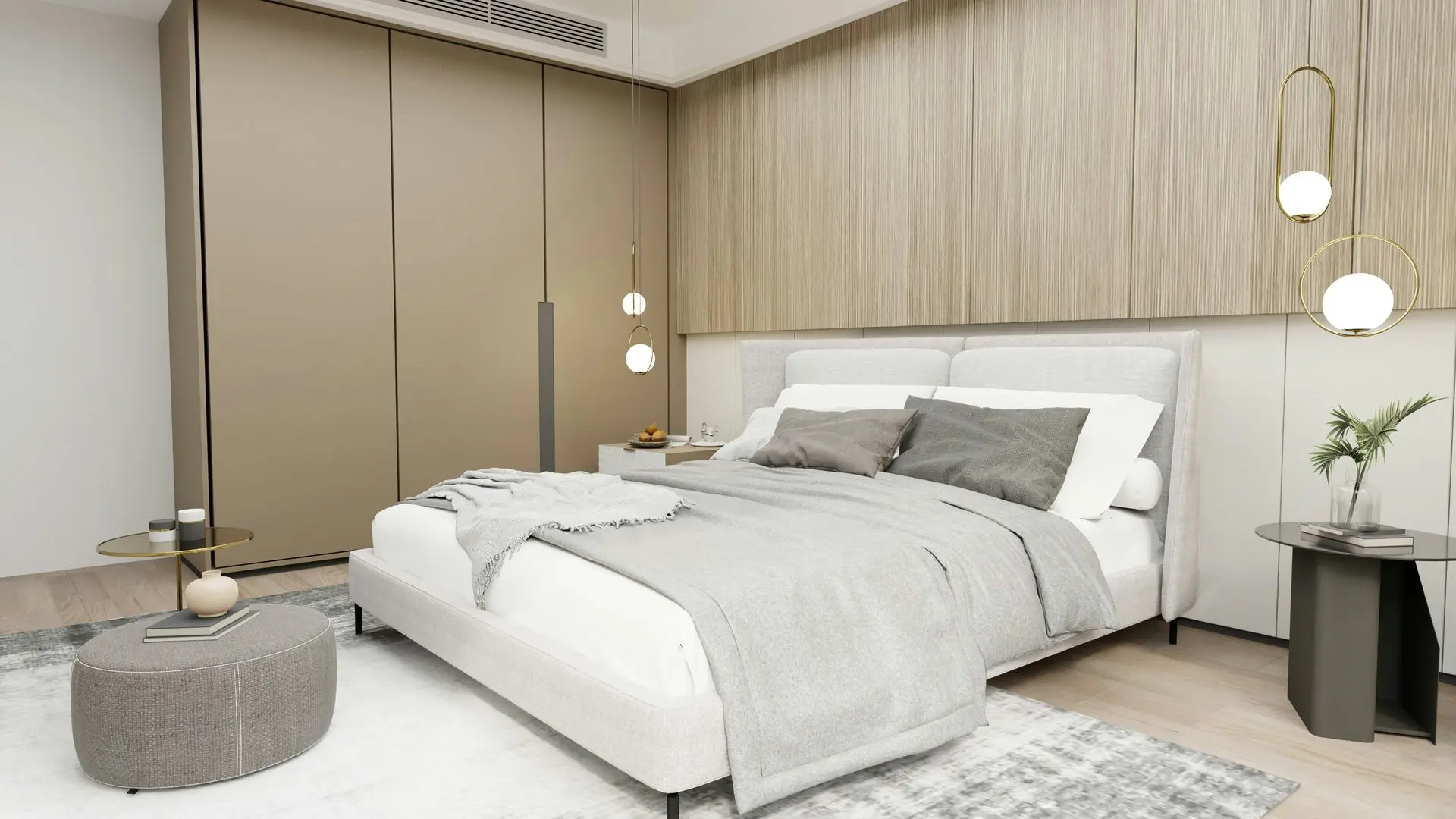
What Does Architectural Millwork Include? (Scope of Architectural Millwork Services)
You do not just buy a millwork contractor by simply purchasing wood. When you hire a millwork contractor, you are hiring a complete four-stage process. This is the total millwork scope.
Architectural Millwork Design & Shop Drawings Process
It is the most crucial phase. The architect will give an idea and the millwork contractor will have to determine how to construct the same.
- Individual Customization: We make the choice on the method of joinery, thickness of material, and the integration of hardware.
- CAD Drawings and Approvals: The contractor draws up very detailed CAD (Computer-Aided Design) drawings known as shop drawings. These represent all the screws, joints, and dimensions. These drawings have to be approved by the architect and the interior designer before any fabrication is done.
- Coordination: We liaise with the other consultants so that, e.g., the lighting that the electrical engineer has recommended to install is the LED lighting that perfectly fits into the custom shelving.
Fabrication & Manufacturing
When drawings are accepted, a factory is then commenced with specific production.
- Process of Factory Production: It is a smooth assembly line that would entail accurate cutting (usually CNC routers) and edge-banding, assembling, and sanding.
- Selection of Materials: It involves the sourcing of raw materials such as MDF (Medium-Density Fiberboard) or plywood used to make cores and hardwoods, natural veneers, or high-pressure laminates used as visible surfaces.
- Finishing Techniques: It is what you see and touch, which is the finish. This involves sanding and staining to a certain tone as well as a coating of protective finishes such as polyurethane or high-end lacquers in a dust-free paint booth.
Installation & Site Coordination
Even the finest millwork will not appear beautiful when improperly installed.
- On-Site Fitting: The installation crew will put the manufactured parts together on-site and have to contend with walls and floors that are hardly straight.
- Coordination with MEP Works: That they coordinate with the mechanical, electrical, and plumbing (MEP) trades to have outlets, switches, and pipes align exactly with cutouts in the cabinetry.
- Quality Checking: Final Inspection: This process involves checking on all the joints, doors, and finishes and also checking if they are all smooth.
Supply-Only vs. Supply-and-Install Contracts
The two primary types of contracts are for employing millwork services:
- Supply-Only: The millwork company pre-cuts the items and sends them to the location. The installation is done by the general contractor's own team. These are more dangerous because the fabricator will not be liable in case the items do not fit because of mistakes in the measurements on the site.
- Supply-and-Install: This is the industry standard for high-end projects. The millwork contractor handles the entire work of site measurement up to the final installation. This single-point responsibility implies that when something is not fitting, then it is the responsibility of the millwork contractor to repair it.
Typical Components of Architectural Millwork
The following is a breakdown of typical millwork components in order to provide you with an idea of the scope of this trade.
Wall & Ceiling Features
Such characteristics make ordinary flat surfaces architectural points.
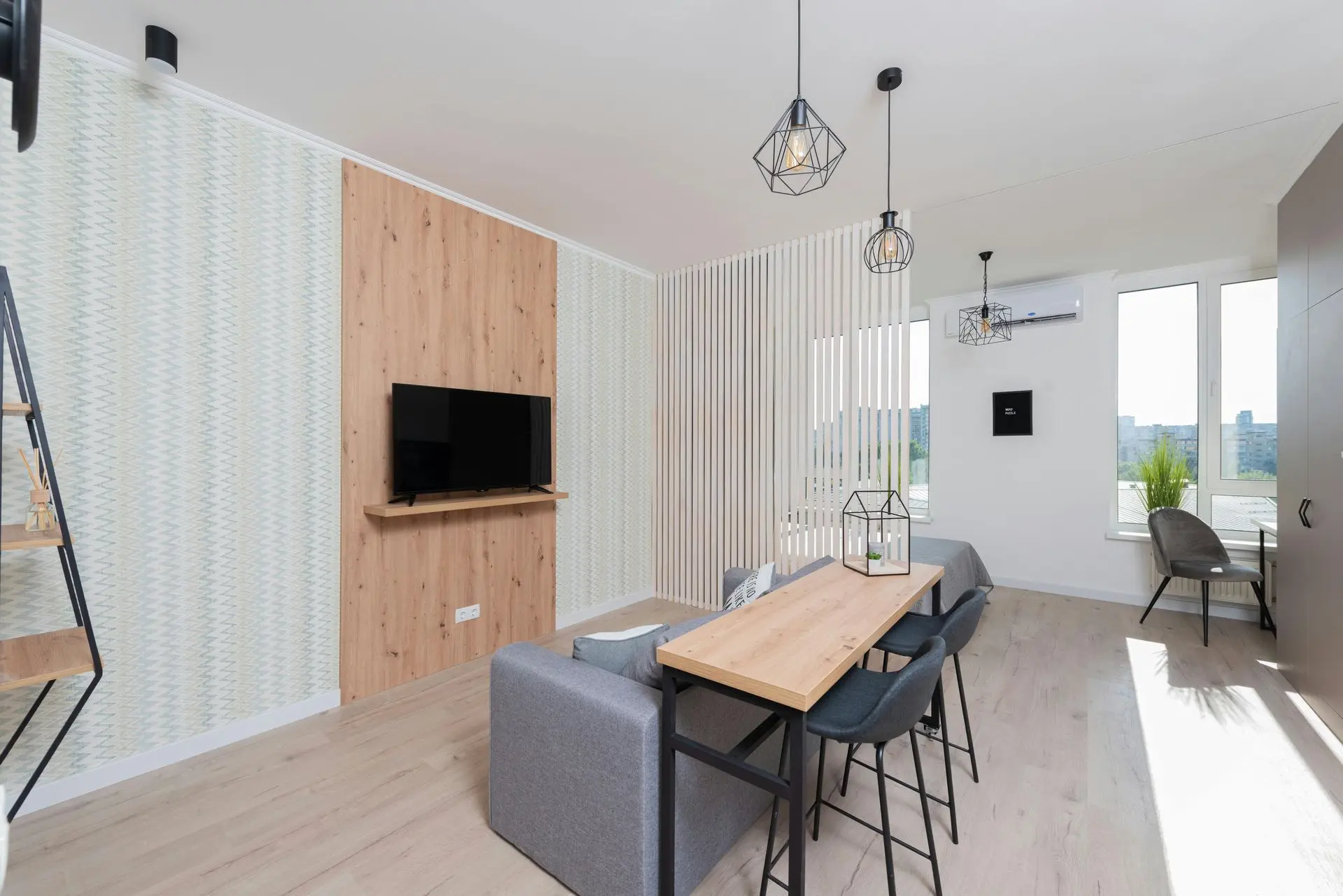
- Wood Paneling: Standard flat (wainscoting) or complicated and geometric 3D paneling.
- Feature Walls: Acoustic wooden slats at an auditorium or a glamorous book-matched wall of veneers at a boardroom.
- Acoustic Panels: Wood panels are special-purpose panels that absorb sound and are used in offices and theaters.
- Ornamental Treatments of the ceiling: Coffered ceiling, ornamental wooden beams, and intricate suspended wooden grid ceiling systems.
Doors & Frames
Millwork deals with the doors that are considered as a part of the general interior design.
- Custom Wooden Doors: Large pivot doors in the upscale house or heavy veneered doors used by the offices.
- Fire-Rated Door Cladding: Fire door veneer: A high-quality wood veneer applied to fire door frames that makes it look like it is part of the rest of the paneling.
- Architraves: The ornamental moulding that comes around a door frame.
Cabinetry & Built-In Furniture
It is the most widespread type of millwork.
- Reception Desks: these are very complex, and they are a mixture of woodwork, stone, metal, and glass.
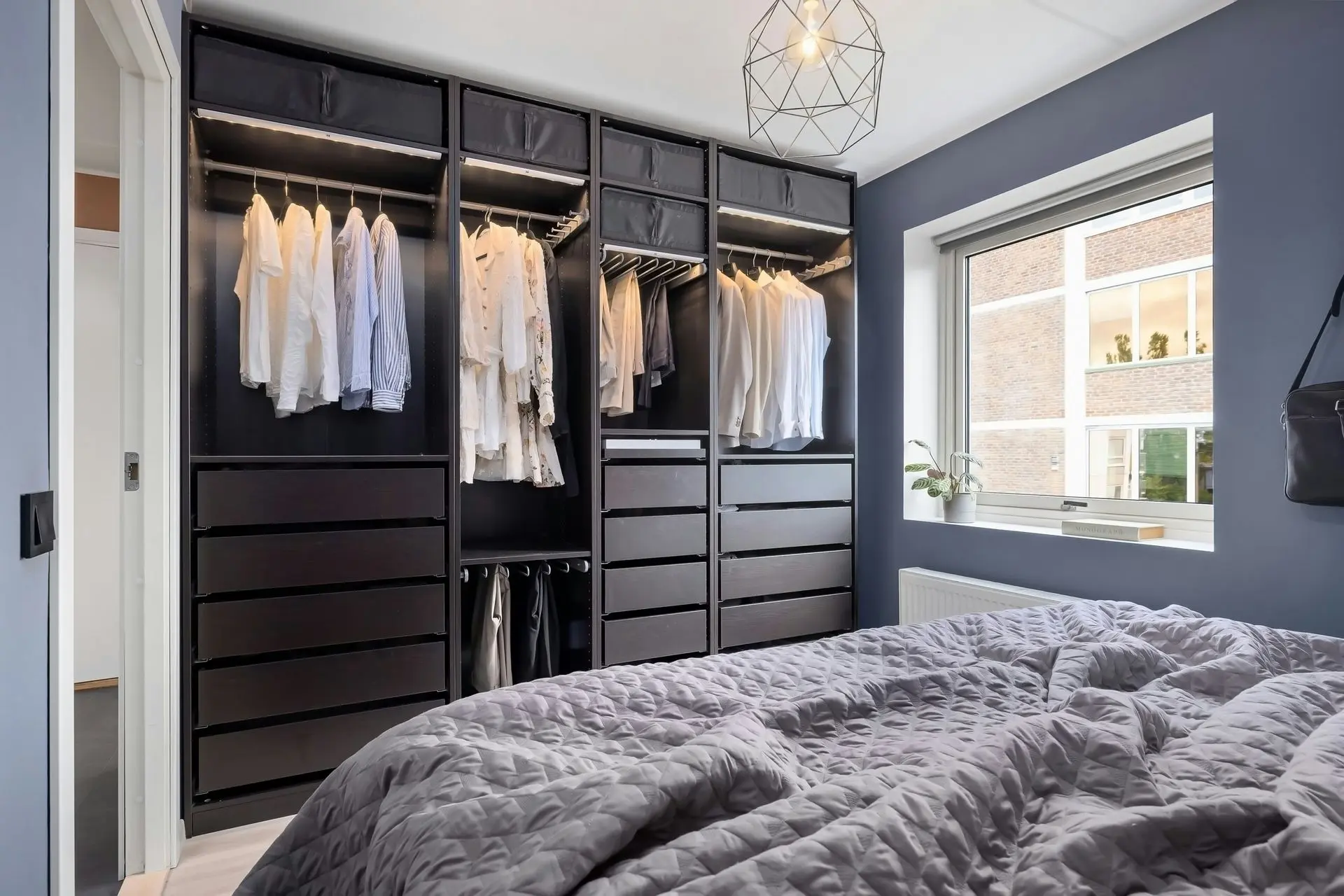
- Wardrobes & Closets: Walk-in wardrobe systems that are completely custom.
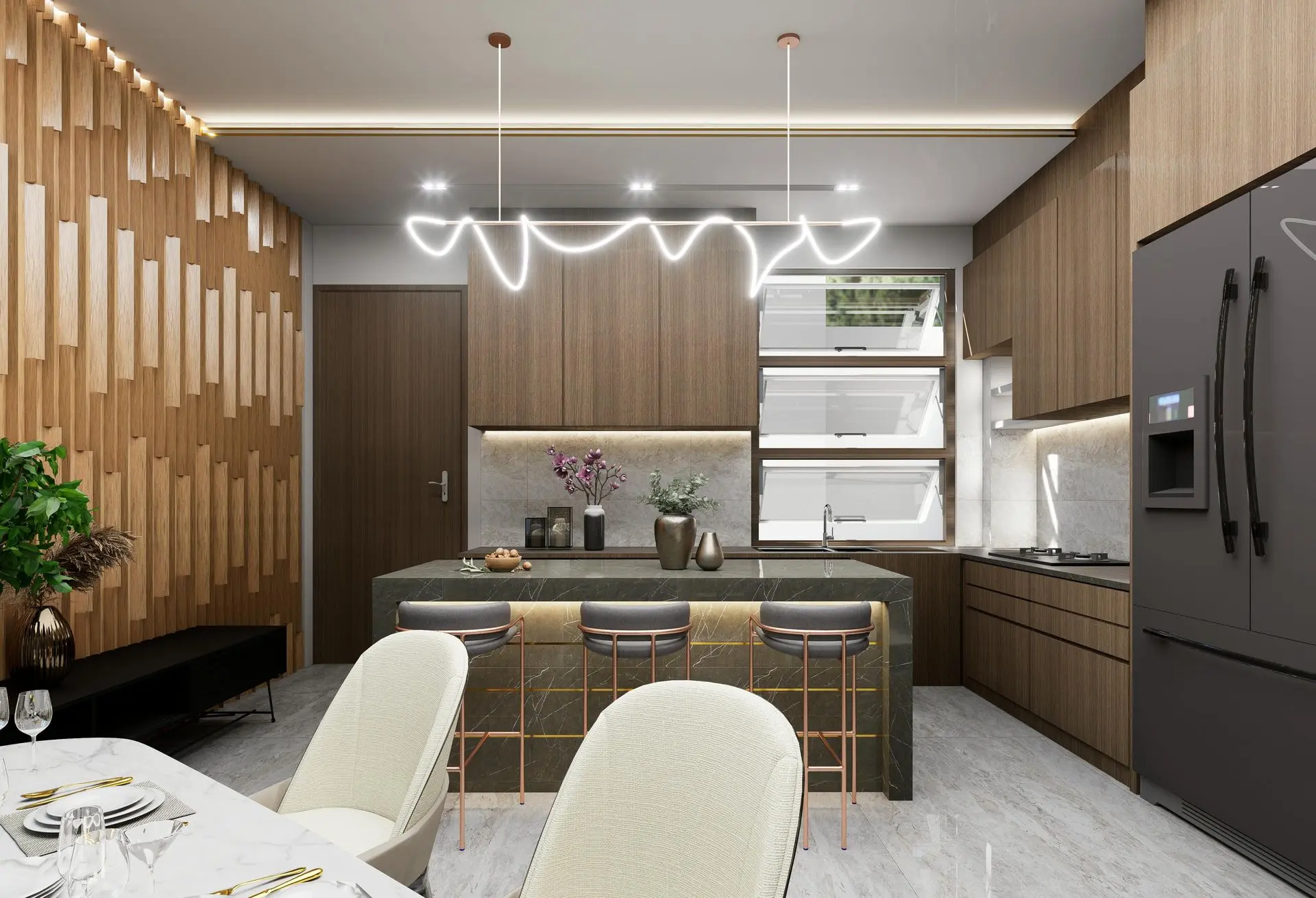
- Kitchen Cabinets: Luxury, customized cabinets, especially shaker or handleless.
- Storage Systems: In-built bookshelves, media centers, and pantry systems.
Commercial Architectural Millwork for Retail & Hospitality
They are practical, aimed at busy places of the population.
- Display Units: Retail custom shelving and customized retail cabinetry.
- POS Counters: Cashier (point of sale) counters.
- Hotel Room Casegoods: Wardrobes, desks, and headboards of hotel rooms.
Staircases & Handrails
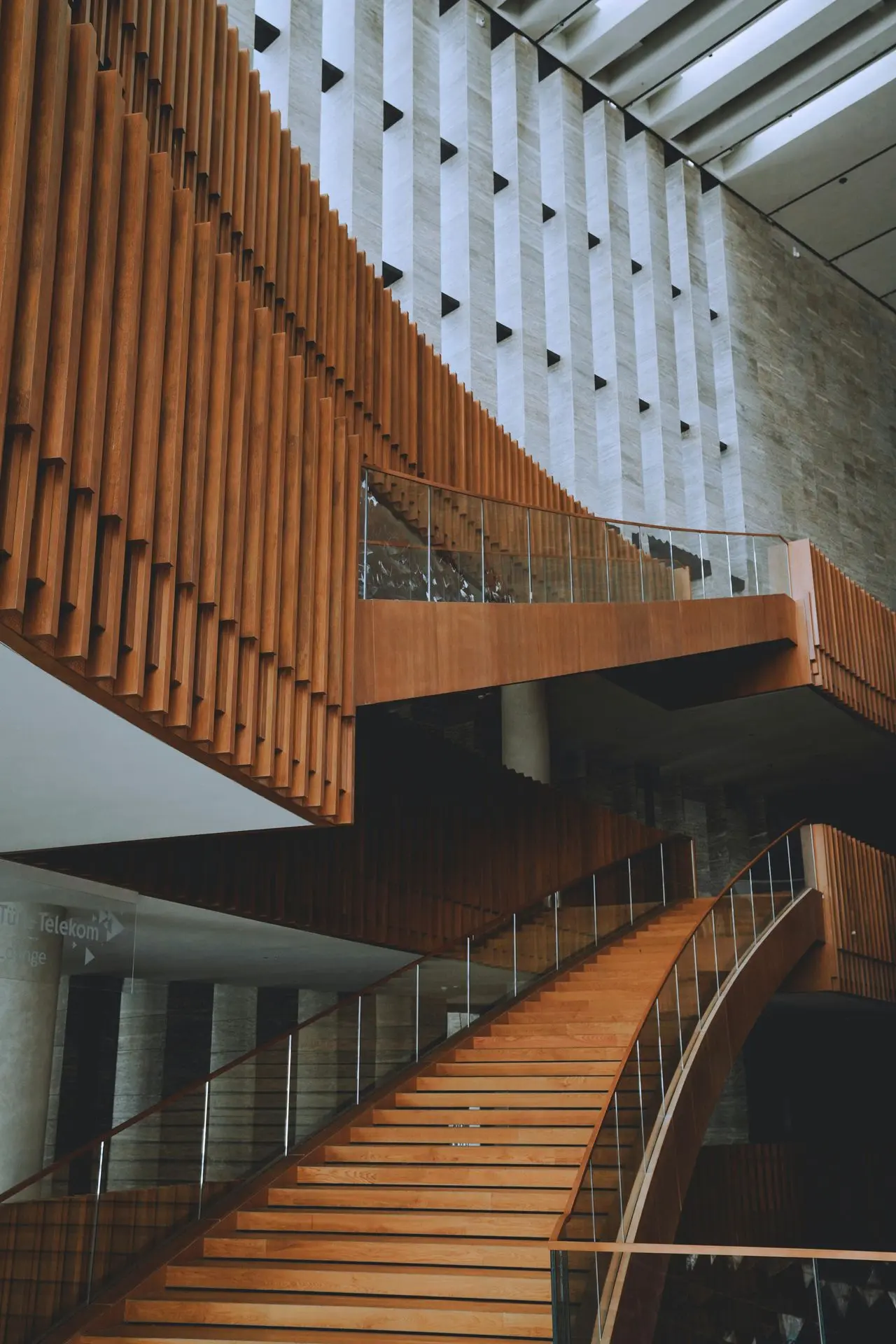
Millwork deals with the ornamental wood parts of a staircase that are complete.
- Wooden Stair Components: Stringers (sides), risers (vertical parts), and treads (steps).
- Balustrades: This is the complicated construction of spindles and posts.
- Decorative Rail Systems: The handrails may be carved out of solid wood or may have LED-lights incorporated within.
Architectural Millwork vs. Casework: What is the Difference?
Millwork and casework are used interchangeably in the industry, although there is a difference. This is something that can help you save a lot of money.
Feature | Architectural Millwork | Casework |
Definition | Customized all-built-in-the-space woodwork. | Cabinetry: Box-like, usually modular. |
Manufacturing | Bespoke: custom-made at a certain location. | Stock or semi-custom; it is an output of standard sizes in large quantities. |
Flexibility | Limitless. Any size, angle, material, or shape. | The manufacturer only has a standardized, or catalog, of sizes and options. |
Materials | High-end, usually luxury or specialty. | Normal materials (e.g., normal laminate). |
Cost | Higher (because of design, uniqueness of labor, and material). | Low to medium (because of economies of scale). |
Installation | Fastened and sealed up, the design was to be fixed. | They can be free-standing or can be easily detachable modular boxes. |
When to choose each? School classrooms or break rooms use casework, the objective of which is to save money. The architectural millwork can be used in the cases of lobbies, executive offices, and luxury homes where quality is the main factor.
Where Architectural Millwork Fits in Fit-Out Contracts
Millwork is an important trade in commercial and residential construction, yet the contract administration is different.
In Commercial Fit-Out Projects
The schedule of commercial projects is quick, and the millwork should be resilient.
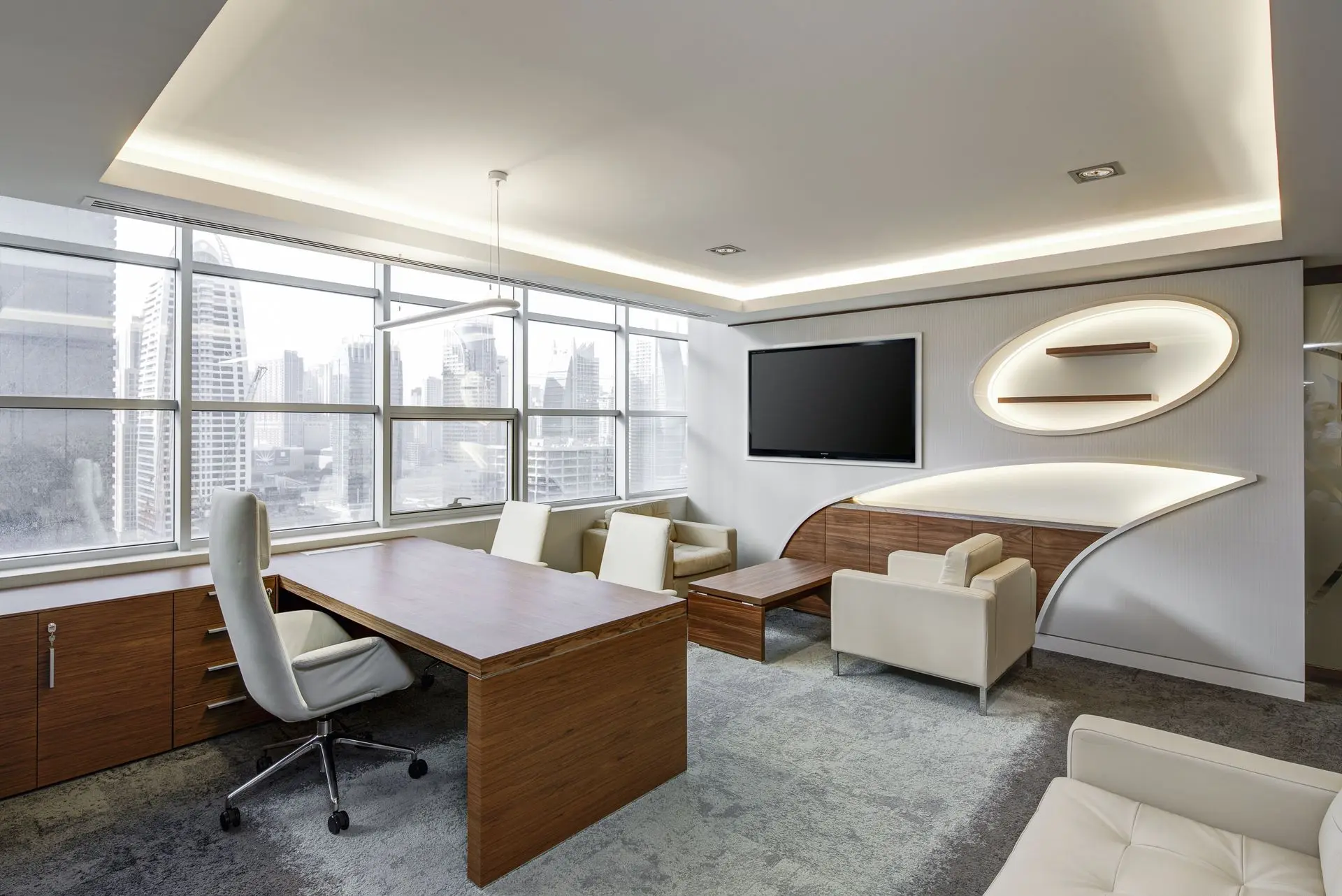
- Offices: Executive suites, boardrooms, reception suites, and feature walls.
- Retail Stores: Cashier counters, customized shelving, and feature displays.
- Hotels: Lobby panels, reception furniture, bar furniture, and hotel room furniture.
- Healthcare Facilities: Custom reception desks and special cabinets of hygienic standards.
In Residential Projects
Housing development is oriented to luxury, optimization, and individual style.
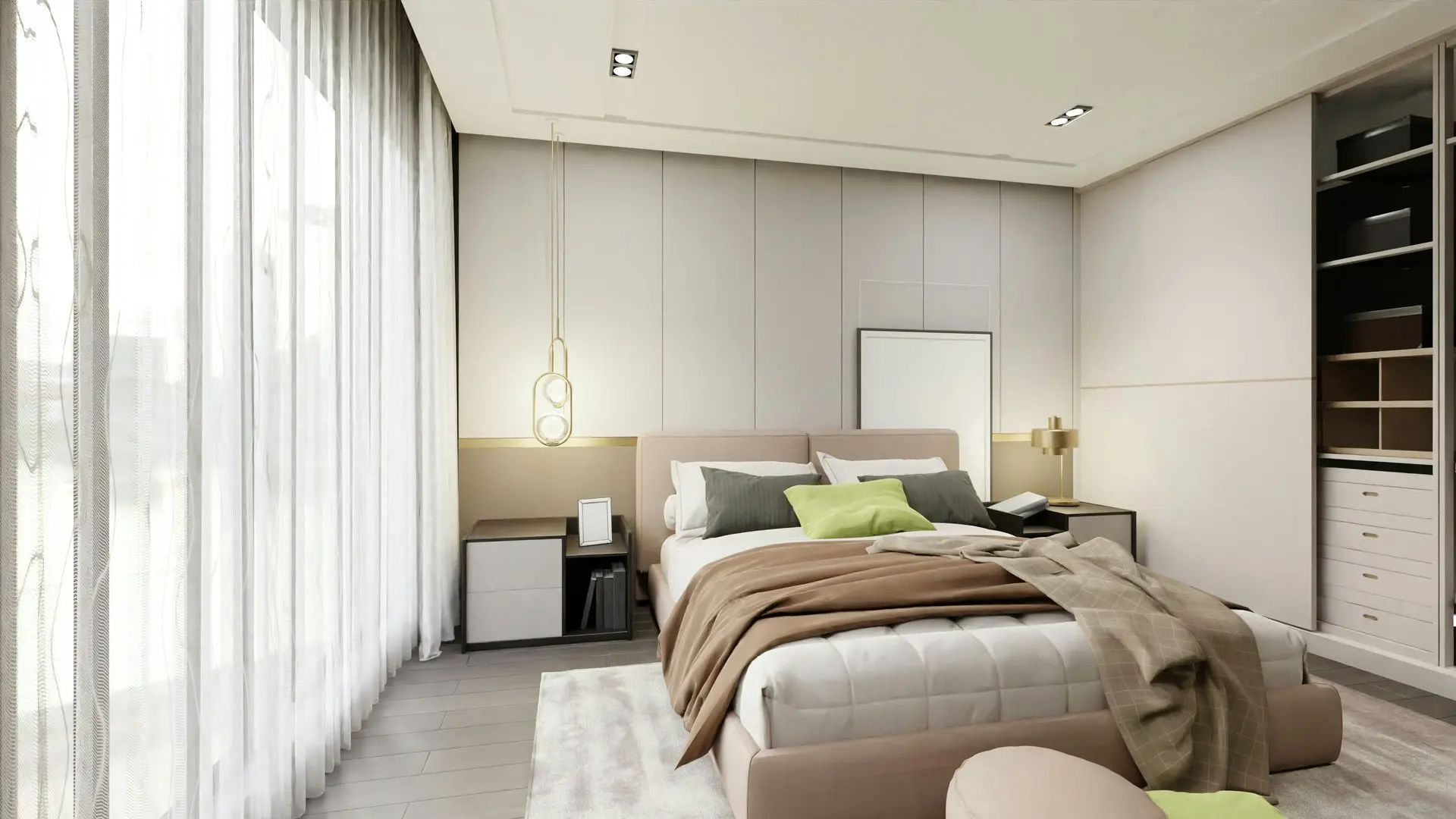
- Villas and Luxury Homes: Dressed kitchens, custom wardrobes, home theaters, paneling of libraries, and beautiful staircases.
- Apartments: Intelligent in-built storage systems to be used in small rooms.
Position in BOQ (Bill of Quantities)
Millwork is not named in a Bill of Quantities in the category "Carpentry" (meaning rough framing). It is available as either Interior Finishing Works or as a package of its own (e.g., Package 06: Joinery and Millwork).
Relationship with Other Trades
Millwork may not be installed separately. It should have close coordination with:
- Joinery: This trade is often similar, but the demarcation is loose.
- Gypsum Works: Gypsum walls should be perfectly straight and made strong enough to support heavy millwork.
- Metal Work: A lot of modern reception tables or shelves consist of a metal frame with woodwork.
- Glass Works: Glass backsplashes, mirrors in wardrobes, or glass shelves must be perfectly integrated.
Materials Used in Architectural Millwork
Although "mill" means wood, current millwork has an enormous range of materials.
- Solid Wood: The high-quality furniture, doors, stairs, and carvings (e.g., of Oak, Walnut, Mahogany) are of solid wood.
- Engineered Wood: The employees of millwork. The cores of cabinets and panels could be made of MDF and plywood.
- The veneers: These are thin pieces of actual wood (e.g., walnut veneer) bonded to a man-made core. This enables the appearance of costly wood to be at a reduced price and more sound.
- HPL and Laminates: Countertops or cheaper cabinetry, especially in a commercial environment, are made of durable synthetic sheets.
- Lacquer Finishes: The last type of protection. A mirror-like finish is provided by a high-gloss lacquer, whereas matte lacquer is extremely popular in 2026 because of its natural, sophisticated touch.
- Sustainable and FSC-Certified Materials: Commercial demand is increasing for the use of material certified by the Forest Stewardship Council (FSC) so that the wood source in question is harvested in a professionally managed forest.
Benefits of Architectural Millwork
- Customization: It is not necessary to trade off. We can construct it in case you desire a door in the back of a bookshelf.
- Premium Aesthetics: It appears costly since it is of high quality. It feels solid and smooth.
- Space Optimization: We are able to make a small corner a working desk. We don't waste a single inch.
- Durability: Custom millwork is constructed to serve decades, and not a couple of years.
Cost Factors
Why is one project going to be priced at $10,000, and another one at $100,000?
- Complexity: It takes four times as long to manufacture a curved wall panel in comparison to a flat panel.
- Wood species: Walnut is a more costly species than Oak.
- Finalizing: The high finish called High Gloss finish involves so many layers of sanding and painting and this increases the cost.
How to Choose the Right Contractor
Find a partner that has a large factory. In case they have just a small shop, they may not be able to complete a big project in good time. Inquire about their portfolio to determine whether they have done such assignments on luxury. Above all, they should supply shop drawings. Unless they draw it, they will not put it right.
Common Challenges
The greatest problem is the measurement of sites. When we construct a cabinet on a drawing, and the builder puts the wall in a wrong position, the cabinet will not fit. We avoid this by scanning the actual room with laser scanners to be able to know the real room prior to commencing on cutting wood.
Lead times are another challenge. You cannot get everything tomorrow because it is all custom. You must plan ahead.
Future Trends (2026 and Beyond)
We are living in the era of digital fabrication. And now we have 3D printers and 5-axis robots to cut shapes out of wood that appear to be flowing water. A massive transition to sustainable millwork is also being witnessed. People would like to be informed that their wood does not hurt the planet.
Lastly, Smart Integrated Furniture is massive—you can charge your phone by simply laying your phone on the kitchen counter.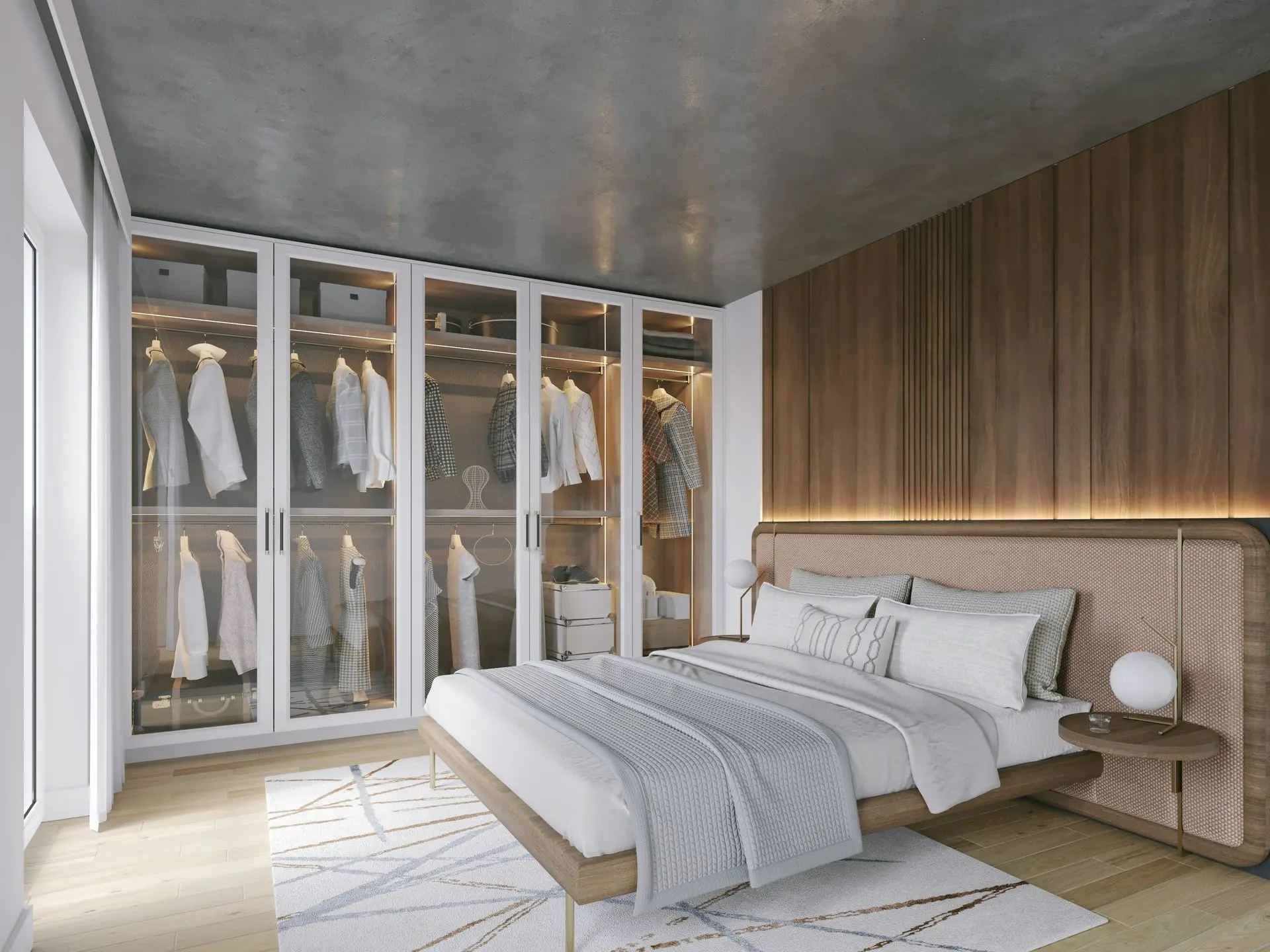
Final Thoughts: Experience Premium Architectural Millwork with Belosso
Architectural millwork is not merely woodwork. It is the ideal combination of art, engineering, and construction. It is the last detail that makes a building complete and luxurious. Millwork is where you should focus your attention, whether you are developing a huge hotel or a personal villa, to have a long-lasting impression.
At Belosso we pride ourselves on being masters of this art. We have state-of-the-art technology in our factory so that all the panels and all the cabinets will be a masterpiece. We do all the CAD drawings till the last stand on the site.
When you are undergoing a fit-out or renovation project that requires a high-quality, individual touch, we would like you to get in touch with us. We would be happy to share with you how our millwork solutions can be used to take your space to new heights. Contact us to find out how we can help you.
FAQs
1. What is the difference between joinery and millwork?
In most areas, they are synonymous. Nevertheless, millwork often denotes something that has been machined in a factory (such as moldings or panels), whereas joinery is often the method of attaching some components together (such as a dovetail joint in a drawer).
2. Can I use millwork in a kitchen?
Absolutely. Vast majority of high-end kitchens are fully architectural millwork. This will enable you to hide the appliances behind wood panels to create a clean appearance.
3. Does architectural millwork include metal or stone?
Modern millwork tends to have mixed materials. Our wood designs are often combined with LED lighting and stone tops and metal trim.
4. How do I maintain my millwork?
A moist piece of cloth is normally sufficient. The wood will not be affected by small spills and dust as we apply professional-grade lacquers.
5. Why is millwork listed separately in construction budgets?
Since it is a trade of specialty. The process demands other skills and equipment than general construction; it needs its own budget section to satisfy quality.