Every material is important when you are planning a commercial interior project. The material you use on cabinets, wall panels, reception desks, office furniture, or hotel joinery influences the appearance, functionality, and durability of the space. Wood veneer vs laminate are two of the most popular options. They both have their own advantages, but they are applicable to different budgets, design objectives, and settings.
Not knowing which one to use on your project, you are not alone. Before making a final decision, many architects, designers, contractors, and business owners compare veneer vs laminate. Although veneer has the advantage of natural wood beauty, laminate has a high level of durability and easy maintenance. The correct decision is based on the way you intend to utilize the space.
At Belosso, we help clients choose the best surface materials for commercial joinery projects. Our team collaborates with hotels, offices, retail outlets, restaurants, healthcare centers, and luxury residential developments to design bespoke millwork that balances aesthetics, durability, and long-term investments. In this guide, you will find out the main differences between veneer vs laminate in simple terms to be able to make a definite choice.
What Is Wood Veneer?
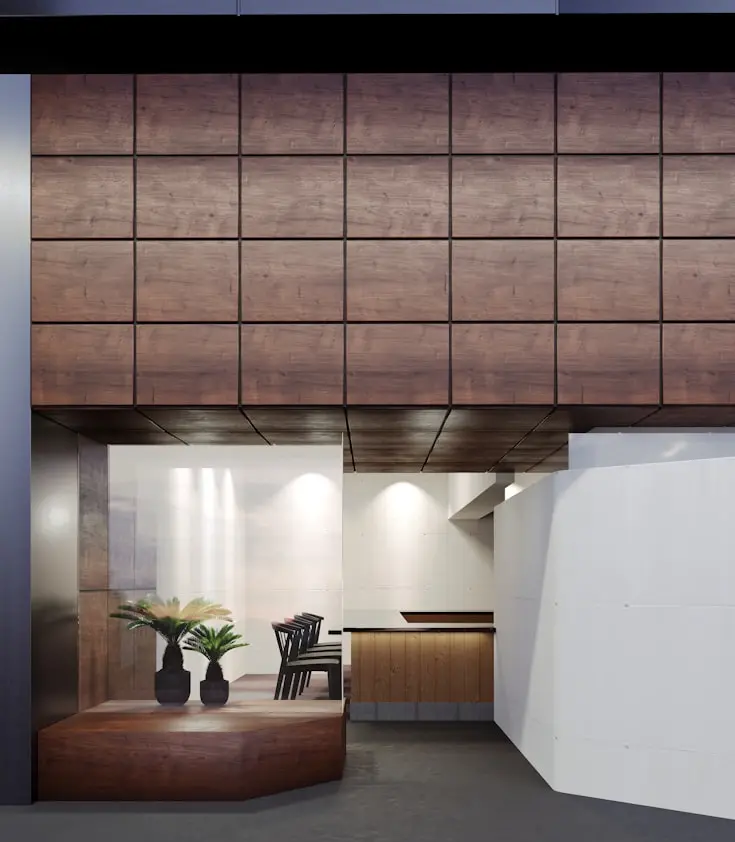
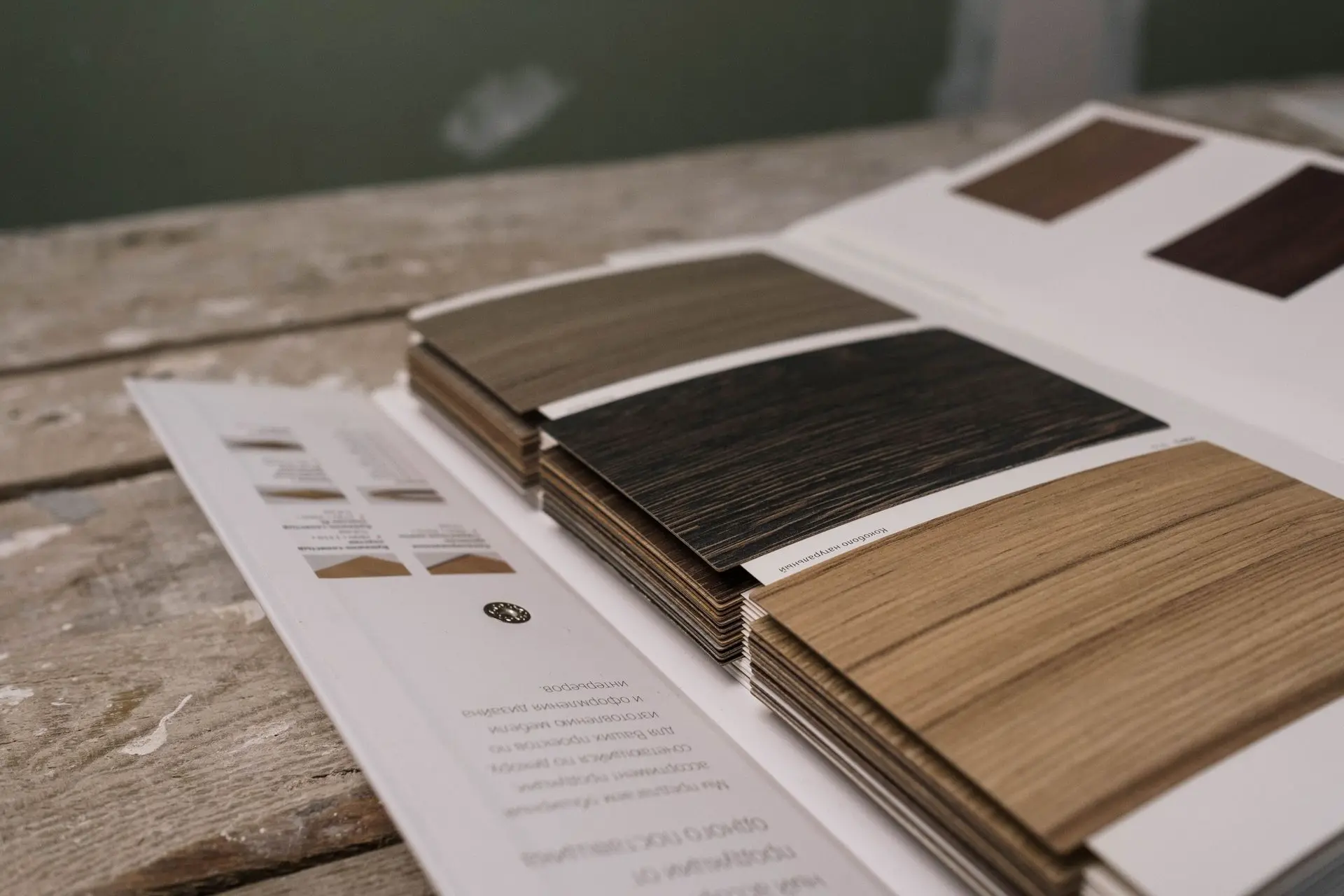
Wood veneer is a thin layer of actual wood bonded by manufacturers to a firm underlying material like plywood, MDF, or particleboard. The surface is made of natural timber, so each sheet has a different grain, texture, and color.
Rather than solid hardwood on the entire panel, veneer allows you to have the look of natural wood at a lower cost of material and makes more efficient use of valuable timber. If you're considering veneers from China it's important to understand the different wood species, veneer grades, and quality standards before selecting a supplier.
Veneer is frequently used in high-end hotels, executive offices, meeting rooms, custom furniture, and high-end retail outlets due to its ability to provide a warm and classy environment.
How Wood Veneer Is Made
Manufacturers begin with high quality logs. Then they cut or peeled off very thin sheets of the wood. These sheets are dried and graded, after which they are pressed on engineered wood panels with strong adhesives.
Lastly, they sand and apply stains, clear finishes, or protective finishes to enhance durability, yet retain the natural wood look.
Due to the different growth of trees, not two veneer sheets will be exactly the same. This natural variation has made veneer a trend in upscale commercial interiors.
Types of Wood Veneer
There are a number of veneer options, and each fulfills various design requirements.
Natural Veneer
Natural veneer is made directly of a natural wood species like oak, walnut, maple, ash, or teak.
Best for:
- Luxury hotels
- Executive offices
- Premium restaurants
- High-end retail spaces
Engineered Veneer
Engineered veneer involves natural wood, which is refined by manufacturers to produce uniform grain patterns and colors.
This alternative provides you with a consistent look in large commercial projects.
Best for:
- Office fit-outs
- Corporate headquarters
- Commercial furniture
Reconstituted Veneer
To replicate the high value hardwoods, manufacturers stain and recreate fast-growing wood species.
This is done to enhance sustainability, as well as provide uniform designs.
Best for:
- Large commercial developments
- Sustainable projects
- Modern interiors
Pros and Cons of Wood Veneer
Advantages of Wood Veneer | Limitations of Wood Veneer |
Real wood appearance | More expensive than laminate. |
Original patterns of natural grains. | Requires careful maintenance |
High-quality and luxurious finish. | Can scratch more easily |
Is able to add value to a space. | Needs protection from excessive moisture |
Can be found in a variety of wood species. | It takes artistry to install. |
More eco-friendly than solid wood. | May need to be refinished occasionally. |
What Is Laminate?
Laminate is a commercial decorative surface that is produced by bonding a number of paper and resin layers under high pressure and heat. The top layer is printed with realistic wood, stone, or solid-color designs by manufacturers, and then a protective coating is applied.
Laminate does not have a natural wood surface as veneer does. Nevertheless, modern production enables laminate to resemble natural wood closely but have superior resistance to scratches, stains, and moisture.
Laminate is favored by many commercial buildings due to its high performance in high-traffic areas.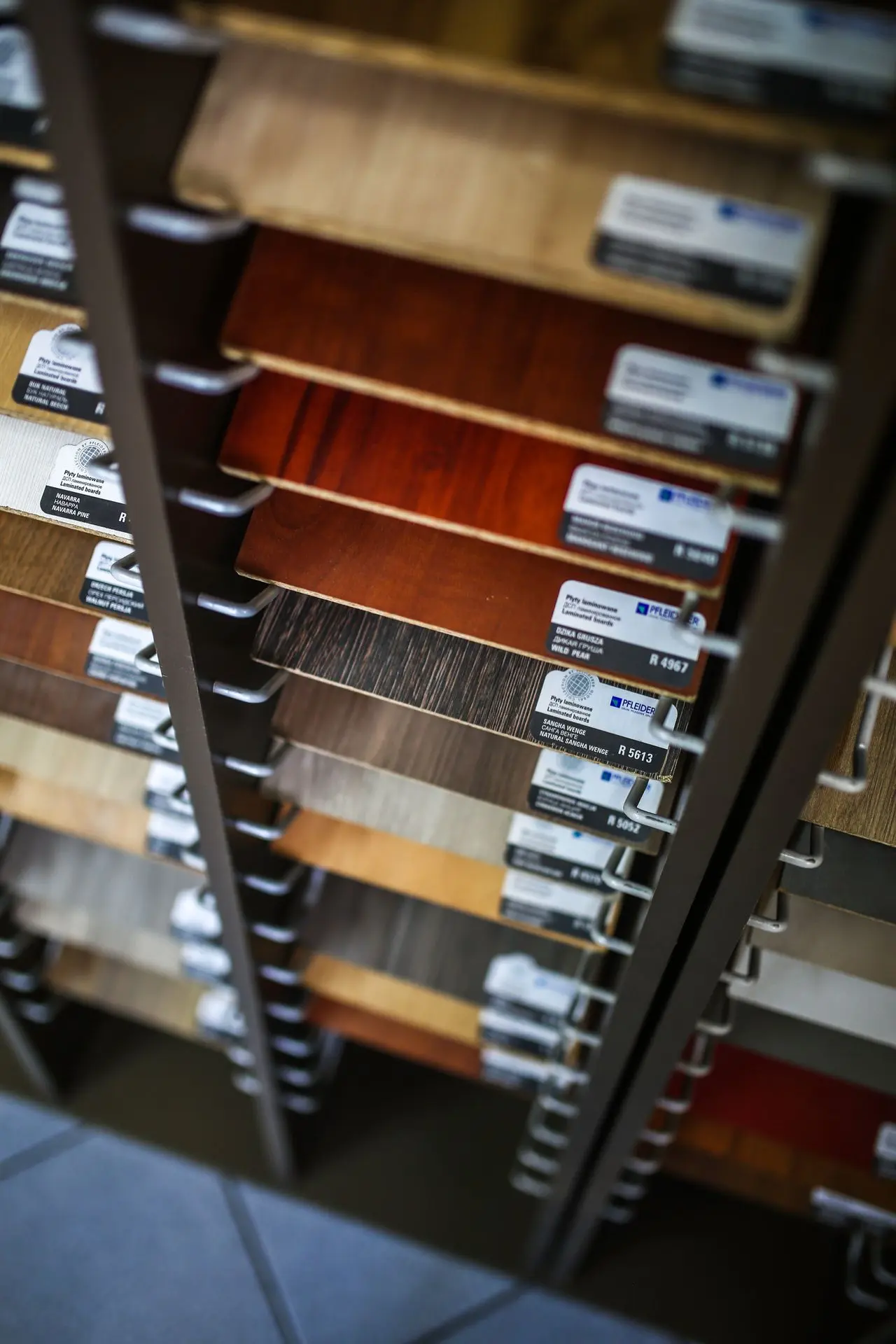
How Laminate Is Made
Manufacturers create many layers in a single tough sheet.
The layers typically consist of:
- Decorative printed paper
- Protective wear layer
- Resin layers
- Kraft paper backing
The pressure and heat form a hard surface that is not easily worn out in everyday use.
Laminate has been enhanced by the use of modern technology. Most high quality laminates are currently available with a textured surface that closely resembles actual wood grain.
Types of Laminate
High Pressure Laminate (HPL)
HPL has excellent resistance to harsh business conditions.
You can find HPL in:
- Hospitals
- Schools
- Hotels
- Office furniture
- Restaurants
Low-Pressure Laminate (LPL)
LPL offers a cost-effective alternative to light commercial.
It works well for:
- Office cabinets
- Shelving
- Storage units
Compact Laminate
Compact laminate has a solid core without needing a substrate panel.
It is very resistant to moisture.
Common applications include:
- Washroom partitions
- Laboratory furniture
- Healthcare facilities
- Commercial restrooms
Pros and Cons of Laminate
Advantages of Laminate | Limitations of Laminate |
Budget-friendly | Does not have the authenticity of real wood |
Excellent scratch resistance | Deep damage is normally irreparable. |
Easy to clean | Poor quality laminates can be unnatural. |
Moisture resistant | Not so appropriate in luxury interiors, which demand real wood. |
Comes in hundreds of colors and textures. | Cannot be refinished like wood veneer |
Performs well in high-traffic areas | Limited natural grain variation |
Requires very little maintenance | Might not offer the same quality feel as natural wood. |
Veneer vs Laminate: Key Differences at a Glance
It is much easier to compare the most significant characteristics of veneer vs laminate and choose between them.
Feature | Wood Veneer | Laminate |
Material | Real wood surface | Decorative manufactured surface |
Appearance | Natural and unique | Consistent and uniform |
Cost | Higher | Lower |
Realism | 100% real wood | High-quality imitation |
Scratch Resistance | Moderate | Excellent |
Moisture Resistance | Moderate | High |
Heat Resistance | Good | Very Good |
Maintenance | Moderate | Easy |
Repairability | Can be refinished frequently | Typically needs replacement if damaged |
Lifespan | Long (with due care) | Long (with little maintenance) |
Sustainability | Excellent when responsibly sourced | Depends on manufacturer |
Best For | Luxury commercial interiors | High-traffic commercial spaces |
Which One Should You Choose?
There is no single winner in the veneer vs laminate comparison. The right choice depends on your project, budget, and performance requirements.
Select veneer when you desire the natural appearance of natural wood and a high quality finish to make luxury interiors. Select laminate when you require a more durable, maintenance-free, and economical solution in crowded commercial areas.
- At Belosso, we suggest the appropriate material depending on your project design, budget, and performance requirements to have the best outcome.
Veneer vs Laminate Cost: Which Is More Cost-Effective?
A factor that is considered in any commercial project is the cost. Although laminate tends to be cheaper initially, the optimal value will be based on your budget, design objectives, and your long-term requirements.
Initial Material Cost
Laminate is relatively cheaper since the manufacturers make it in large quantities. It is suitable when there are numerous cabinets, wall panels, or furniture items.
Veneer is more expensive, as it is made out of real wood. High quality wood such as walnut tends to be costlier than oak or ash.
Installation Cost
Laminate is quicker to install, and this is helpful in cutting down labor expenses.
Veneer is more costly to install, as it needs a professional installation to fit the wood grain and give it a smooth surface.
Long-Term Maintenance Costs
Laminate needs very little maintenance and cleans easily with a soft cloth.
Occasionally, veneer needs to be refinished, although in many cases the surface can be repaired by a professional.
Which is More Valued?
Select laminate when you wish:
- Lower upfront costs
- Easy maintenance
- High-traffic performance
- High value on large projects.
Select a veneer when you desire:
- A premium appearance
- Natural wood grain
- Long-term design value
- Luxury commercial interiors
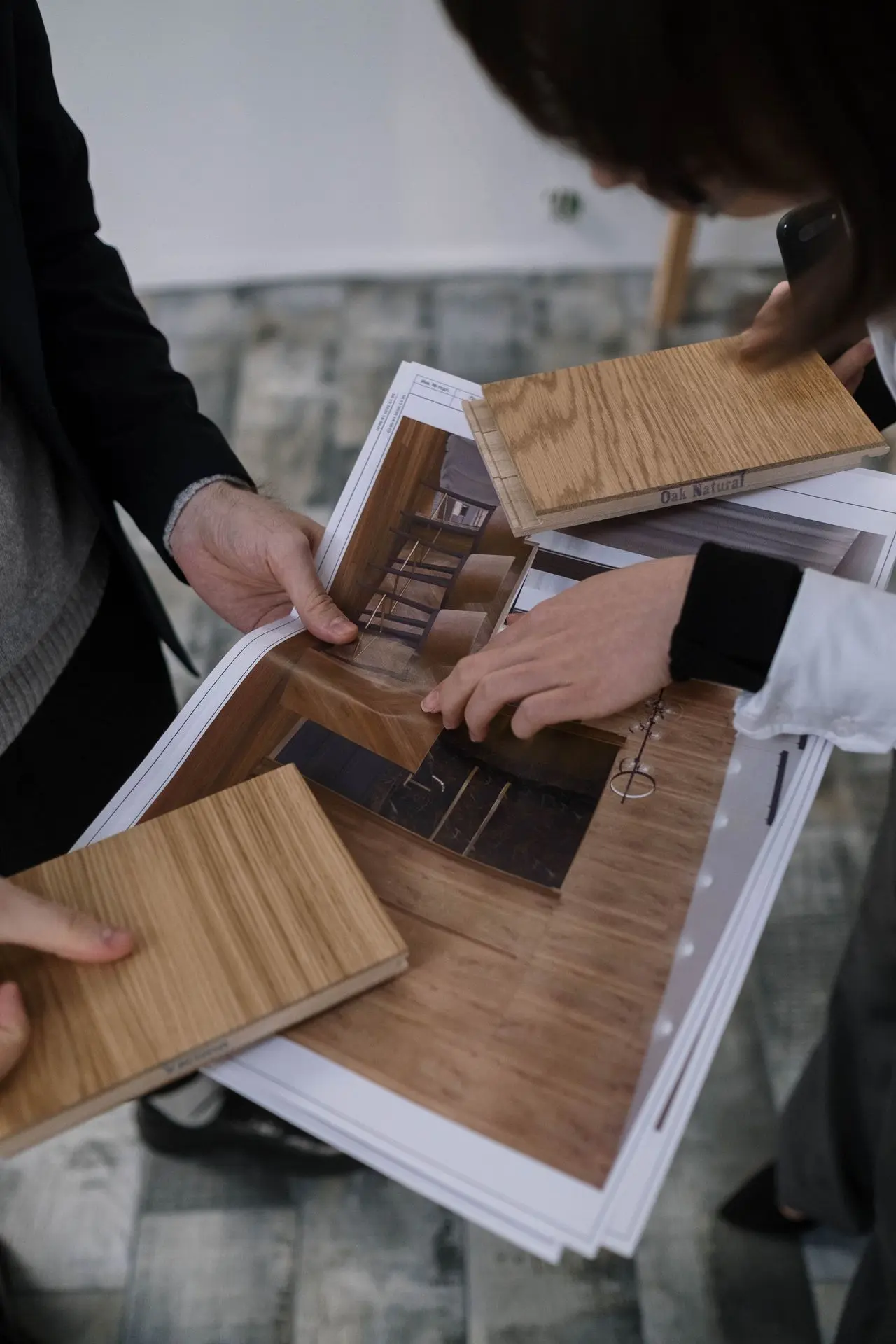
- Expert Tip: A lot of commercial projects use a combination of both materials. To balance both cost and style, designers will frequently use veneer in reception areas and executive offices and laminate in workstations and service areas.
Veneer vs Laminate Durability: Which Material Has a Longer Lifespan?
Durability is required in commercial joinery as it has to be able to withstand daily use. Although both materials have a lifespan of years, laminate works well in strenuous environments.
Scratch Resistance
Laminate is not easily scratched by everyday activities, and thus it is perfect in offices, schools and hospitals.
Veneer is very durable but easily scratched due to the real wood surface.
- Winner: Laminate
Impact Resistance
Laminate can be bumped and used more than veneer.
Veneer will dent when heavy things strike the surface.
- Winner: Laminate
Moisture Resistance
Laminate is waterproof and can thus be used in restaurants, medical centers, and other high-traffic areas.
Veneer is also light-moisture-tolerant but can be damaged when it is in contact with water over time.
- Winner: Laminate
Heat Resistance
The two materials can cope with normal indoor temperatures. Nevertheless, very hot objects should not be placed on either of the surfaces.
- Result: Nearly equal
Performance in High Traffic Areas
Laminate is more suitable in busy business premises since it is not easily scratched, stained, and cleaned.
Veneer is ideal in executive offices, hotel lobbies, and other places where looks are the most important.
Which Lasts Longer?
Laminate can be used to last 15-25 years with proper care, and premium veneer can last 20 years or more. The real-life expectancy is based on maintenance, quality of installation, and daily utilization.
Veneer vs Laminate Appearance: Which Looks More Realistic?
Appearance is often one of the biggest factors when choosing between veneer vs laminate. When you desire high quality commercial interior, the surface finish is as important as durability.
The Beauty of Natural Wood
Veneer is made of actual wood, thus each panel possesses distinct grain patterns and variations in natural colors. These details make a cozy, real appearance that is impossible to reproduce on printed surfaces.
Veneer is popular in luxury hotels, executive offices, and high-end retail stores, where it provides a rich and luxurious look.
Can Laminate Look Like Real Wood?
Yes. The current laminates have also become better and provide:
- Deep wood textures
- Embossed grain patterns
- Matte finishes
- Realistic wood colors
At a distance, premium laminate bears a lot of resemblance to natural wood. Nevertheless, veneer is more profound and natural.
Consistency Across Large Projects
Laminate offers a consistent look since all sheets appear alike. This is best suited to offices, hotels, and retail chains.
Veneer is a natural variation from sheet to sheet, and each project has its own character.
Which Surface Looks More Premium?
Veneer is still the choice when it comes to luxury commercial interiors. It features the beauty of natural handwork and classic beauty, whereas laminate is an appealing and convenient alternative to modern business premises.
Best Commercial Applications for Veneer
Wood veneer is the best when appearance is the most important.
Veneer will be commonly found in:
Executive Offices
Natural wood provides a professional and high-end working environment to executives and leaders of the company.
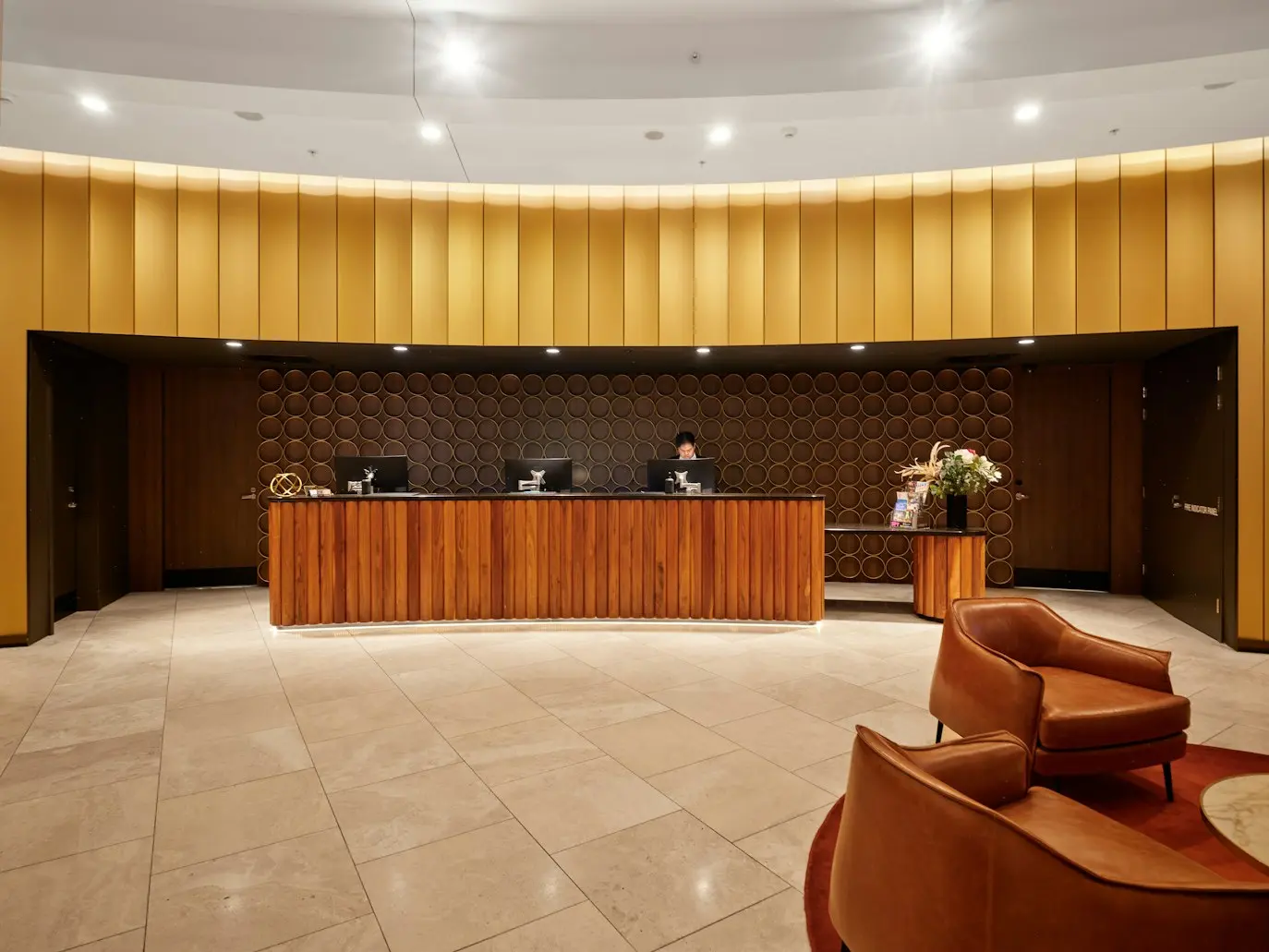
Hotel Reception Areas
The reception desk is the first impression of any hotel.
The veneer will provide warmth and elegance that guests will not fail to notice.
Luxury Retail Stores
Veneer is commonly used to provide a luxury shopping experience in high-end fashion brands and jewelry shops.
Conference Rooms
Natural wood tables, cabinets, and wall panels have a sophisticated look that is favored in boardrooms.
Corporate Lobbies
Veneer is often used by architects to make office doorways inviting and glamorous.
Best Commercial Applications for Laminate
Laminate is the most suitable where durability and ease of maintenance are paramount.
Office Workstations
Desks are used by employees on a daily basis. Laminate prevents scratches, stains, and daily wear.
Educational Facilities
Schools and universities require furniture that can withstand heavy daily use with minimal maintenance.
Healthcare Facilities
Clinics and hospitals need easy-to-clean and easy-to-maintain surfaces.
Restaurants and Cafes
Tables, counters, and cabinets are subject to regular spills and cleaning.
Laminate offers great resistance in such environments.
Retail Stores
Display counters, shelving, and checkout areas benefit from laminate's durability.
Shopping Malls
Common areas are under constant pedestrian traffic.
Laminate assists the commercial interiors to have a fresh look over years.
We do not think that one material can be used in all projects at Belosso. We cautiously consider your design vision, budget, traffic, and maintenance requirements and suggest the appropriate solution. Our bespoke commercial joinery is a blend of high craftsmanship and sensible material choice to create interiors that appear beautiful and work well over the years.
Maintenance Requirements: Veneer vs Laminate
Another factor of consideration in selecting a surface material is maintenance. Commercial joinery can be maintained and preserved through proper care to be attractive and long-lasting.
The positive aspect is that veneer vs laminate are both easy to maintain.
How to Maintain Wood Veneer
Since veneer possesses a real wood surface, it needs a bit of additional attention.
To keep it looking its best:
- Clean with a soft microfiber cloth.
- Clean spills immediately.
- Use a mild wood cleaner.
- Do not use too much heat and moisture.
- Use coasters or desk pads to protect surfaces.
A significant benefit of veneer is that the professionals can frequently refinish small scratches rather than change the panel.
How to Maintain Laminate
Laminate is one of the easiest commercial surfaces to clean.
For best results:
- Cleanse with a towel.
- Clean spills quickly.
- Avoid abrasive cleaners.
- Clean with gentle cleaning products.
Laminate does not need polishing or refinishing and therefore is a great option in busy commercial settings.
Which Is Easier to Maintain?
Laminate is less maintenance and suitable in high-traffic areas. Veneer requires a little bit of attention yet pays you with the beauty of wood.
Sustainability: Veneer vs Laminate
Environmentally friendly materials are becoming the favorite of many businesses. Fortunately, the veneer and laminate can be sustainable when they are obtained with responsible manufacturers.
Wood Veneer: Is it Sustainable?
Yes. Veneer involves a layer of genuine wood, which enables manufacturers to make more panels out of a log than solid wood.
Sustainable forestry is also achieved by the selection of responsibly sourced veneer.
Is Laminate Sustainable?
Most contemporary laminates comprise:
- Recycled materials
- Low-VOC adhesives
- Low-emission manufacturing
- Durable surfaces that minimize wastage.
Such advancements make laminate a more sustainable option than some individuals would think.
Which Option Is More Eco-Friendly?
Sustainable commercial projects can be supported by both materials.
Veneer provides the natural beauty of the real wood at an efficient use of timber, whereas laminate has durability that minimizes replacement with time.
We choose quality materials at Belosso that are performance-based, sustainable and value-based in the long run for every commercial joinery project.
How to Choose Between Veneer and Laminate for Commercial Joinery
The decision between veneer vs laminate is based on the budget of your project, the design objectives, and the daily use. Both materials have their advantages, and therefore, the correct decision is based on your priorities.
Select Veneer Where You Like:
- A high-quality, natural wood look.
- Hotel or office interiors (luxury).
- High-end retail spaces
- Custom furniture
- Long-term design value
Select Laminate When You Like:
- Better scratch resistance
- Easy maintenance
- Lower project costs
- Consistent finishes
- High-traffic commercial spaces
Consider These Factors
Before making your decision, ask yourself:
- How much money do you have?
- What is the amount of daily wear on the surface?
- Would you like a natural or uniform finish?
- What is the significance of easy maintenance?
- Will the location be regularly exposed to moisture?
- Hack: Both materials are used in many commercial projects. Veneer can be used in reception areas and executive offices, whereas laminate can be used in workstations and service areas.
Why Choose Belosso for Commercial Joinery Solutions?
We learn at Belosso that each business venture is unique. This is why we will suggest materials depending on your design, budget and performance requirements.
Our custom joinery solutions comprise:
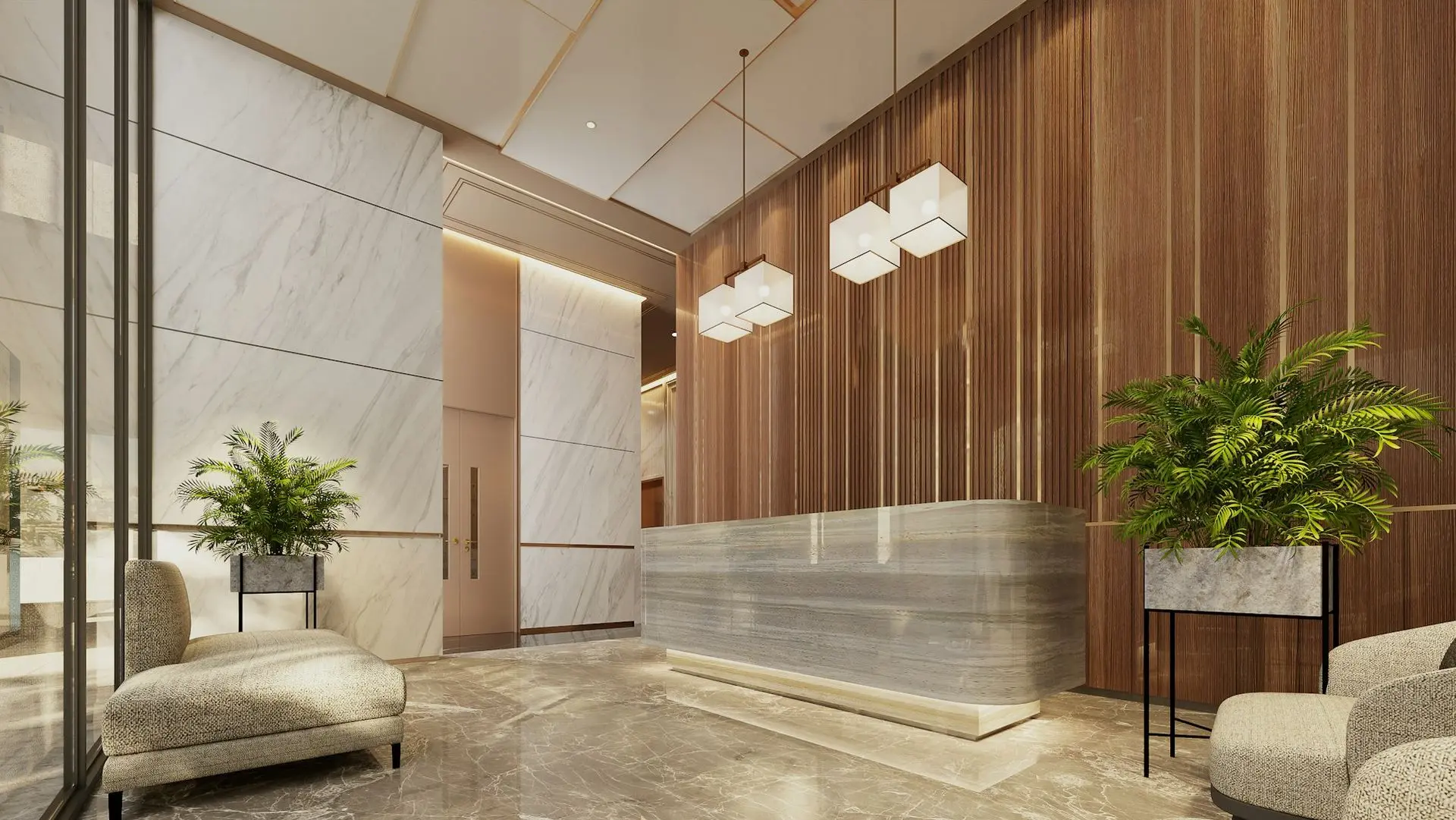
- Reception desks
- Office furniture
- Hotel joinery
- Retail display units
- Wall panels
- Cabinets and storage
- Bespoke millwork
Our team is very keen on choosing the appropriate mix of veneer and laminate to produce commercial interiors that are appealing, durable, and sustainable.
Conclusion: Veneer vs Laminate—Which Surface Is Right for Your Commercial Project?
The decision between veneer vs laminate is a question of priorities in your project. Veneer is more natural, beautiful, and elegant with real wood, whereas laminate is more durable, easy to maintain, and less expensive to perform in busy commercial areas.
We assist architects, designers, developers and business owners in selecting the appropriate materials to use on all commercial joinery projects at Belosso. Premium veneer, tough laminate, or both, we provide a range of custom joinery options that fit your vision and budget. Today, contact us and talk about your project and leave your commercial interiors to our team, who will design them in a way that is both stylish and durable and will be valuable in the long run.
Frequently Asked Questions
Is veneer better than laminate?
There is no better one to use in all projects. Veneer is as beautiful as real wood, whereas laminate is more durable and easier to maintain. The most appropriate option is based on your budget and usage.
Is laminate more durable than veneer?
Yes. Laminate is usually more resistant to scratches, stains, and moisture and is therefore suitable in high-traffic commercial locations.
Which is more expensive, veneer or laminate?
Wood veneer is generally more expensive, as it involves actual timber and installation needs to be done by experienced personnel. Laminate is generally the cheaper one.
Can wood veneer be repaired?
Yes. Scratches and other surface damage can be repaired or refinished by professionals in minor cases, and this can help to prolong the life of the material.
Is laminate waterproof?
The majority of laminates are very moisture resistant, but not waterproof. Even with long-term exposure to standing water, the substrate under the laminate may be damaged.
Which material lasts longer?
When both materials are installed properly and are maintained, they can last many years. The real life expectancy is based on the environment and usage.
Which is better for office furniture?
Laminate is suitable for workstations and common office furniture since it is used on a heavy daily basis. Veneer is used in executive offices and board rooms where looks are more of a factor.
Can laminate look like real wood?
Yes. The contemporary high quality laminates have a realistic wood feel and printed grain designs resembling natural timber.
Which surface is best for hotels?
The two materials are used by many hotels. Veneer is used in lobbies, guest rooms, and executive areas to produce a classy appearance, and laminate is used in the back-of-house and high-traffic areas.
What is the best material for commercial joinery?
It relies on your project design, budget and performance requirements. Most commercial interiors are most successful when veneer and laminate are used together.