Nowadays, people are more concerned about the way furniture is produced rather than its appearance. They are interested in knowing the origin of the wood used, whether the materials used are safe or not, and the impact of the furniture on the environment. This increased consciousness has rendered sustainable millwork a significant aspect of contemporary furniture production.
At Belosso, we believe beautiful furniture should also be responsibly made. This is why we work with FSC-certified wood, recycled boards, and low-VOC finishes to make high-quality bespoke furniture. The materials are environmentally protective and offer the durability and craftsmanship our clients desire.
This guide will teach you the meaning of sustainable millwork, its importance, and how to ensure you buy furniture that is manufactured using environmentally friendly materials.
What Is Sustainable Millwork?
Defining Sustainable Millwork
The process of creating custom furniture and wood products with materials that are sourced in a responsible manner and have a reduced environmental impact is called sustainable millwork. It is aimed at minimizing waste, preserving forests, and developing healthier interiors.
Sustainable millwork takes into account all the steps of the production process, including the choice of raw materials and the final finish. The mission is to make furniture that is long lasting, beautiful and eco-friendly.
Sustainable vs. Conventional Millwork
Conventional millwork is usually concerned with minimizing production costs and project completion time. The origin of the wood and the effect on the environment might not necessarily be taken into consideration.
Sustainable millwork is different. It employs certified wood, recycled materials and safer finishes to minimize waste and promote responsible manufacturing.
Factor | Conventional Millwork | Sustainable Millwork |
Wood Source | May not be verified | FSC-certified wood |
Waste Management | More waste goes to landfills | Uses recycled materials whenever possible |
Finishes | High-VOC paints and coatings | Low-VOC or zero-VOC finishes |
Indoor Air Quality | Can release harmful chemicals | Better indoor air quality |
Long-Term Value | Lower upfront cost | Improved longevity and cost-effectiveness. |
Why Sustainable Millwork Matters
The furniture industry consumes a lot of wood annually. When forests are not well managed, then there is a risk of deforestation and destruction of the environment.
Sustainable millwork will minimize this impact. It promotes sustainable forestry, less waste, and safer materials used by manufacturers. It also assists in producing furniture that is not thrown away after a few years but is constructed to last.
According to the Food and Agriculture Organization (FAO), the world loses around 10 million hectares of forest every year. Choosing FSC-certified wood is one of the most effective ways to support sustainable wood sourcing, helping protect forests, preserve biodiversity, and safeguard natural resources for future generations.
The Environmental Impact of Traditional Furniture Manufacturing
Deforestation and Loss of Natural Resources
One of the most significant materials in the manufacture of furniture is wood. In the case of forests, which are not managed in a responsible manner, huge quantities of trees can be felled without appropriate replacement.
This may destroy the habitats of wildlife, decrease the biodiversity, and cause climate change. Using FSC-certified wood assists in forest protection, as it is a way to make sure that forests are managed properly.
Furniture Waste in Landfills
Millions of old furniture pieces are disposed of every year. Most of them have materials that are not easily recyclable due to low quality boards, hard adhesives, or chemical finishes.
Furniture waste is becoming a bigger environmental challenge. According to the U.S. Environmental Protection Agency (EPA), more than 12 million tons of furniture and furnishings waste are generated every year in the United States. Using recycled boards helps reduce landfill waste and makes better use of existing wood materials.
Recycled boards can be used to minimize this issue. Manufacturers can use wood waste to produce new furniture instead of taking it to landfills.
This conserves natural resources and minimizes the wastes that are generated during production.
Harmful Chemicals in Traditional Finishes
Most of the traditional paints, stains, and sealants have high concentrations of volatile organic compounds (VOCs). The chemicals would still evaporate into the air even after the furniture is installed.
Extensive concentrations of VOCs decrease indoor air quality and can lead to headaches, eye irritation, or respiratory discomfort in certain individuals.
This is why most furniture manufacturers are now opting to use low-VOC finishes that are less harmful to homes, offices, hotels, schools, and health care institutions.
FSC-Certified Wood: The Foundation of Sustainable Millwork
What Is FSC Certification?
FSC is an abbreviated version of Forest Stewardship Council. It is an internationally recognized organization that promotes responsible forest management around the world.
FSC certification on wood implies that the wood originated in forests that are responsibly managed. These forests help in preserving wildlife, benefit the local people, and make sure that when trees are cut, they are replenished.
Using FSC-certified wood will enable customers to be assured that the materials used were obtained in an ethical and legal manner.
Today, FSC certification covers more than 160 million hectares of forests across over 90 countries. This makes it one of the world's most trusted certification systems for responsible forest management.
How FSC Supports Responsible Forestry
FSC-certified forests are subject to stringent environmental and social principles.
These forests:
- Conserve nature and animals.
- Replant trees that have been harvested by means of responsible forest management.
- Prevent illegal logging.
- Conserve water resources and rivers.
- Empower local communities and employees.
Since each process is closely tracked, manufacturers are able to track certified wood along the supply chain.
Common FSC-Certified Wood Species
FSC-certified hardwoods and softwoods include many popular hardwoods and softwoods, such as:
- Oak
- Walnut
- Pine
- Maple
- Ash
- Teak
These wood species are commonly employed in custom furniture since they provide good strength, durability, and beautiful natural grain designs.
Benefits of FSC Wood
There are a number of benefits of using FSC-certified wood.
- Responsible Sourcing: The wood is sourced in forests that are managed as per the stringent environmental requirements.
- High Quality: Strong and durable timber is produced by healthy forests and is used in custom furniture.
- Traceability: Certified wood is trackable along the supply chain, providing customers with more confidence in its source.
- Long-Term Sustainability: Responsible forestry is the way to save forests for future generations and minimize the impact on the environment.
How to Verify FSC Certification
A good furniture manufacturer must be in a position to present evidence that the wood is FSC-certified.
You can look for:
- The official FSC logo.
- A certification number or FSC license.
- Documentation showing the source of the timber.
In case the supplier is unable to provide them, it is better to ask other questions before ordering.
The Role of Recycled Boards in Eco-Friendly Furniture
What Are Recycled Boards?
Recycled boards are wood panels produced using reclaimed wood fibers, sawdust, wood chips, and scraps of wood. Manufacturers do not cut new trees but use these materials to create robust and durable boards.
Such boards assist in minimizing waste of wood as well as utilizing the available resources better. Modern sustainable millwork commonly uses them due to their good performance and their ability to promote environmentally friendly manufacturing.
Types of Recycled Boards
Recycled boards are available in several types to be used in bespoke furniture production.
Reclaimed Solid Wood
Reclaimed wood is used in old buildings, furniture, or other wooden structures. It is washed, processed and re-used to make new furniture that has a distinct natural look.
Recycled MDF
Recycled wood fibers can be used to produce medium-density fiberboard (MDF). Advances in MDF recycling have made it possible to recover wood fibers from used panels and manufacturing waste, creating new boards that offer a smooth finish and are widely used for cabinets, wardrobes, and custom furniture.
Recycled Particleboard
Particleboard is made by pressing wood particles that have been recycled into a compressed state with the use of adhesives. It can be used in most interior furniture applications and is affordable.
Benefits of Using Recycled Boards
Recycled boards have numerous environmental and practical advantages.
- Reduce Tree Cutting: Recycled wood will reduce the need to use fresh timber, which contributes to responsible forest management.
- Reduce Waste: The waste wood that would otherwise be disposed of in landfills can be converted into useful furniture materials.
- Save Natural Resources: Reusing wood means that less raw material is needed compared to making new boards using newly cut trees.
- Lower Environmental Impact: Most of the recycled boards use less energy and fewer natural resources in their production.
Are Recycled Boards Durable?
Yes. Recycled boards that are manufactured today are of industry quality and can be used in most furniture applications.
They can be sliced, molded and polished like normal engineered wood products. Recycled boards, when coupled with good manufacturing methods, give superior strength and durability.
It has been successfully used to manufacture many custom cabinets, wardrobes, office furniture, and hotel furniture using recycled boards.
Common Misconceptions About Recycled Boards
There are those who feel that recycled materials are weak or of low quality. This is no longer the case.
The current technology in manufacturing enables the recycled board to offer high quality, smooth finishes, and good durability. They can be used in numerous projects and can be as effective as conventional engineered wood products.
Reclaimed wood also provides gorgeous natural textures and grain patterns that make each piece of furniture unique.
Low-VOC Finishes: A Healthier Choice for Furniture
What Are VOCs?
VOCs, or Volatile Organic Compounds, are chemicals present in most paints, stains, adhesives and sealants.
When the furniture is produced, these chemicals gradually escape to the air. This is known as off-gassing.
VCs are often the cause of the strong smell that new furnishings often emit.
Why High-VOC Finishes Can Be a Problem
High-VOC products used in furniture finishing could take weeks or months to dissipate the harmful chemicals into the indoor space.
The presence of high levels of VOCs can impact the indoor air quality and can lead to:
- Headaches
- Eye irritation
- Throat irritation
- Unpleasant odors
- Inhalation pain for sensitive people.
Children, the elderly, and individuals with allergies or respiratory illnesses tend to be affected more.
The U.S. Environmental Protection Agency (EPA) states that indoor air can sometimes be 2 to 5 times more polluted than outdoor air. Choosing low-VOC finishes helps reduce harmful emissions and creates a healthier indoor environment.
Benefits of Low-VOC Finishes
Low-VOC paints, stains and sealants emit significantly fewer harmful chemicals into the air.
They have numerous benefits, such as:
- Improved IAQ.
- Reduced chemical odors
- Healthier homes and workplaces.
- Safer manufacturing conditions for workers
- Increased assistance to sustainable building projects.
Low-VOC finishes also offer great protection to wood and still look beautiful.
Why Low-VOC Finishes Matter in Sustainable Millwork
Using low-VOC finishes is an important part of sustainable millwork.
Cleaner indoor air provides a healthier environment to all, whether you are furnishing a home, hotel, office, restaurant or healthcare facility.
The use of low-VOC materials in construction and interior projects is also encouraged or mandated by many green building programs, such as LEED certification.
How to Identify Low-VOC Products
When selecting furniture or a manufacturer, inquire about their finishes.
Reliable manufacturers should be able to provide information about:
- VOC content
- Product certifications
- Safety data sheets
- Environmental compliance
Another way to find reliable certifications is to search GREENGUARD or Green Seal, which denote that the products are of high quality in terms of indoor air quality.
The use of certified low-VOC finishes will provide you with more confidence that your furniture is safe and environmentally friendly.
How Belosso Delivers Sustainable Millwork
Our Commitment to Responsible Materials
Sustainability is included in all the projects we do at Belosso. To produce our custom furniture, we select FSC-certified wood, recycled boards, and low-VOC finishes to create beautiful and environmentally friendly furniture.
We can assist our clients to develop interiors that are conducive to sustainability without sacrificing design or performance by using quality materials that are purchased through our reliable suppliers.
Combining Craftsmanship with Sustainability
The sustainable materials do not imply compromising on quality or style.
Our skilled artisans blend the ancient art of woodworking with the current technology of manufacturing to create custom furniture that is strong, functional, and attractive.
Each work is created with a focus on detailing so that it can be of high quality.
Working with Trusted Suppliers
The quality of furniture starts with the quality of its materials.
This is the reason why we collaborate with suppliers of certified wood, environmental friendly boards, and low-VOC finishing products. Our supply chain is carefully checked to make sure that all materials are sustainable for our needs.
Before selecting a supplier, we review material certifications, product quality, and manufacturing standards. This helps us maintain consistent quality while supporting responsible sourcing practices.
Quality Control at Every Stage
All projects undergo a thorough quality check prior to production and delivery.
Our team checks:
- Quality and consistency of wood.
- FSC certification as necessary.
- Recycled board performance
- Surface finishing quality
- Low-VOC material compliance
- Overall craftsmanship and durability
This quality control process aids us in providing furniture that is in line with the environmental and customer expectations.
Benefits of Choosing Sustainable Millwork
Sustainable millwork will benefit not only the environment but your project as well.
Supports Environmental Protection
Wood and other materials are sourced responsibly and recycled to decrease deforestation, save natural resources, and decrease manufacturing waste.
Creates Healthier Indoor Spaces
Low-VOC finishes enhance indoor air quality through decreased levels of harmful chemical emissions, which makes homes and commercial spaces healthier.
Long-Lasting Performance
Furniture is made of high-quality materials, and with skilled hands, it will be strong and appealing over many years.
Supports Responsible Manufacturing
Partnering with sustainable manufacturers promotes ethical sourcing and sustainable production practices across the supply chain.
Adds Long-Term Value
Sustainable furniture is now in demand by many businesses, developers, and homeowners due to its ability to demonstrate the current values of environmental sustainability and the ability to add value to a property.
Where Sustainable Millwork Is Used
Custom Cabinets and Storage Solutions
Kitchen cabinets, wardrobes, bathroom vanities, shelving units, and built-in storage are all commonly made of sustainable materials. These products are durable and contribute to environmentally friendly building.
Custom Tables, Desks, and Seating
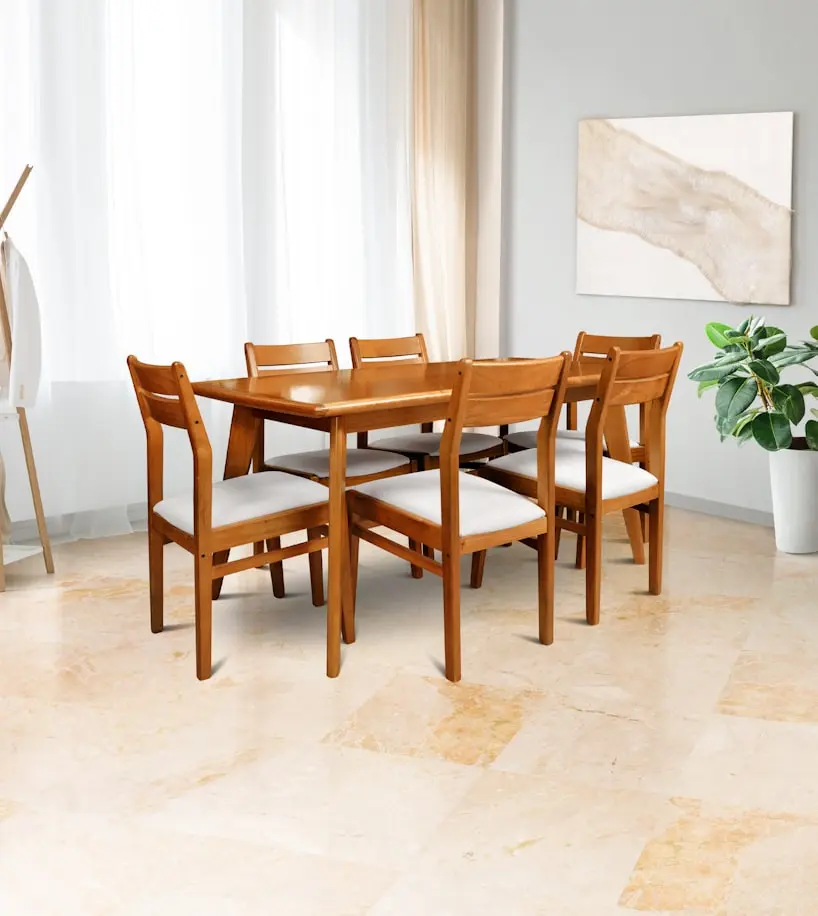
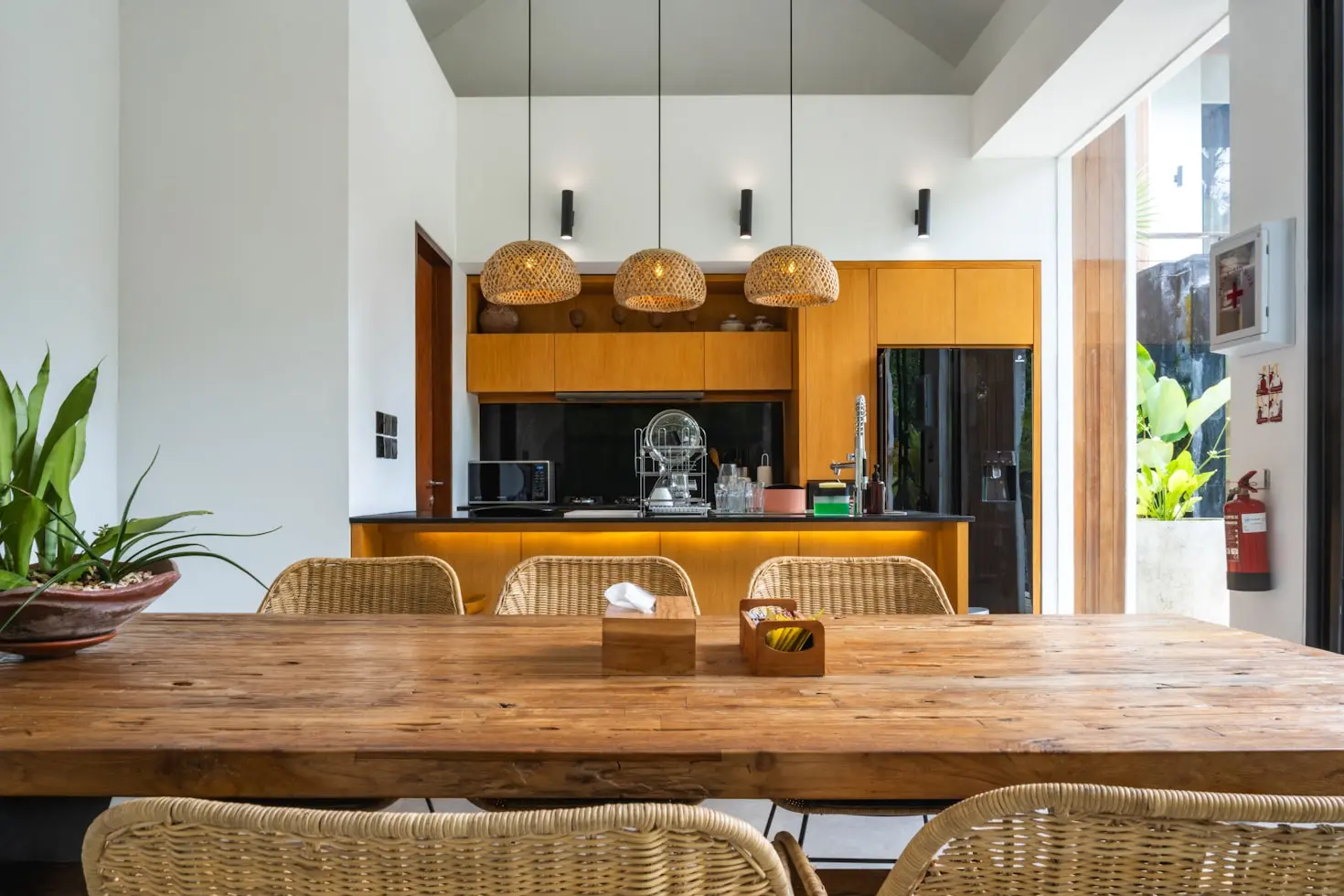
FSC-certified wood and recycled boards can be used to make dining tables, office desks, coffee tables, conference tables, and seating without affecting quality or the aesthetics.
Hotels and Hospitality Projects
In the quest to achieve their environmental objectives, hotels are increasingly opting to use sustainable millwork to design beautiful guest rooms, restaurants, reception, and public spaces.
Office Interiors
Sustainable custom furniture such as workstations, meeting tables, storage cabinets, and reception desks is enjoyed in modern offices. These resources are used to develop healthier work environments with better indoor air quality.
Luxury Residential Projects
Sustainable furniture is also being used by homeowners in their kitchens, bedrooms, living rooms, home offices, and walk-in closets due to its combination of style, durability and environmental responsibility.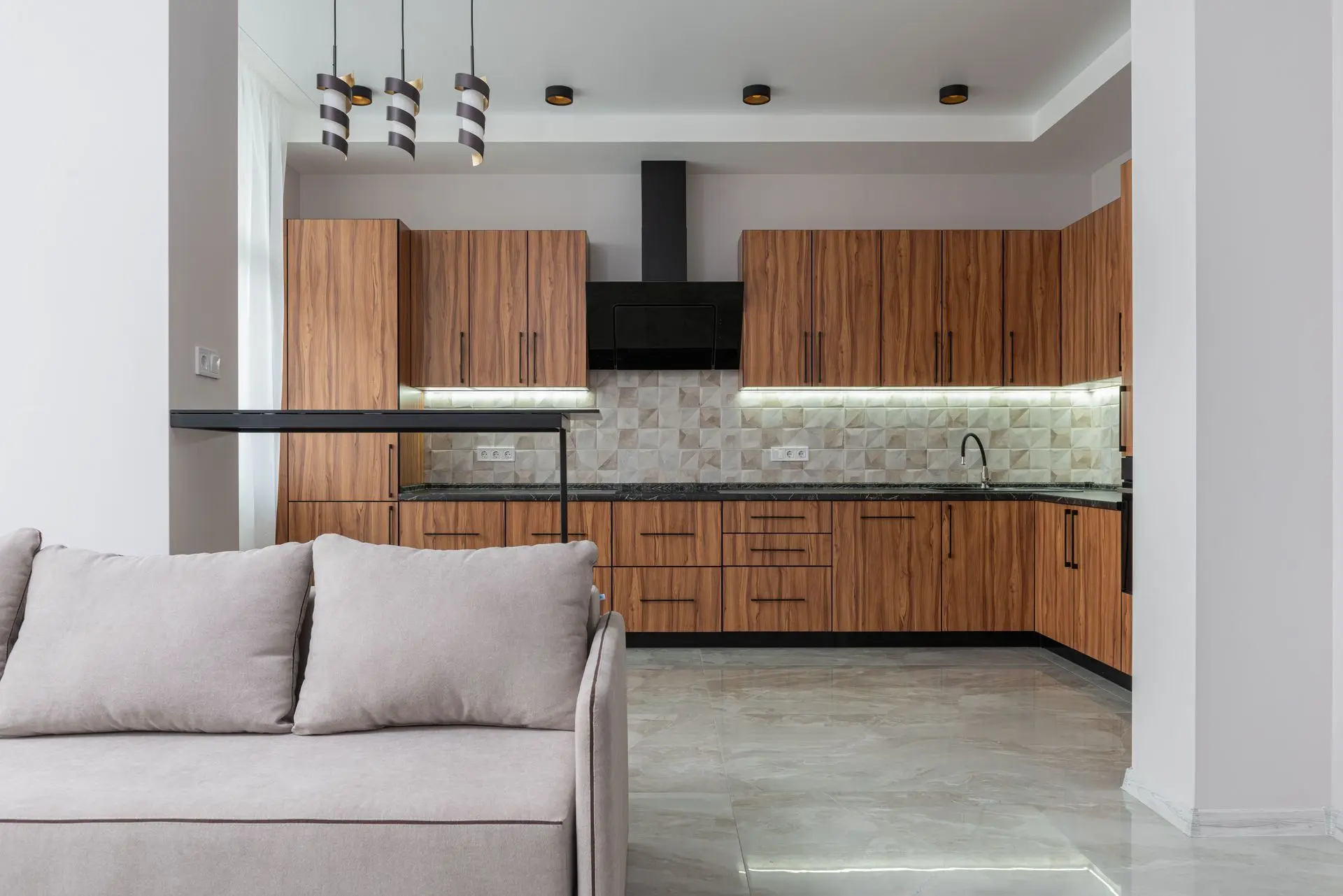
How to Choose the Right Sustainable Millwork Manufacturer
Choosing the appropriate manufacturer is equally important as the choice of the appropriate materials.
Ask About Material Certifications
A trusted manufacturer must be in a position to provide information on the origin of the wood and certification when necessary.
Learn About Their Manufacturing Process
Inquire about how the company minimizes waste, uses recycled materials, and uses environmentally friendly finishes.
Review Previous Projects
Examining the projects that are completed will assist you in assessing the craftsmanship, design quality, and experience of the company.
Check Their Customization Capabilities
Select a manufacturer who is able to create furniture based on your design, size, material, and finishing needs.
Avoid Greenwashing
Other companies refer to their products as being green or eco-friendly without any evidence. Never make a decision without requesting certifications or other supporting information.
Why Choose Belosso?
Belosso is the union of high-quality and sustainable production.
We provide:
- FSC-certified wood options
- Recycled boards for chosen applications.
- Low-VOC finishes
- Custom furniture manufacturing
- Professional quality control
- Flexible design solutions
- International project experience
We aim at assisting customers in designing beautiful spaces and making environmentally friendly decisions.
Conclusion
Sustainable millwork is not just a trend in the industry. It is a wiser approach to producing furniture that will be beneficial to people and the environment.
FSC-certified wood and recycled boards and low-VOC finishes are used to minimize environmental impact and produce durable, attractive, and safe furniture to use in the home.
At Belosso, we integrate professional craftsmanship and sustainably sourced materials to provide custom furniture to residential, commercial, hospitality, and office projects.
If you are planning your next custom furniture project, contact Belosso today. Our team is willing to assist you in developing sustainable millwork solutions that will suit your design, quality, and environmental objectives.
FAQs
What is sustainable millwork?
Sustainable millwork refers to the production of custom-made furniture and wood items with the use of responsibly sourced wood, recycled materials, and eco-friendly finishes.
Why is FSC-certified wood important?
FSC-certified wood is produced in well-managed forests. It assists in safeguarding the natural resources, promotes ethical forestry, and offers more transparency in the supply chain.
Are recycled boards strong enough for custom furniture?
Yes. Recycled boards of today are produced to high-quality standards and are commonly utilized in residential and commercial furniture works.
What are low-VOC finishes?
Low-VOC finishes have fewer harmful chemicals as compared to conventional paints and coats. They enhance the quality of air in the house and safeguard the furniture surface.
Is sustainable millwork more expensive?
Certain sustainable materials can be a little more expensive, yet they can be more durable and of better quality and have long-term value.
Can sustainable millwork be customized?
Yes. Fully customized cabinets, wardrobes, tables, reception desks, office furniture, and numerous other custom-made furniture solutions can be made with sustainable materials.
How long does sustainable bespoke furniture last?
Sustainable bespoke furniture can last several years with the right attention and good production, and its strength, appearance, and performance can remain intact.