Your retail displays are more than just product holders. They can make customers more aware of your products and your brand and help them navigate your store and determine what they should pay attention to. Retail millwork provides an opportunity to achieve all of these objectives with custom shelving, counters, display units, wall systems, storage and other built-in fixtures.
Fixtures must do more than fill void space if you are looking for your store to be unique. They should complement your visual merchandising strategy, suit your products, and reinforce your brand. Today's retail trends also reveal a greater emphasis on modular fixtures, warm materials, technology, sustainability and brand storytelling.
What Is Retail Millwork?
Retail millwork refers to custom-designed shelving, displays, counters, cabinetry, wall systems, and other fitted components that are necessary for a retail environment. These features can be customized to fit your space, products, brand style and operational requirements.
Custom retail millwork gives you greater control over dimensions, materials, finishes, configurations, and details than with standard fixtures. That flexibility can assist you to build a store that fits with the architecture, rather than appearing as if the displays are tacked on.
- For instance, a fashion shop could utilize custom wall shelving, lighted niches, a branded checkout counter, and integrated storage. A beauty shop could have display stands that feature shelves that can be adjusted and lights that are specific to the different product collections.
At Belosso, we design bespoke architectural millwork that can complement the interior architecture while providing aesthetics, function and durability in high traffic areas. Wall paneling, integrated storage, desks, counters and other custom elements are our solutions.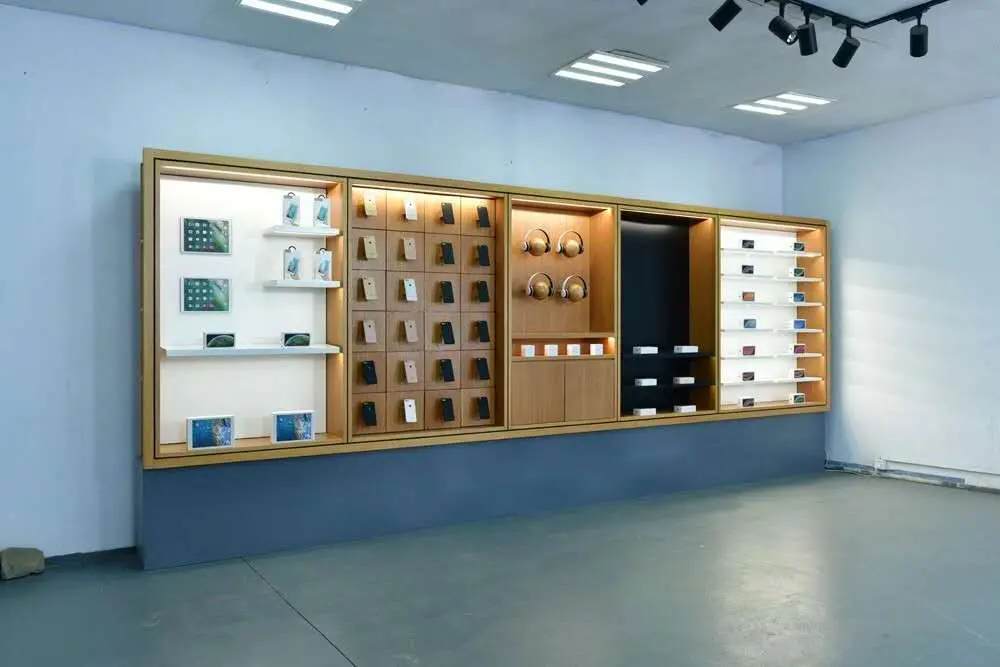
Why Does Retail Millwork Matter for Visual Merchandising?
Retail millwork is important because it allows you to manage the way that customers perceive, engage, and interact with your products. A fixture can be designed to establish a hierarchy of products, reinforce a brand image, enhance store traffic and maximize available space.
Consider your fixture to be a member of your visual merchandising team. It should assist your customer to answer simple questions:
- Which one should I check out first?
- Where can I find the product I need?
- Which product should be given more attention?
- So what is special about this brand?
- Where is the next place to move?
Visual merchandising involves creating displays, layouts, and visual cues to direct customers through a retail environment and to build brand identity.
Create a Clear Product Hierarchy
Not every product has to be given the same visual significance.
A clear hierarchy can be achieved through height, lighting, color, spacing and fixture design. The new range could be displayed on a wall, and the more common items could be on lower shelves.
- Example: A high-end handbag shop can have a new collection on a sculptural table with ample room around it. The lack of clutter gives the collection more significance than if it were crammed on a shelf.
Strengthen Your Brand Identity
Your fixtures can be made of the same materials, colors, textures and shapes that customers relate to your brand.
For instance, if the brand has a warm and natural feel, they can incorporate oak or walnut hues, textured finishes, and gentle lighting. A contemporary brand of technology could opt for sleek lines, metal accents, glass, and built-in lighting.
Improve Customer Flow
Your fixture arrangement can also lead customers around the store.
Feature displays can be placed near the entrance, pathways can be established between product groups, and counters or shelving can be used to delineate the various areas.
Combine Display and Storage
A good fixture should serve multiple purposes.
You can have a display wall which serves as a wall to store staff items, or a checkout counter with drawers and equipment that still looks neat to customers.
What Are the Latest Retail Millwork Trends for 2026?
Top trends for retail millwork in 2026 are modular displays, warm materials, embedded technology, sustainable design, robust visual hierarchy, and fixtures that convey a brand story. These trends can assist retailers in developing more unique spaces and provide more flexibility for future changes.
Here are seven trends to think about when designing your next retail project.
1. Warm and Natural Materials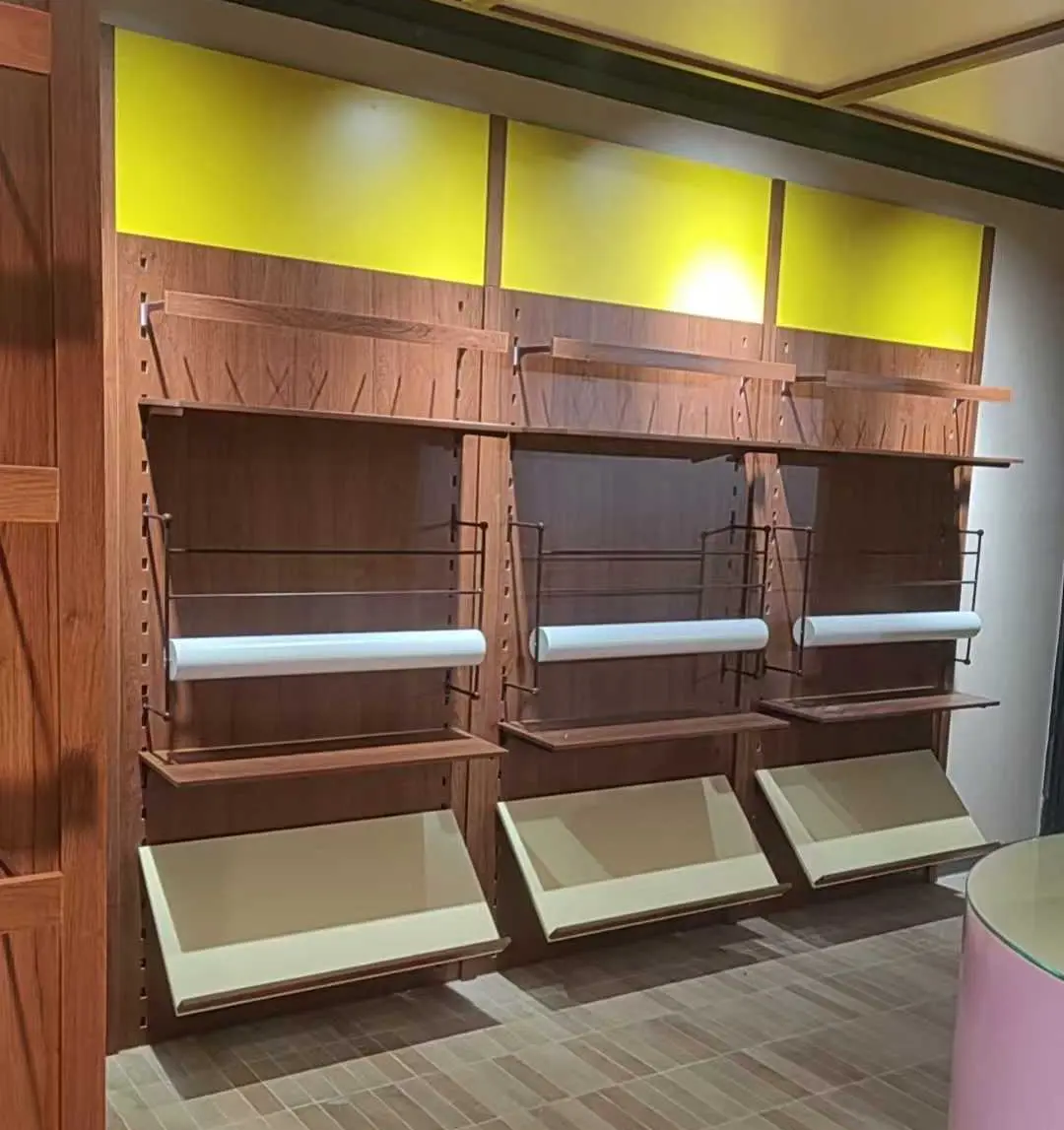
Retail spaces can benefit from warm wood hues and tactile materials that add a more refined look to the space and make it more welcoming. Wood, stone, metal, lacquer and other finishes can be mixed together to add contrast and depth.
The use of natural materials, warm finishes, matte surfaces and wood and metal combinations is becoming more prevalent in retail fixture trends as opposed to sterile-looking environments.
You can use natural-looking materials in several ways.
- Wall display wood veneer
- Selected feature elements of solid wood.
- Stone for counters
- Structural or decorative metal elements
- Matte finishes for a softer look
- The use of mixed materials for visual contrast.
For instance, a high-end fashion boutique might feature walnut-toned wall panels, brushed metal shelves, and a stone countertop at the cashier. The materials provide a high-end setting that doesn't compete with the clothing.
- At Belosso, we use various finishes and surface materials such as melamine, lacquer, veneer, sintered stone, natural stone, quartz and stainless steel. Materials are chosen based on design, use, traffic, maintenance requirements and cost.
2. Sculptural and Statement-Making Fixtures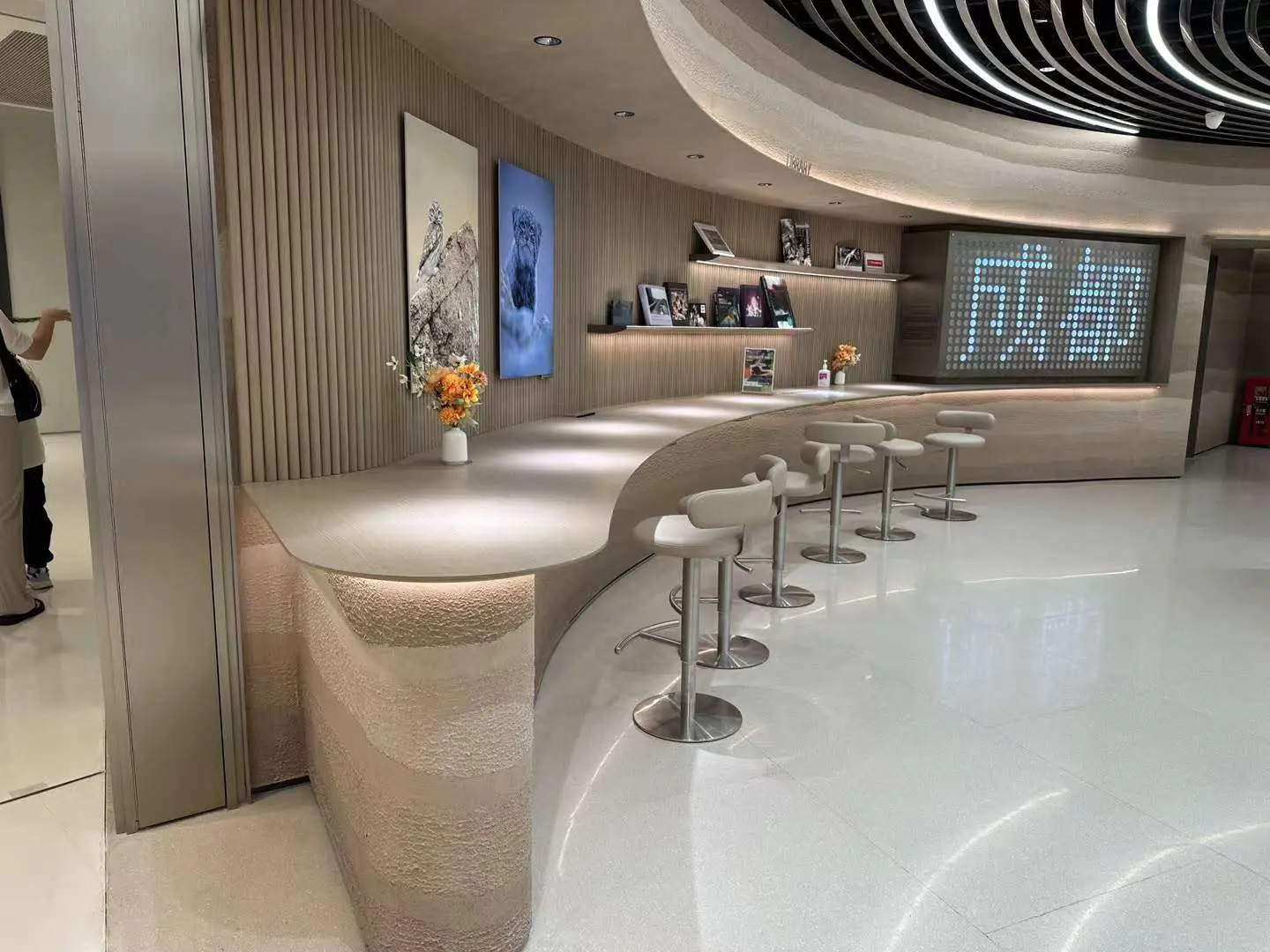
Sculptural fixtures make the exhibit itself an integral part of the store. Focal points that customers remember can be created by curves, unusual shapes, feature counters, freestanding structures and custom forms.
Not all fixtures have to be dramatic. A single statement piece can be enough to make a big impact.
- For instance, a high-end accessories shop may feature a curved central table. The table is no longer just a holding place but creates a visual anchor of the room and naturally attracts customers to the collection featured at the table.
It is especially effective if you want to convey the idea of creativity, craftsmanship, or exclusivity in the store.
3. Modular and Flexible Display Systems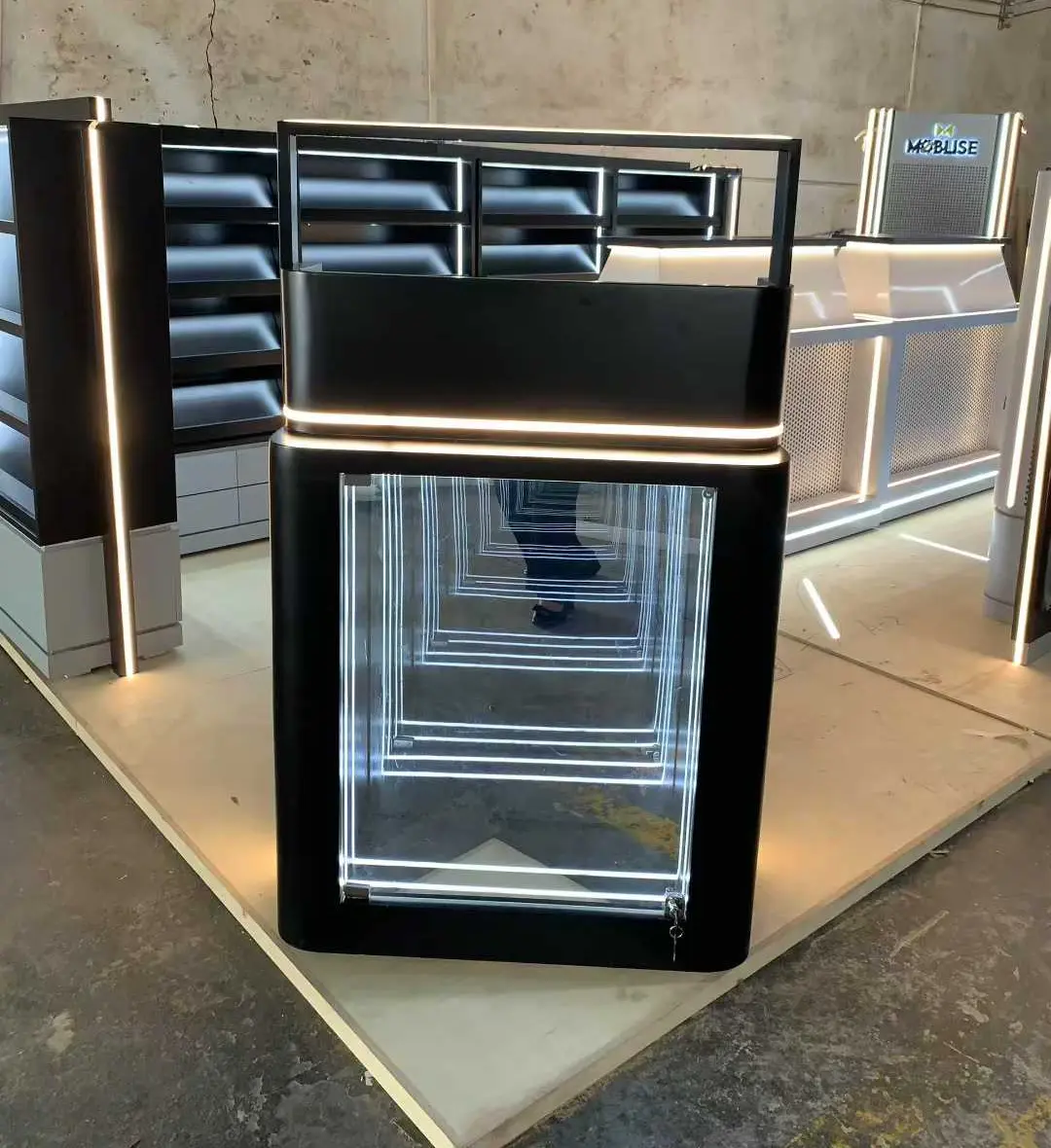
Modular retail fixtures allow for easy fixture changes without the need to redesign the entire store. Shelving can be moved, components can be changed, selected fixtures can be moved, or product layouts can be changed as merchandising needs change.
Retailers are looking for fixtures that can be flexible enough to accommodate seasonal resets, new product launches, and evolving customer habits.
This is especially relevant for high-street brands as collections and promotions can fluctuate often.
What Can You Make Flexible?
You can consider:
- Adjustable shelving
- Replaceable display panels
- Movable units
- Reconfigurable storage
- Interchangeable accessories
- Modular feature displays
For instance, a high street fashion retailer can have adjustable shelving for accessories. When a new collection comes in, the team can adjust the height of the shelf as opposed to replacing the whole shelf.
Custom doesn't always imply permanently set. Custom millwork can be designed to accommodate future changes.
4. Integrated Lighting and Technology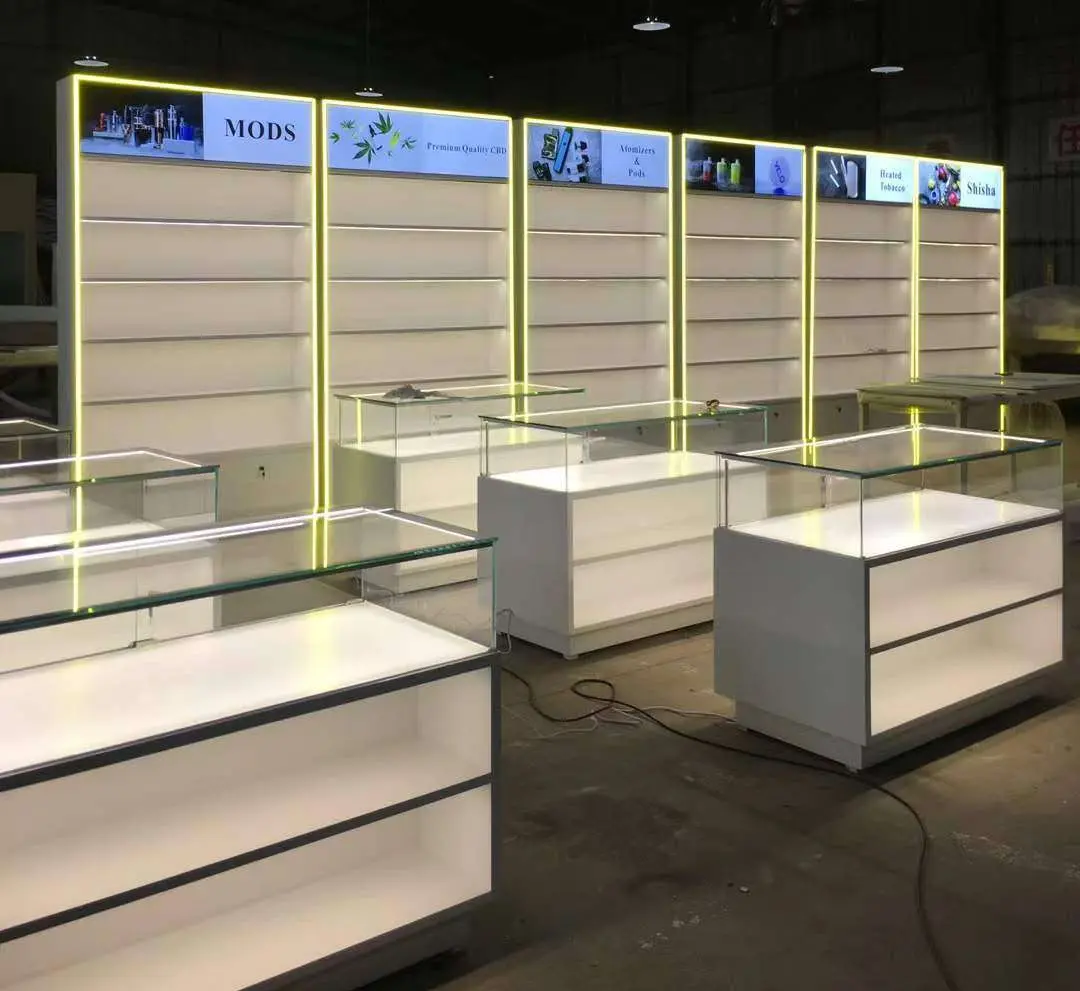
Integrated lighting can enhance product visibility and provide more focal points without creating visual clutter. Physical elements can also be used in conjunction with digital screens, QR codes, interactive displays or other technology where it makes sense to the customer journey.
Technology needs to be a tool for merchandising, not a distraction from the products.
For instance, LED lighting could be installed beneath shelves to accentuate skincare items or built into display niches to illuminate jewelry.
A digital screen can also be incorporated into a bespoke wall solution to display product details, campaign footage, or styling tips.
For example, a beauty brand could light up the shelves where its key products are displayed and set up a small digital screen next to them to show customers how to use the products.
The objective should not be complicated—clarity or engagement of the product experience through technology.
5. Sustainable and Long-Lasting Display Solutions
Instead of just the short-term visual impact, sustainable retail millwork is about material choices, durability, reuse, and long-term planning. When it comes to visual merchandising, retailers are increasingly taking into account circularity, reusable elements and responsible materials.
This can be done through:
- Choosing durable materials
- Making fixtures for long-term use
- Reusing modular components
- Choosing materials suitable to the needs of a project
- Reducing unnecessary replacement
- Planning future display changes as part of the initial design
Also, don't select a material just because it has a sustainable name. Before making a claim, check its actual specifications, sourcing, certifications, durability and maintenance requirements.
- Example: Rather than investing in a brand new fixture for each seasonal campaign, you can purchase a fixture with a long-lasting base and changeable display pieces.
This will help to freshen up the store without disturbing the main fixture system.
6. Minimalist Displays With Strong Visual Hierarchy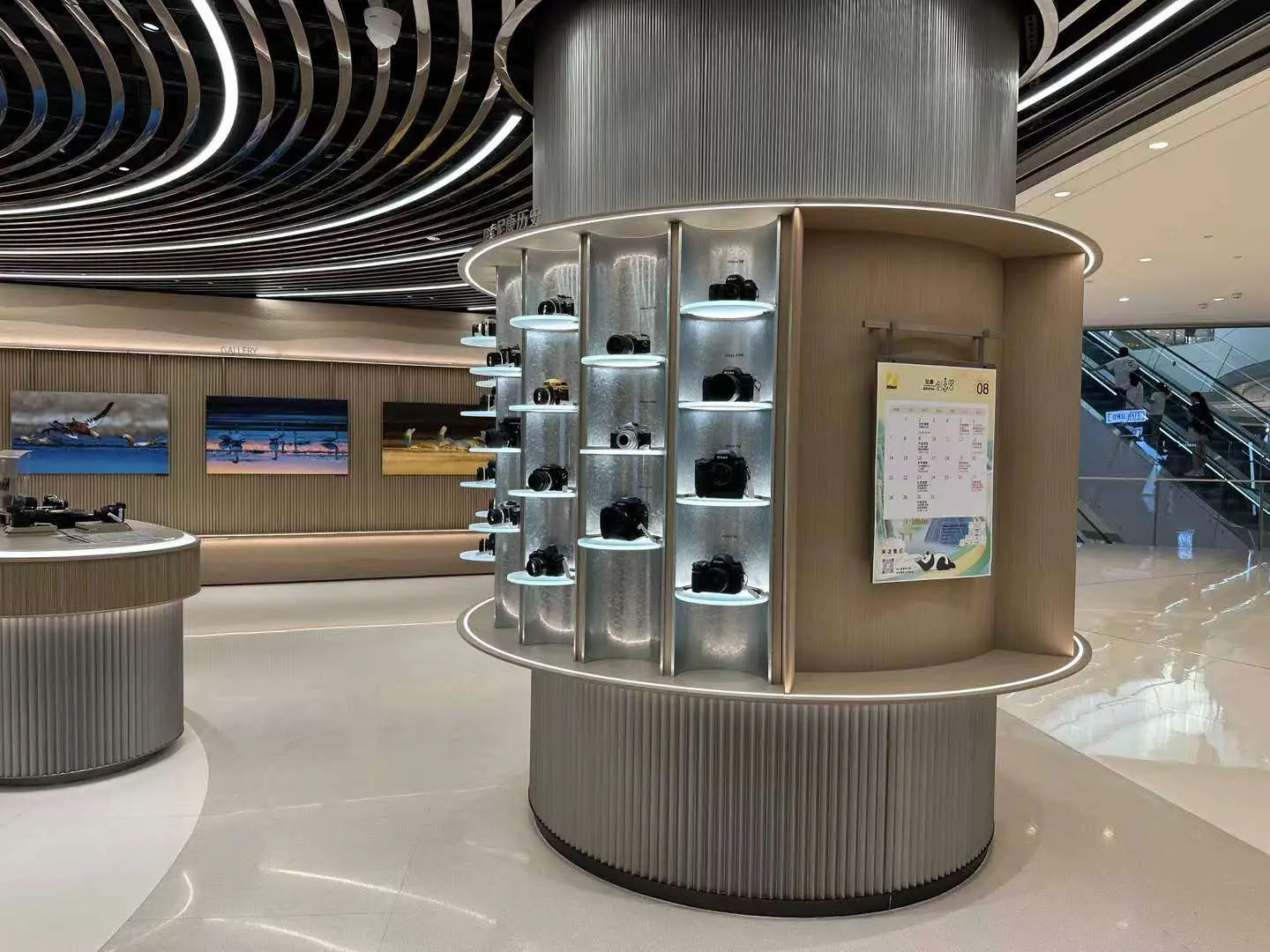
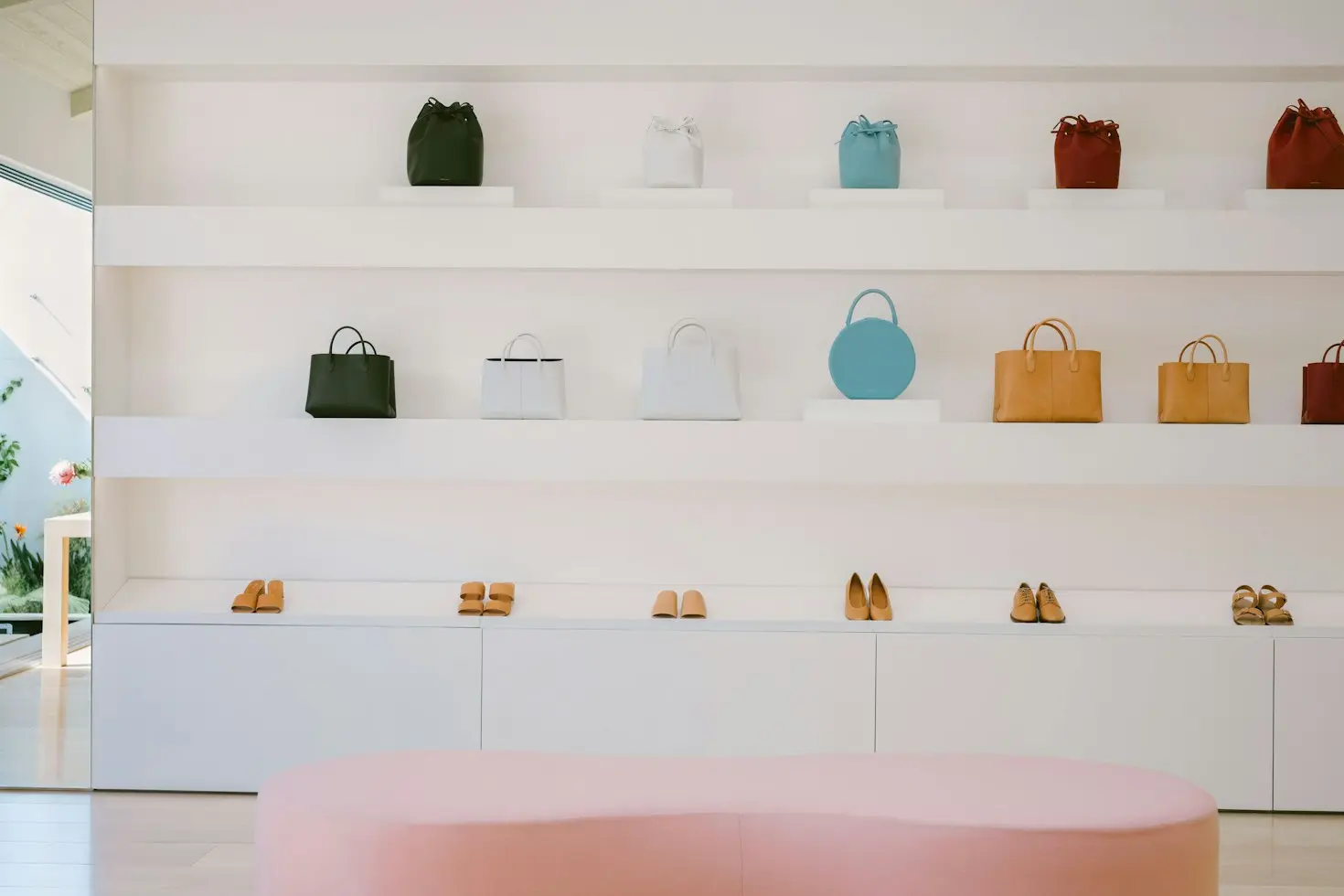
Minimalist retail displays draw the customer's attention to the products rather than to the many elements in the display. Clear product hierarchy can be achieved with clean lines, controlled spacing, neutral backgrounds and focused lighting.
This approach is particularly effective for luxury brands that may require a more spacious and exclusive atmosphere in their stores.
But minimalism doesn't imply that you need to leave your store bare.
There must still be sufficient information and product choice to give to the customer. The secret is determining which things are most important to focus on first.
- Example: When you have 20 handbags, you could set them on one large table, or 5 well-chosen handbags can be displayed with adequate space between each. Then you can highlight the latest collection with lighting and material contrasts.
7. Custom Fixtures That Tell Your Brand Story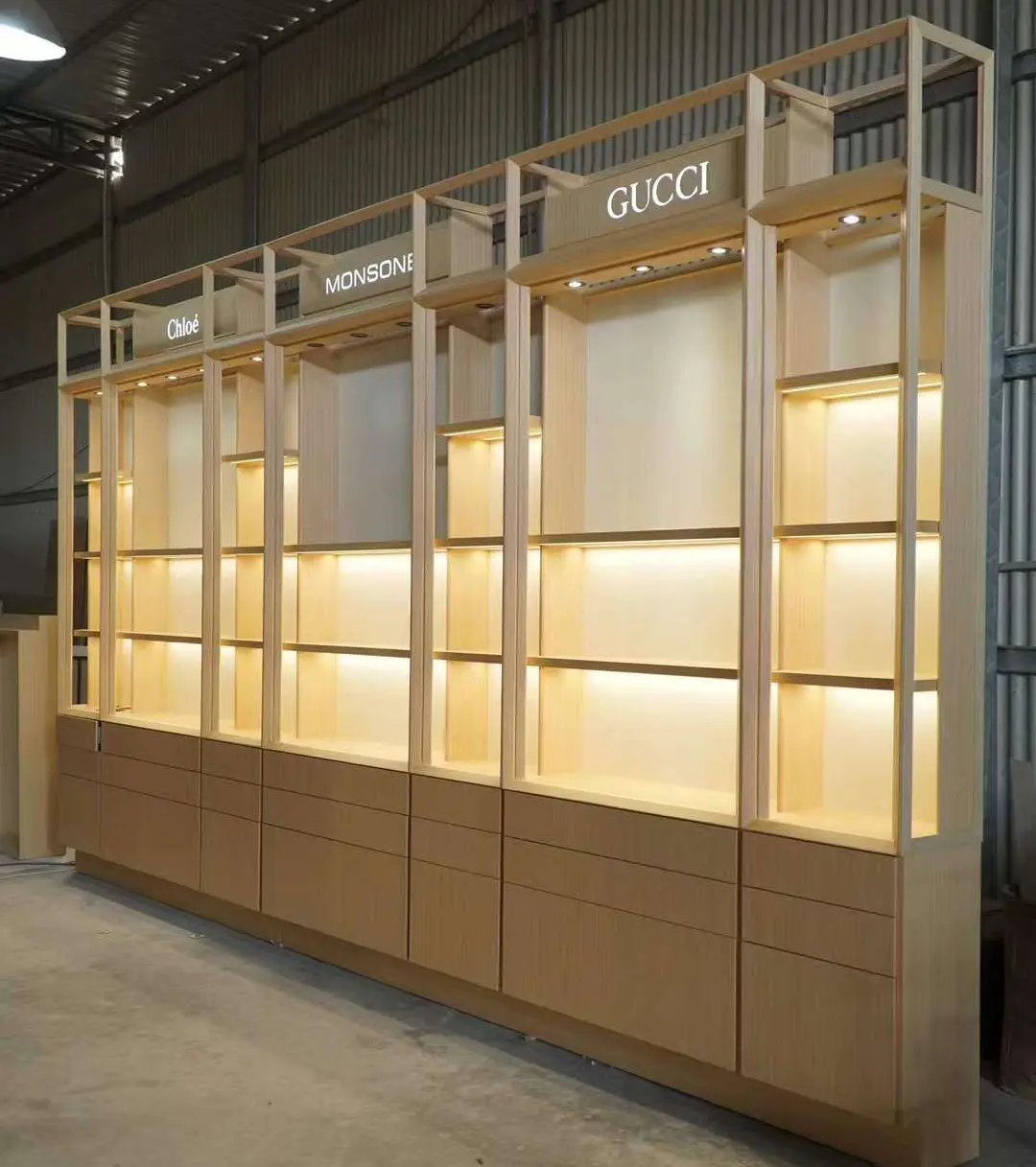
When materials, shapes, colors, and details of your retail fixtures resonate with your brand, they can be a part of your brand story.
Your customers engage with your brand more than just logo and packaging. They also take notice of the walls, counters, shelving, lighting, textures, and the overall atmosphere.
For example:
- Traditional craftsmanship and rich wood tones can be used by a heritage brand.
- A modern fashion company may employ sculptural shapes and materials.
- A warm wood, stone and soft texture may be used in a natural beauty brand.
- A tech brand may employ clean lines, metal, glass and built-in lighting.
Today, the retail fixture conversation is more about fixtures as a storytelling device, not just a product holder.
The most powerful outcome is when all aspects of the environment convey the same message.
How Do Luxury and High-Street Retail Millwork Differ?
Luxury retail millwork typically highlights the qualities of exclusiveness, craftsmanship, material quality, and large product presentation, while high-street retail millwork typically highlights flexibility, product variety, space efficiency and regular change. These differences are not rules but rather different merchandising objectives.
Design Factor | Luxury Retail | High-Street Retail |
Main Goal | Create exclusivity and a premium experience. | Present variety and support frequent changes. |
Product Density | Usually lower | Usually higher |
Materials | Premium and highly detailed | Durable and practical |
Display Style | Curated and spacious | Flexible and adaptable |
Fixtures | Often highly bespoke | Often modular or reconfigurable |
Lighting | Controlled and atmospheric | Bright, functional, and promotional |
Refresh Needs | Campaign and collection focused | Often more frequent |
Brand Storytelling | Strong focus on craftsmanship and identity | Strong focus on accessibility and current collections |
You can also combine these approaches. A high street brand can opt for high quality materials where appropriate and a luxury brand can choose modular fixtures where flexibility is required.
It's a matter of preference based on your products, your customer base, your brand, the size of your store, your budget, and your merchandising approach.
How Should You Choose Retail Millwork for Your Store?
When selecting retail millwork, begin with your brand, your product, your customer journey, your space, and your durability and merchandising needs. With these all combined, you can design fixtures that are both functional and aesthetically pleasing.
1. Start With Your Brand Identity
Ask yourself:
- What are the right feelings for customers when they come in?
- Which materials fit your brand?
- What do you want the space to look like—warm, modern, luxurious, playful, or minimal?
- What visual details are essential for customers to recall?
Answers to these questions can help you select your materials and fixtures.
2. Consider Your Product Type
Various products require various display solutions.
Small illuminated niches and safe display cases may be required for jewelry. Hanging systems, shelving and fitting-room storage may be required for clothing. Beauty products might require tiered displays, mirrors, lighting, and tester areas.
3. Plan Customer Movement
Pay attention to the way that customers enter, browse, compare, and buy.
Put your best displays in the areas where customers are accustomed to looking. Maintain clear important pathways. Provide fixtures to establish logical product areas rather than obstruct traffic.
4. Think About Durability
Retail stores are cleaned, stocked and visited regularly by people.
You should have materials and hardware that is appropriate to the environment.
At Belosso, we detail materials and hardware for the project, and for the correct applications, we detail commercial-grade fittings, moisture resistant substrates, reinforced joinery and durable surface finishes.
5. Plan for Future Changes
Inquire about the needs of your store in six months or two years.
Would it be possible to adjust the height of the shelf? Change a display panel? Move a unit? Add new lighting? Update a product category?
It's important to think about these questions ahead of time to prevent paying for redesign later.
What Are the Benefits of Custom Retail Millwork?
Custom retail millwork allows you to have greater control over the way your store fixtures fit, look, work and represent your brand. It is particularly effective when standard fixtures are not able to meet your space or merchandising needs.
Better Fit
Each fixture can be customized to fit the size of your area.
This is important if you have unusual walls, columns, corners, low ceilings, or other architectural constraints.
Stronger Brand Consistency
The materials, finishes, proportions, and design details can be repeated throughout the store.
That uniformity contributes to a sense of purpose in the whole environment.
Better Use of Space
A custom fixture can incorporate display, storage, light, signage and more in one cohesive fixture.
Greater Design Flexibility
You can customize:
- Dimensions
- Configuration
- Materials
- Finishes
- Shelving
- Storage
- Hardware
- Lighting integration
At Belosso, we create custom millwork based on client drawings or confirmed site measurements, with dimensions, finishes and configurations tailored to the project's needs.
How Does Custom Retail Millwork Support Different Retail Environments?
With custom retail millwork, you can create the fixture to fit the products, space, customer traffic, and visual merchandising requirements, which can vary from store to store.
Luxury Fashion
Reduce the number of products on display, choose quality materials, control lighting, and use unique feature items.
High-Street Fashion
Implement flexible shelving, effective storage, and movable components and systems that allow for frequent changes in the display.
Beauty Retail
Use a mix of illuminated shelves, testers, mirrors, drawers, counters and organized product categories.
Jewelry Retail
Pay attention to safe displays, controlled lighting, sophisticated materials, and a clear hierarchy of products.
Lifestyle and Home Retail
Provide larger display systems, shelving, wall panels, tables and room-like displays to enable customers to visualize products in their own environments.
The fixture should always complement the product, not compete with it.
How Can Belosso Support a Custom Retail Millwork Project?
Belosso is here to help with your custom millwork projects with design coordination, shop drawings, finish sampling, production, and quality control. We collaborate with designers and project teams to ensure design, material, technical requirements, and production details are coordinated prior to manufacture.
Design Coordination & Pricing
By collaborating with your designers and project teams, we ensure that layouts, materials and technical requirements are reviewed prior to detailed production work.
Shop Drawings and Renderings
At Belosso, we create detailed shop drawings that make the design concept buildable. This allows the project team to check dimensions, construction details, and other critical factors prior to production.
Finish Sampling and Sign-Off
We offer physical finish samples at Belosso to help you check the colors, materials, and surface qualities before production.
Production and Quality Control
We manufacture approved components in controlled conditions at Belosso and perform quality checks during the manufacturing process.
This process provides you with a more defined visual concept for the final retail environment.
Retail Millwork vs. Standard Fixtures: Which Should You Choose?
Use custom retail millwork if you want a certain fit or design that your space, brand or merchandising strategy calls for; use standard fixtures if speed, simplicity, and straightforward functionality are more important.
Factor | Custom Retail Millwork | Standard Fixtures |
Fit | Designed for your space | Uses preset dimensions |
Brand Customization | High | Usually limited |
Materials | Wide choice | Limited selection |
Configuration | Project-specific | Predetermined |
Visual Identity | Highly customizable | More generic |
Flexibility | Can include custom features | Depends on the system |
Initial Planning | Requires more coordination | Usually simpler |
Both of these choices are not suitable for all projects.
If you are looking for a unique store, custom millwork could provide you with more control. A standard fixture could be more efficient when you need a simple temporary display.
Expert Tips for Better Retail Display Fixtures
The ideal retail display fixtures are a combination of functionality and aesthetics. Before you finalize your design, think about how each fixture will accommodate your products, customers, staff and future merchandising changes.
Here are some tips that will help:
- Design Around the Product First: Even a great fixture can't overcome poor product presentation.
- Establish a Strong Point of Emphasis: Assign a place to see your most important products.
- Use Materials Consistently: Having too many unrelated finishes can cause the store to be confusing.
- Ensure Customer Traffic is Maintained: Don't allow appealing displays to become a hindrance.
- Use Storage as Much as Possible: Hidden storage can help to maintain a cleaner customer-facing space.
- Use Lighting Strategically: Light key products, rather than light everything equally.
- Plan for change: Your fixture should be conducive to future collections and campaigns.
- Test Samples Prior to Production: Materials may not appear as they do in real life.
- Coordinate Early: Lighting, electrical, signage, hardware and millwork should all complement each other.
- Consider More Than Just the Initial Launch: Once your store has completed the opening campaign, a fixture should support your store.
- At Belosso, we work with design coordination, detailed shop drawings, physical finish samples and controlled production to help project teams move from concept to finished millwork with greater clarity.
Conclusion: Retail Millwork That Strengthens Visual Merchandising
Retail millwork can transform plain old store fixtures into meaningful components of your visual merchandising plan. Whether it's warm materials, sculptural displays, modular systems, or integrated lighting, the right fixtures can help you clearly present products while enhancing the brand experience.
At Belosso, we support designers, developers, and project teams in developing custom millwork solutions that are all about elegant design, commercial quality, functionality, and durability. If you are designing a retail space and require custom display fixtures that will fit your space and visual merchandising needs, contact us to discuss your project needs and create a custom fit.
A good fixture shouldn't just display your products. It should make them visible to your customers, make your brand understandable to them, and make the area around them enjoyable for them.
Frequently Asked Questions
What is retail millwork?
Retail millwork refers to custom-built shelving, cabinetry, counters, wall systems, and display units for retail environments. These can be personalized to suit the space, the products, the brand, and the needs of the business.
How does retail millwork improve visual merchandising?
Retail millwork is a way to control product placement, hierarchy, lighting, customer flow, and brand presentation to improve visual merchandising. A properly designed fixture can help to make important products more visible and organize the store.
What materials work well for retail millwork?
The most popular retail millwork materials are wood, veneer, melamine, lacquer, stone, quartz, stainless steel and other surfaces, depending on the project. The selection will depend on the design, level of traffic, maintenance needed, durability requirements, and budget. Belosso provides a variety of finishes and surface materials for various applications.
Are modular retail fixtures better for high-street brands?
Modular fixtures are especially effective for high street brands, as they can be changed more easily. Shelving can be adjusted, selected units can be moved, and product presentation can be refreshed without the need to replace the fixture system.
How can luxury brands use retail millwork?
Retail millwork can be employed to craft a curated environment with luxury brands by utilizing high-quality materials, custom forms, controlled lighting, ample displays, and keen attention to detail. The fixture should help to convey the idea of craftsmanship and exclusiveness but not take the focus away from the products.