The materials you select are more important than most think when planning a home, office, villa, hotel or retail project. The right millwork materials enhance durability, appearance, strength and long term value. The wrong choice might result in swelling, scratches, cracks and/or costly repairs later.
You are likely to encounter millwork without realizing it, all the time. Millwork materials are used in kitchen cabinets, wall panels, wardrobes, reception desks, shelves, doors, and decorative trims. Different materials have different properties, so it is important to know which ones are suitable for your project.
We at Belosso can help our clients select millwork materials that are both within budget and design style while also meeting performance requirements. There are some materials that are suitable for wet areas and some that are perfect for luxury interior finishes. This guide provides all the information in a simple way, allowing you to make informed decisions.
What Is Millwork?
Inside buildings, custom-made wood or engineered wood products used are considered millwork. Typically these products are manufactured by a mill or factory and then fitted into place by installers.
Some of the most common millwork products are:
- Kitchen cabinets
- Wardrobes
- Wall paneling
- Shelving
- Doors
- Reception counters
- Decorative trims
- Office furniture
There is a lot of confusion between the two fields of millwork and carpentry. Carpentry is more concerned with the construction and framing, whereas millwork is concerned with the finished interior products.
Why Choosing the Right Millwork Materials Matters
The various millwork materials produce varying results. Some are more water-receptive and some are more upscale or less expensive.
Why Material Selection is important:
Factor | Why It Matters |
Durability | Longer lifespan when high-quality materials are used. |
Appearance | The texture and finish of a material are influenced by its materials. |
Moisture Resistance | Important for kitchens and bathrooms |
Budget | Some of them are very expensive |
Maintenance | Some materials require more maintenance |
Strength | The boards are quite weak and need to be replaced in areas of heavy use. |
For instance solid wood looks beautiful and lasts for years but is much more expensive than MDF. Laminate is scratch resistant but not as "real" as real wood.
MDF (Medium-Density Fiberboard) Explained
What Is MDF?
MDF stands for Medium-Density Fiberboard. MDF is made from fine wood fibers, resin, and wax and then compressed under high pressure and heat. This process results in a smooth, dense and uniform board that is suitable for modern interior use.
MDF has no visible grain pattern, knots or texture variations as found in natural wood. This smooth surface is what painters and designers love about MDF and is why it's a popular choice for projects that demand a clean painted finish. MDF can also be easily cut into decorative shapes, making it a popular choice for modern wall panels, trims, and cabinet doors.
MDF is commonly used by many homeowners and commercial designers because it offers the modern look at a cheaper price than solid wood.
Common Uses of MDF in Millwork
MDF is used in various indoor applications, such as:
- Painted kitchen cabinets
- Decorative wall panels
- TV units
- Shelves
- Moldings
- Interior furniture
Many modern homes have adopted the use of MDF due to the fact that it makes clean and smooth designs.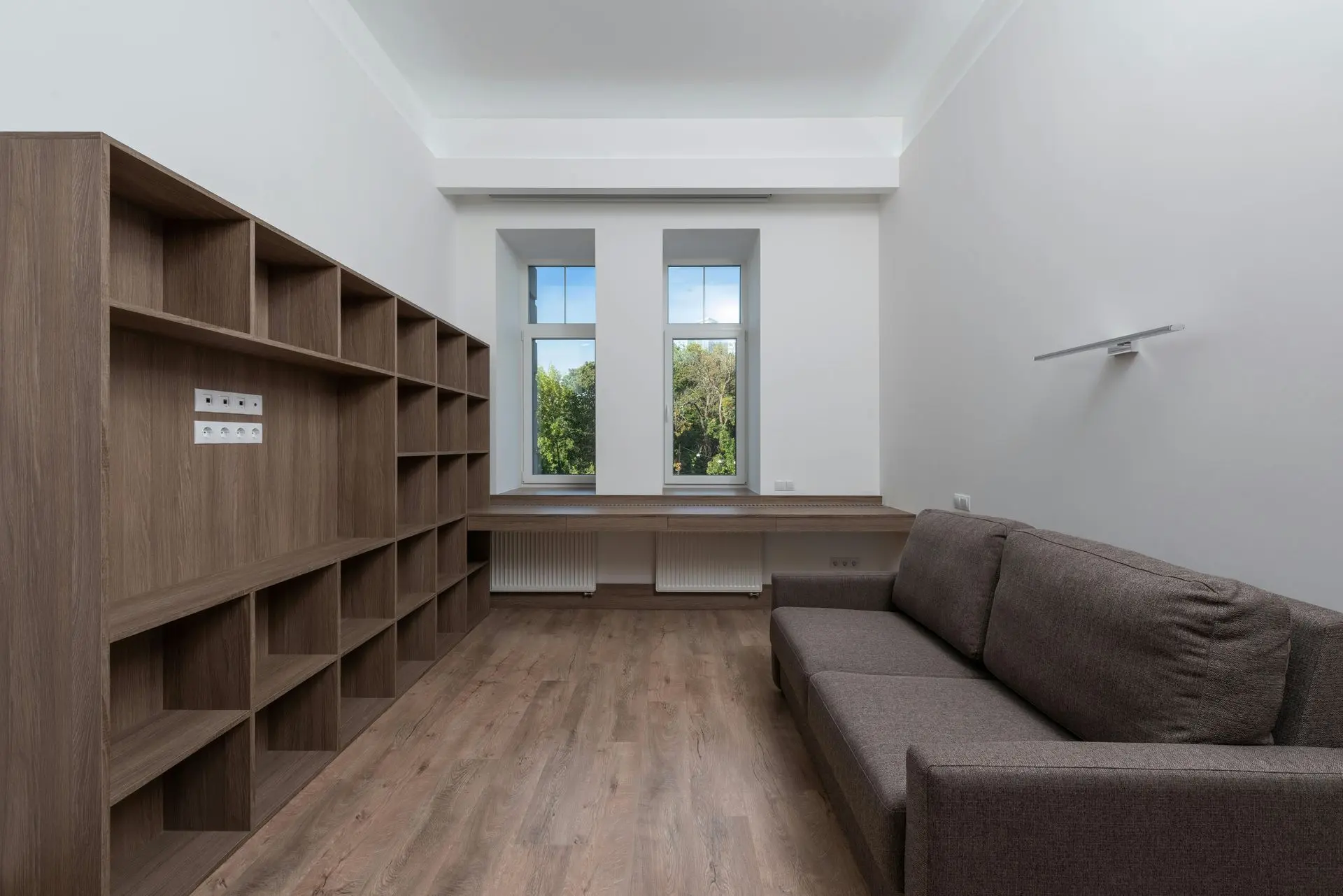
Advantages and Disadvantages of MDF
Advantages | Disadvantages |
Smooth finish for painting and modern finishes | Lacks and moisture. |
Affordable alternative to plywood and solid wood | Swells and is damaged by water. |
Easy to cut out into intricate and decorative forms | In many uses heavier than plywood |
Even texture, no knots or grain problems | Lower screw-holding strength |
Perfect for modern interior designs | Not suitable for outdoor or wet areas |
MDF Cost Tier
MDF Type | Cost Level |
Standard MDF | Low |
Moisture-Resistant MDF | Medium |
Fire-Rated MDF | Medium to High |
MDF works well for budget-friendly interior projects.
MDF Performance Overview
Feature | Performance |
Durability | Moderate |
Moisture Resistance | Low |
Paint Finish | Excellent |
Structural Strength | Moderate |
Cost Efficiency | Excellent |
Plywood Explained
What Is Plywood?
Manufacturers make plywood by gluing together multiple thin layers of natural wood veneer. The layers are oriented in different directions, providing strength and stability. This cross-layer structure makes plywood less prone to cracking, bending and warping.
The various grades, thicknesses and species of wood from which plywood is made are used for a variety of applications. Some are designed for decorative purposes; others are designed for moisture resistance or strength.
Plywood is a popular choice among many contractors and cabinet manufacturers due to its combination of strength, durability, and longevity.
Common Uses of Plywood in Millwork
Plywood is suitable for:
- Cabinet boxes
- Kitchen cabinets
- Shelving
- Furniture
- Wall cladding
- Commercial interiors
Plywood is commonly used by contractors in projects that require additional strength.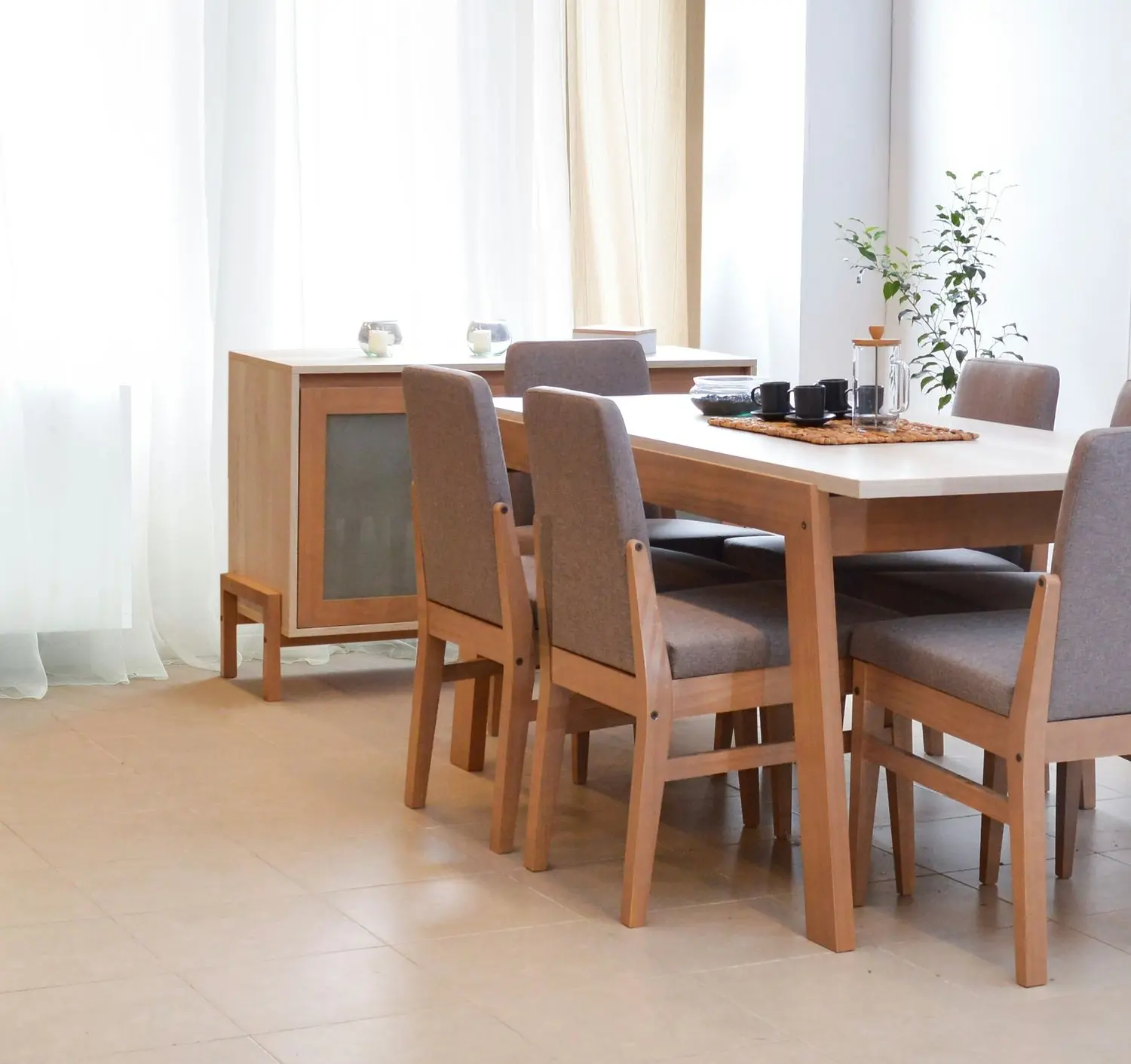
Advantages and Disadvantages of Plywood
Advantages | Disadvantages |
The layered structure provides for good structural performance. | More expensive than MDF |
More moisture resistant than MDF | All edges need finishing (edge banding) |
Excellent screw holding strength for cabinets and furniture | Lower grade plywood may contain voids or patches. |
Lighter than MDF | Surface may require further finishing to achieve a higher quality appearance. |
Long-lasting and durable material | The quality varies with the grade |
Plywood Cost Tier
Advantages | Disadvantages |
The layered structure provides for good structural performance. | More expensive than MDF |
More moisture resistant than MDF | All edges need finishing (edge banding) |
Excellent screw holding strength for cabinets and furniture | Lower grade plywood may contain voids or patches. |
Lighter than MDF | Surface may require further finishing to achieve a higher quality appearance. |
Long-lasting and durable material | The quality varies with the grade |
Plywood Performance Overview
Feature | Performance |
Durability | High |
Moisture Resistance | Good |
Strength | Excellent |
Lifespan | Long |
Value | Excellent |
Veneer Explained
What Is Veneer?
Veneer is a thin layer of real natural wood glued on top of another material like MDF or plywood. This technique enables manufacturers to make it look like solid wood but doesn't require the use of heavy natural wood.
For instance, walnut veneer has a true walnut wood veneer top. The inner plywood or MDF may be used, but the outer finish appears to be real walnut wood.
In high-end interior design, veneer is a popular choice for its blend of luxury and affordability.
Common Uses of Veneer in Millwork
This word is commonly used in the following products:
- Luxury office interiors
- Hotel furniture
- Wall panels
- Premium cabinets
- Executive desks
Veneer is used in many high end commercial projects for an elegant look.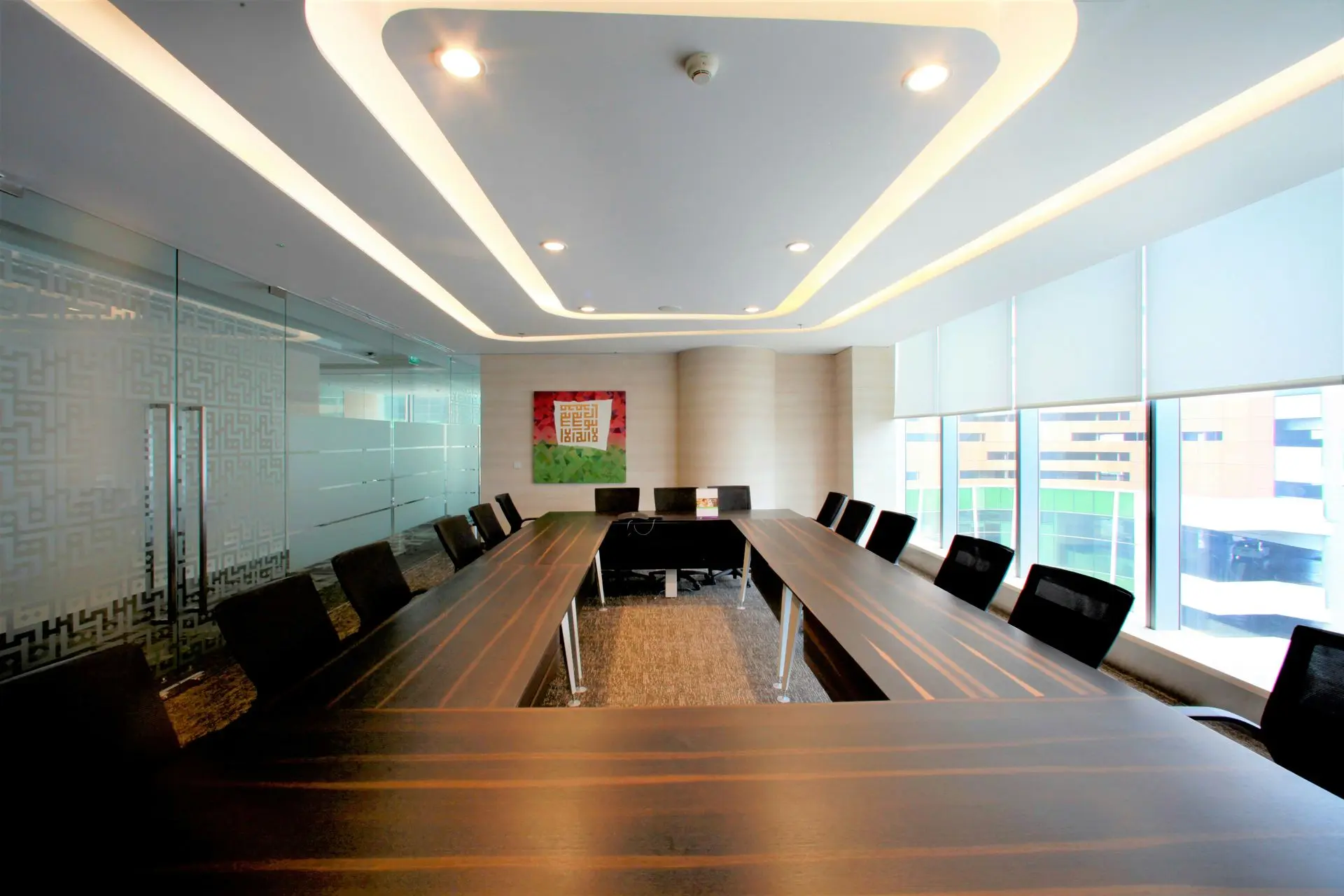
Advantages and Disadvantages of Veneer
Advantages | Disadvantages |
Real wood surface provides premium and natural look. | More susceptible to damage from scratching than laminate |
Less expensive than solid wood | Must be professionally repaired if damaged |
A beautiful and high quality look. | Moderately resistant to humidity but not waterproof |
Use of natural wood in an eco-friendly manner | Needs careful maintenance |
A wide selection of wood species and finishes. | If poor quality adhesive is used, can peel |
Veneer Cost Tier
Veneer Type | Cost Level |
Oak Veneer | Medium |
Walnut Veneer | High |
Exotic Veneers | Premium |
Veneer Performance Overview
Feature | Performance |
Appearance | Excellent |
Durability | Moderate to High |
Moisture Resistance | Moderate |
Luxury Feel | Excellent |
Laminate Explained
What Is Laminate?
Laminate is a decorative surface made by pressing printed paper laminated to MDF or plywood under heat and pressure. Manufacturers make laminates in various colors, textures and patterns, including wood-look finishes.
Some laminates are designed to look like wood, stone, marble or patterned fabrics. This versatility is one of the reasons why laminate is one of the most popular decorative surface materials used today.
Laminate is often used in commercial spaces due to its durability and easy maintenance.
Common Uses of Laminate in Millwork
Laminate is suitable for:
- Kitchen cabinets
- Wardrobes
- Retail counters
- Office furniture
- Commercial wall panels
Laminate is used in modern commercial spaces because it is able to withstand heavy use.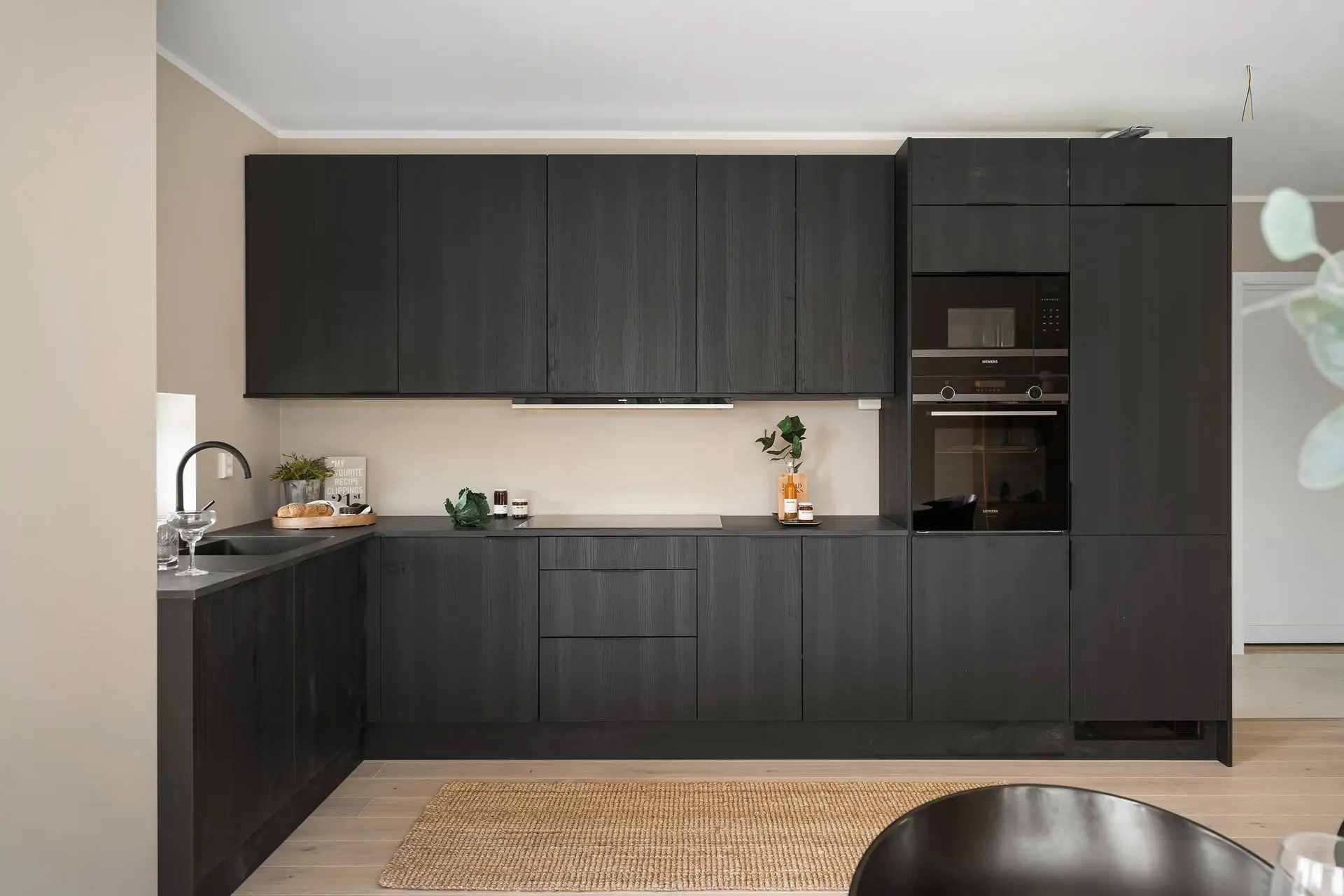
Advantages and Disadvantages of Laminate
Advantages | Disadvantages |
Tough and durable against scratches and wear and tear. | Does not appear as natural as real wood |
Easy to clean and maintain | Edges may chip on strong impact |
Affordable decorative solution | Incapable of being easily refinished or repaired |
A wide range of colors, textures, and patterns. | Surface can be damaged by heat and sharp impact. |
Ideal for commercial and high-use areas | Limited premium luxury feel |
Laminate Cost Tier
Laminate Type | Cost Level |
Low-Pressure Laminate | Low |
High-Pressure Laminate (HPL) | Medium |
Premium Textured Laminate | Medium to High |
Laminate Performance Overview
Feature | Performance |
Scratch Resistance | High |
Moisture Resistance | Good |
Maintenance | Easy |
Durability | High |
Design Variety | Excellent |
Solid Wood Explained
What Is Solid Wood?
Solid wood is wood that has not been engineered or compressed. Oak, walnut, maple, teak, ash, and pine are common wood species.
There are variations in wood color, texture, grain and strength among each species. Solid wood is always unique, as each tree is different.
Solid wood is often used in luxury interiors due to its timeless beauty and longevity.
Common Uses of Solid Wood in Millwork
Solid wood is found in:
- Luxury cabinets
- Custom doors
- High-end furniture
- Decorative trims
- Premium interiors
Solid wood is the material that is commonly used for luxury villas and executive spaces for timeless appeal.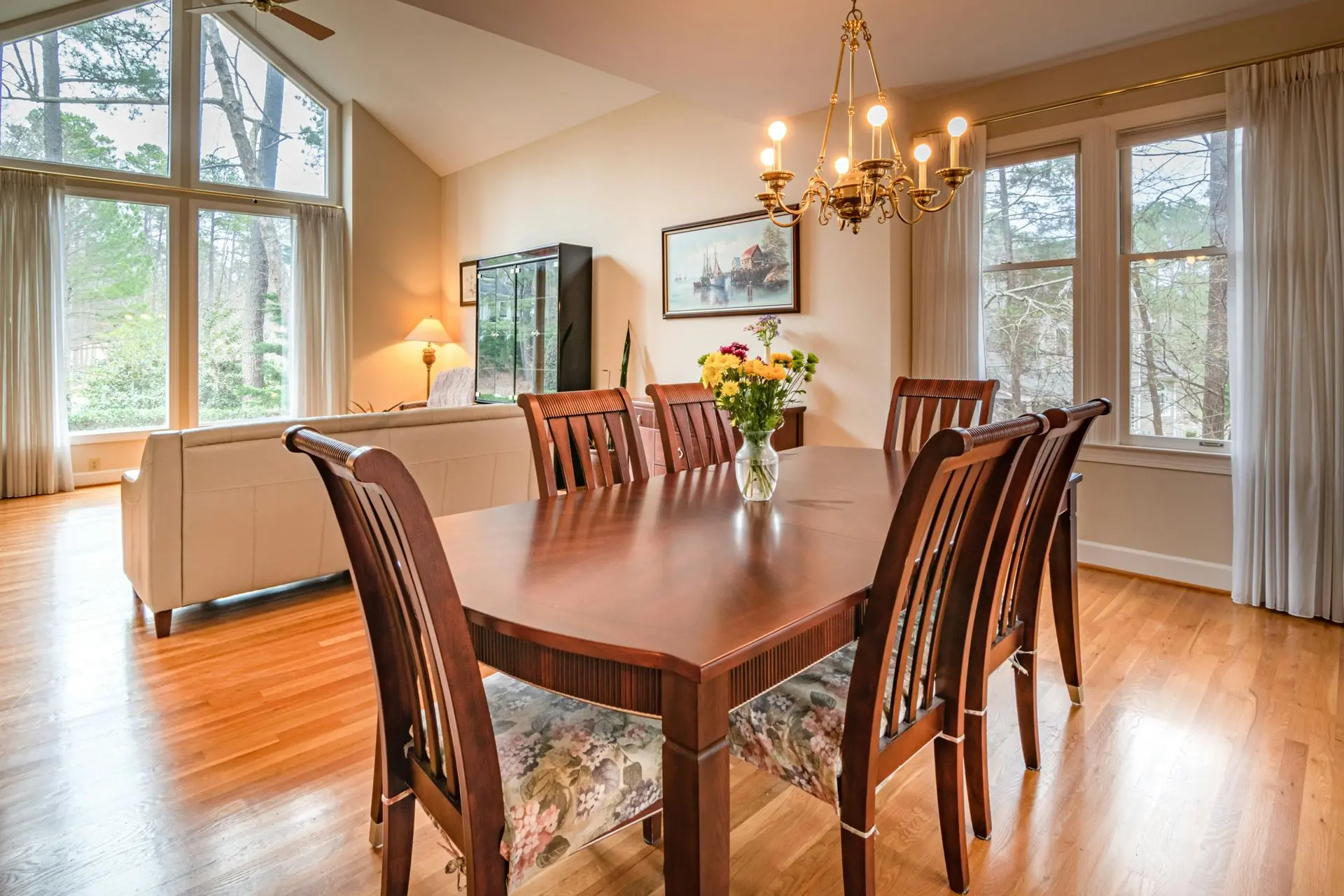
Advantages and Disadvantages of Solid Wood
Advantages | Disadvantages |
Natural beauty with special grain patterns. | Expensive in relation to engineered materials. |
Extremely durable and long-lasting | Swells and shrinks when wet or dry. |
Can be sanded and refinished several times. | Needs frequent upkeep and attention |
Firm and capable of heavy duty, good for heavy use | Heavier and harder to install |
Its luxury appearance can increase property value. | Not recommended for low budgets. |
Solid Wood Cost Tier
Wood Species | Cost Level |
Pine | Medium |
Oak | High |
Walnut | Premium |
Teak | Premium |
Solid Wood Performance Overview
Feature | Performance |
Strength | Excellent |
Lifespan | Excellent |
Appearance | Premium |
Repairability | Excellent |
Cost Efficiency | Moderate |
Millwork Materials Comparison Table
Material | Cost | Strength | Moisture Resistance | Appearance | Best For |
MDF | Low | Moderate | Low | Smooth painted finish | Budget interiors |
Plywood | Medium | High | Good | Natural wood layers | Cabinets & furniture |
Veneer | Medium-High | Moderate | Moderate | Luxury wood look | Premium interiors |
Laminate | Low-Medium | Good | Good | Decorative surfaces | Commercial spaces |
Solid Wood | High | Excellent | Moderate | Natural luxury finish | Luxury millwork |
Best Millwork Materials for Different Applications
Best Material for Kitchen Cabinets
For kitchens, plywood with laminate or veneer is the most suitable option as it is more moisture-resistant than regular MDF.
Best Material for Bathrooms
In bathrooms, moisture-resistant plywood or HPL laminate is suitable.
Best Material for Luxury Interiors
High quality finishes for luxury villas and executive offices are provided by solid wood and natural veneer.
Best Budget-Friendly Option
MDF laminate is suitable for low budget projects.
Best Material for Commercial Spaces
Laminate over plywood is suitable for use in offices, stores and restaurants, as it can withstand heavy daily use.
How to Choose the Right Millwork Materials
1. Understand Your Budget
Establish a realistic budget prior to choosing materials. High quality materials can add up fast.
2. Consider Moisture Exposure
Moisture-resistant boards should be used for bathrooms, kitchens, and laundry areas.
3. Match Design Style
The laminate and painted MDF are typical choices for modern interiors, or veneer and solid wood for luxury interiors.
4. Think About Maintenance
Laminate is easy to clean and perfect for busy commercial areas.
5. Focus on Long-Term Performance
Low quality materials can result in higher maintenance expenses. Typically, strong materials provide better value over time.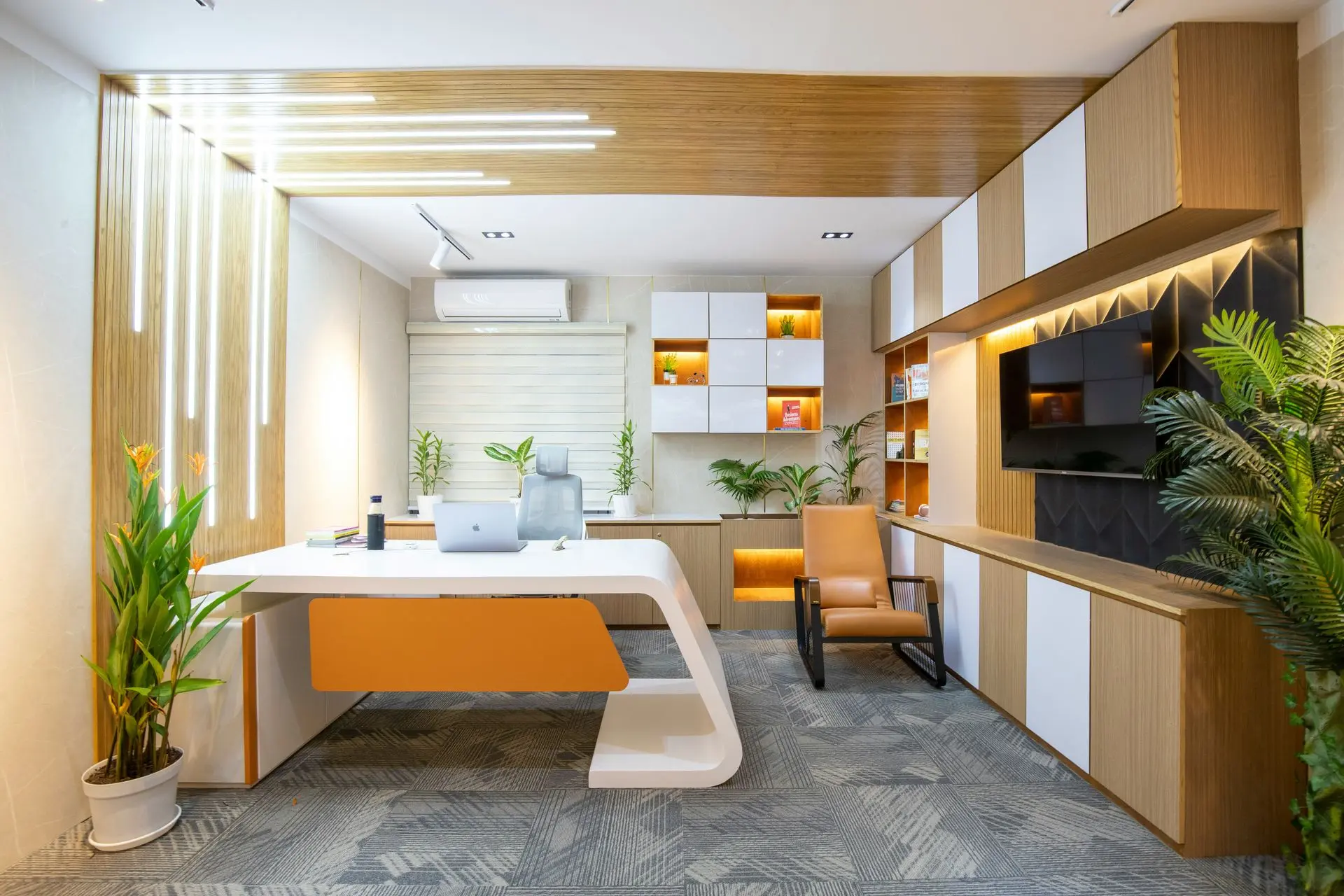
Sustainability and Eco Friendly Millwork Materials
Today, more than ever, sustainability is an issue. Today, many clients are seeking millwork materials that are eco-friendly for healthier interiors and environmental responsibility.
Wherever possible at Belosso, we support sustainable material solutions.
Key sustainability elements are:
- FSC-certified wood
- Low-VOC materials
- Recycled wood products
- Sustainable veneers
- Formaldehyde-free boards
These options will enhance indoor air quality and minimize environmental impacts.
Common Mistakes to Avoid
Ignoring Moisture Conditions
Normal MDF can be prone to rapid failure in moist environments.
Choosing Only Based on Price
Cheap materials sometimes create higher repair costs later.
Using Weak Boards for Heavy Loads
Heavy items can cause thin MDF shelves to sag.
Ignoring Surface Finish Quality
Poor quality laminates can delaminate or fade more quickly.
Future Trends in Millwork Materials
Modern technology and design trends keep developing Millwork.
Popular trends include:
- Anti-fingerprint laminates
- Fire-rated panels
- Textured decorative surfaces
- Eco-friendly engineered wood
- Smart storage millwork
- Acoustic wall panels
Commercial interiors are now more than ever concerned with being durable, sustainable and modern.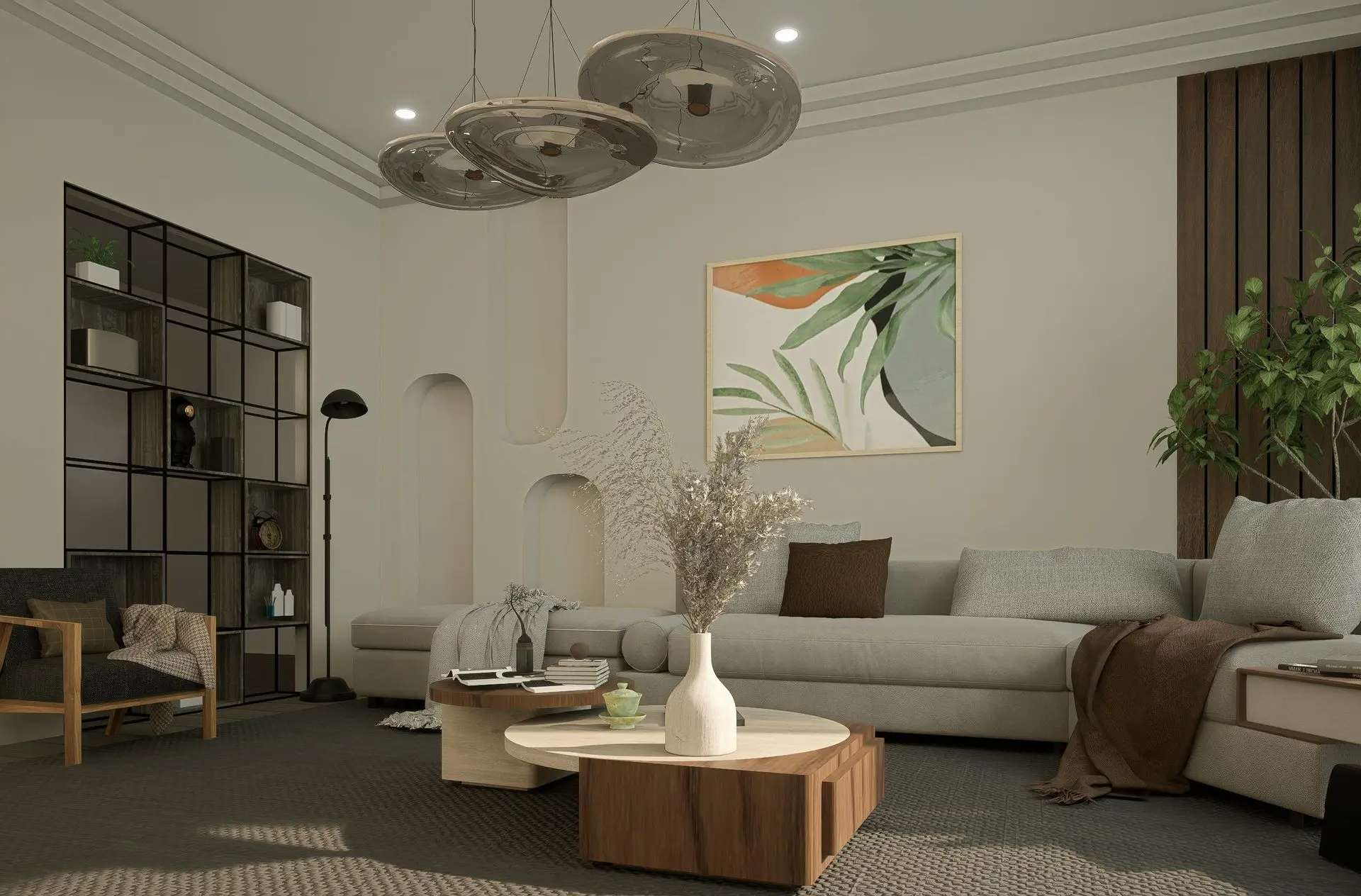
Conclusion
Selecting the right millwork materials can help you design beautiful, lasting interiors. MDF is low cost and provides easily painted surfaces. Plywood is strong and more moisture-resistant. Veneer offers luxury wood finishes and laminate offers durability and low maintenance. Still, solid wood is the choice of luxury and durability.
We can assist our clients in choosing millwork materials that will meet performance, design, durability, and budget requirements at Belosso. From modern commercial interiors to luxury villa millwork and office cabinetry to decorative wall solutions, we can help you choose the right materials for your project.
Contact us today to discuss your next interior solution and find materials that are just right for you.
FAQs About Millwork Materials
1. What are the most common millwork materials?
MDF, plywood, laminate, veneer and solid wood are the most common millwork materials.
2. Which millwork material lasts the longest?
When owners take care of their wood properly, it typically lasts the longest.
3. Is MDF better than plywood?
MDF is suitable for painted finishes and budget-friendly, while plywood is stronger and more resistant to moisture.
4. Which material works best for kitchen cabinets?
The best plywood to use for kitchen cabinets is one with a laminate or veneer finish.
5. Is laminate better than veneer?
Laminate is more scratch-resistant and easier to maintain, whereas veneer has a more natural and luxurious look.
6. What is the cheapest millwork material?
Typical MDF is typically less expensive than plywood, veneer and solid wood.
7. Which material resists moisture best?
Marine plywood and high-pressure laminate are very good in damp areas.
8. Does veneer use real wood?
Yes. Veneer is the name given to thin slices of natural wood that are glued to engineered boards.
9. Is solid wood worth the cost?
Yes, particularly for luxury projects, long-lasting durability, and timeless design.
10. What millwork material works best for offices?
Laminate over plywood is a great choice for office interiors, as it offers a great level of durability, appearance, and maintenance.