LED millwork lighting has completely transformed the way you experience contemporary interiors. You no longer have to rely on ceiling lights or table lamps. You can now integrate light into your cabinets, shelves, wardrobes and furniture. This gives a clean, high end and very useful appearance that is both modern and functional.
Light is not simply added when you design with LED millwork lighting. You create mood, emphasize textures, and enhance usability. You also develop a smooth design in which light is incorporated in the furniture rather than an addition at a later stage.
At Belosso, we specialize in incorporating lighting into custom millwork through accurate routing and sophisticated diffuser systems. Our lighting is natural, inconspicuous and aesthetically in harmony. This guide will teach you how professionals should plan and install LED millwork lighting correctly to ensure you do not make the most common mistakes and create a high-end finish.
Understanding LED Millwork Lighting
LED millwork lighting is a type of lighting installed into woodwork, cabinetry, and furniture. You do not find heavy fittings. You only have diffused light that is controlled and comes out of clean edges or concealed channels.
This lighting is normally found in:
- Kitchen cabinets and under shelves
- Dressing and wardrobes.
- TV sets and living room monitors.
- Hotels and retail displays.
Control is the greatest benefit. You choose the place of light and its intensity. You also clutter less since you eliminate external light fixtures.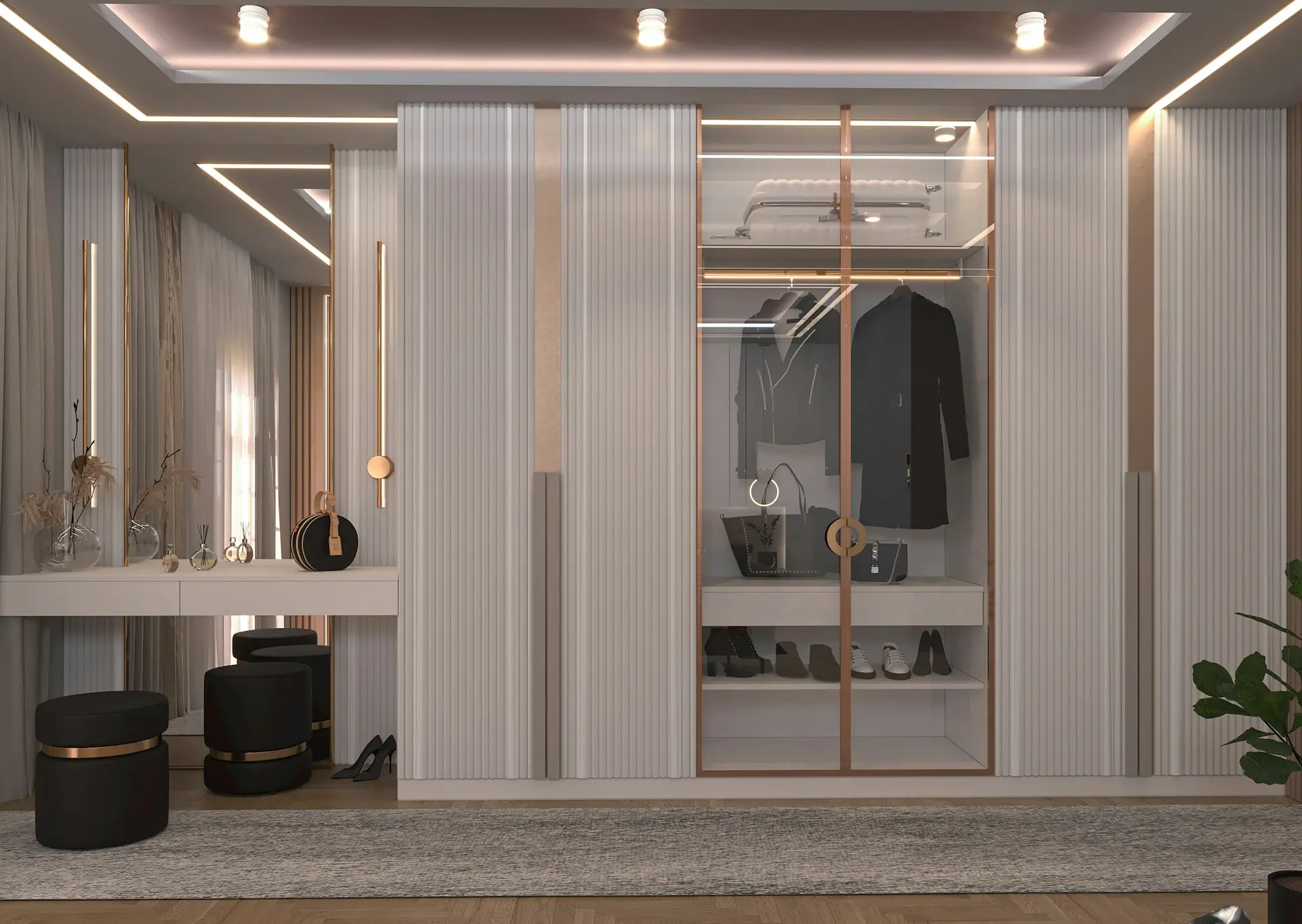
Benefits of LED Millwork Lighting
LED millwork lighting is not only about the addition of light to furniture. It totally transforms the appearance, feel and functionality of a space.
Improved visibility is one of the greatest advantages. You can easily see everything without straining in the shadows when you install LED lights inside cabinets, shelves, or wardrobes. This simplifies day-to-day activities, particularly in kitchens and storage facilities.
The other significant benefit is the contemporary and luxurious look. The use of soft, low-key lighting gives the interior a clean and upscale appearance that immediately elevates the interior. Even basic furniture begins to feel high-end when it has light incorporated into it.
The LED millwork lighting is also highly efficient in terms of energy. It consumes a lot less power than the conventional lighting, thereby saving energy expenses in the long run.
You also have flexibility in design. Depending on the atmosphere in the room, you can select warm, neutral, or cool lights. As an illustration, warm light is comfortable in bedrooms, whereas a neutral light is suitable in kitchens and offices.
Lastly, it enhances space perception. Small rooms appear larger, deeper and more open with proper lighting. It gives depth to flat surfaces and accentuates the textures on wood and finishes.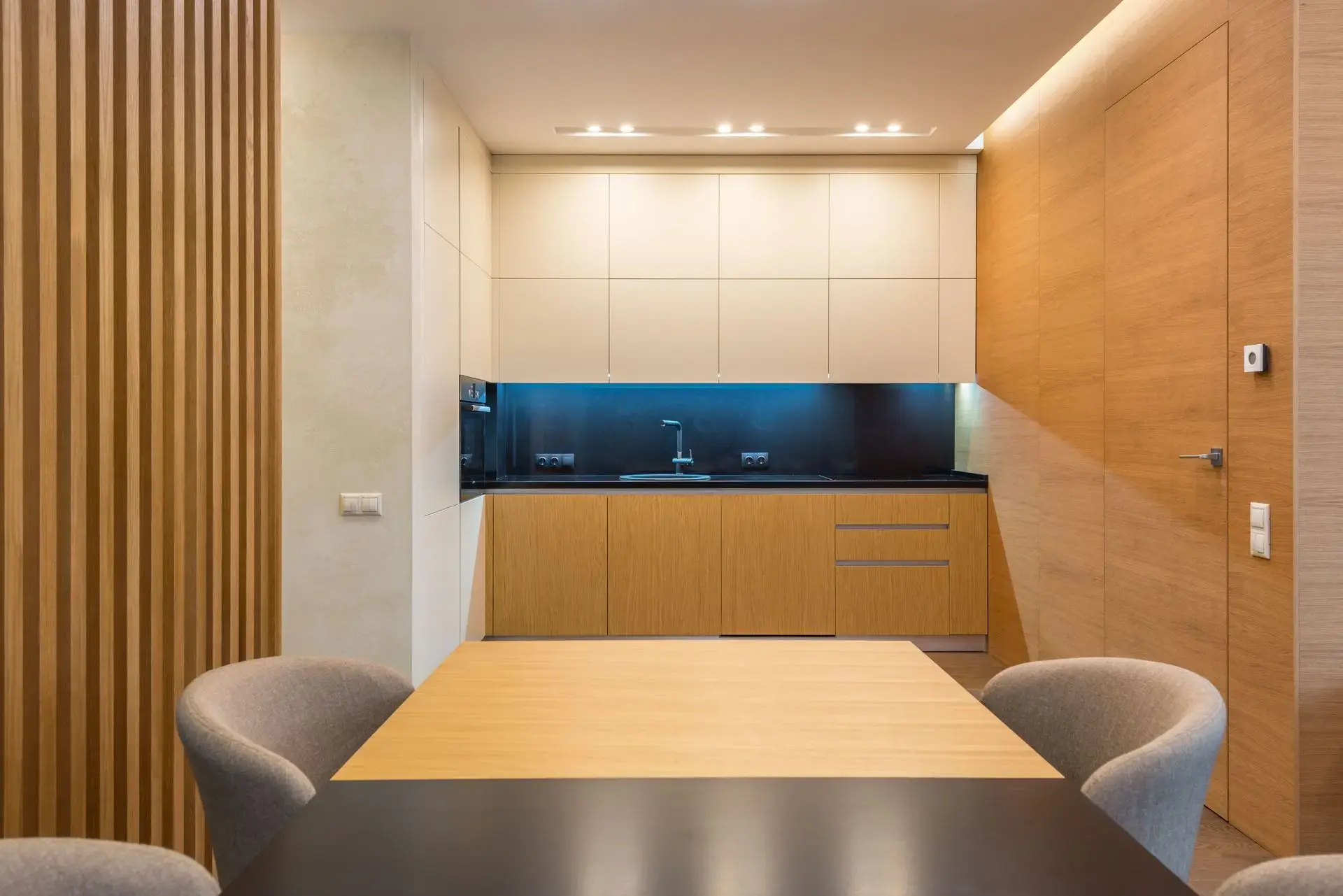
Planning LED Integration in Millwork
The best LED millwork lighting begins with design. Lighting should not be a secondary consideration.
By planning early you are in charge of
- Depth of channel within wood panels.
- LED strips and aluminum profiles.
- Routing wire behind panels.
- Locations of driver and power supply.
Before cutting any material, you also select the correct LED strip. To illustrate, warm white is more suitable to warm interiors, whereas neutral white is appropriate in a modern kitchen or office.
You must also measure well. You should not allow your routing depth to become excessively shallow or the LED strip will not fit. When it remains too deep, then you can weaken the structure of the wood.
The right planning will make your end design look smooth and professional.
Technical Routing Methods for LED Millwork Lighting
One of the most important steps is routing since it will dictate how neat and accurate your lighting installation will appear.
What Is Routing in Millwork Lighting?
Routing involves slicing accurate channels into wood or panels. These channels are filled with LED strips or aluminum profiles. This method assists you to conceal the lighting entirely and at the same time to have the light distributed evenly.
It also assists you in developing a smooth surface finish where the lighting is integrated into the structure rather than being an independent component.
Types of common router channels
Surface Recess Channels
You make a shallow cut on the surface. This is effective with soft glow lighting. It also retains a part of the LED just a bit visible to the surface as decoration in contemporary designs.
Flush-Mounted Channels
You insert LED profiles all the way through the wood to make the surface flat. This provides a very clean and high end look that fits in the high end cabinetry.
Deep Recess Channels
The deeper you install LEDs, the greater the glare control. This comes in handy when you are in need of soft and indirect lighting that does not reveal the LED dots.
Corner Routing
You put LEDs in 45-degree corners to light the edges. This technique is frequently applied to shelves and display units to produce clean, crisp edges of lighting.
Channel Dimension Guidelines
The channel size must match the LED profile size:
- Width should be able to accommodate the LED strip and aluminum profile without straining.
- The LED body should be completely covered with depth to ensure a clean surface appearance.
- Additional spacing should ensure heat expansion and free air circulation around the LED system.
Measurements are done properly to avoid stress during installation and achieve long-term performance.
Routing Based on Material
Solid Wood
You have to maneuver to avoid cracks. Wood is responsive to pressure and hence gradual and restrained cutting is the best.
MDF
You receive clean cuts and edges. MDF is stable and is suitable to work with LED channels.
Plywood
Over-cutting layers should be avoided as internal layers may separate in case routing is too deep.
Laminated Panels
When routing, you need to safeguard the top layer. Any break to the laminate surface cannot be repaired easily, and therefore, accuracy is more of an issue in this case.
Common Mistakes to Avoid
Removal of non-uniform channels that influence LED placement.
Neglecting heat space, which may shorten the life of LEDs.
Scratches surface finish, particularly visible surfaces.
Obstructing wire paths, which complicates installation and maintenance in the future.
These errors can be avoided to make the installation of LED millwork lighting cleaner, safer, and more professional.
Aluminum Channels and Heat Management
LED strips should never be directly mounted in wood without protection. LED strips produce heat, and wood can trap warmth, which reduces LED lifespan. This shortens life and impacts performance.
This issue is addressed by aluminum channels.
They help you:
- Control heat effectively
- Protect LED strips from damage
- Extend LED lifespan
- Improve light distribution
There are two major types you may select:
Type | Use Case | Benefit |
Recessed Profiles | Hidden installations | Clean, seamless finish |
Surface-Mounted Profiles | Quick installations | Easy access and maintenance |
In Belosso, we would always recommend the use of aluminum profiles since it would sustain performance and safety even in the long term.
Diffuser Solutions for LED Millwork Lighting
Diffusers significantly contribute to the appearance of the LED lighting which appears smooth and professional rather than harsh and dotted.
What Is a Diffuser?
A diffuser is a lid that is placed over the LED strips. It diffuses light and eliminates rough dots. It also allows you to regulate the brightness and provides a diffused, even spread of glow on the surface.
Even high quality LED strips may appear uneven and aesthetically unpleasing without a diffuser.
Why You Need Diffusers
In the absence of a diffuser, there are LED hotspots that make a dotted or stripy effect. This disrupts the neat appearance of millwork lighting and makes the installation appear of low quality.
This is addressed by a diffuser, which combines single points of LEDs into a single line of light, enhancing comfort and beauty.
Types of LED Diffusers
Type | Brightness | Light Spread | Glare Control | Best Use |
Clear | Very High | Low | Low | Display shelves |
Frosted | Medium | High | Medium | Kitchens, wardrobes |
Opal | Soft | Very High | High | Luxury interiors |
Micro-prismatic | Medium | Excellent | Very High | Commercial spaces |
How to Choose the Right One
- Use clear diffusers when you want maximum brightness and the LED points to be slightly visible in the display.
- Daily home lighting should be with frosted diffusers since they are balanced in brightness and smoothness.
- Opal diffusers are used in high-end designs where you desire an all-seamless glow.
- Apply prismatic diffusers to professional commercial installations where the most important consideration is the glare control.
Wiring and Power Supply Planning
The quality of LED millwork lighting is characterized by hidden wiring. Revealing wires will make your design look less clean.
You should plan:
- Cable routes within cabinet walls.
- Secret openings in panels.
- Safe access to drivers for maintenance
You should also adjust the appropriate power supply. When your LED load is greater than the capacity of the driver, then you will experience flickering or failure.
Keep drivers in well-ventilated areas. Do not put them in completely closed wooden boxes as the accumulation of heat decreases performance.
At Belosso, we always pre-calculate load capacity. This guarantees a stable and durable lighting performance.
Design Applications in Real Spaces
LED millwork lighting is used in nearly every interior.
Kitchens
Under-cabinet lighting can be installed to enhance visibility during cooking. Backsplash textures can also be emphasized to give a modern appearance.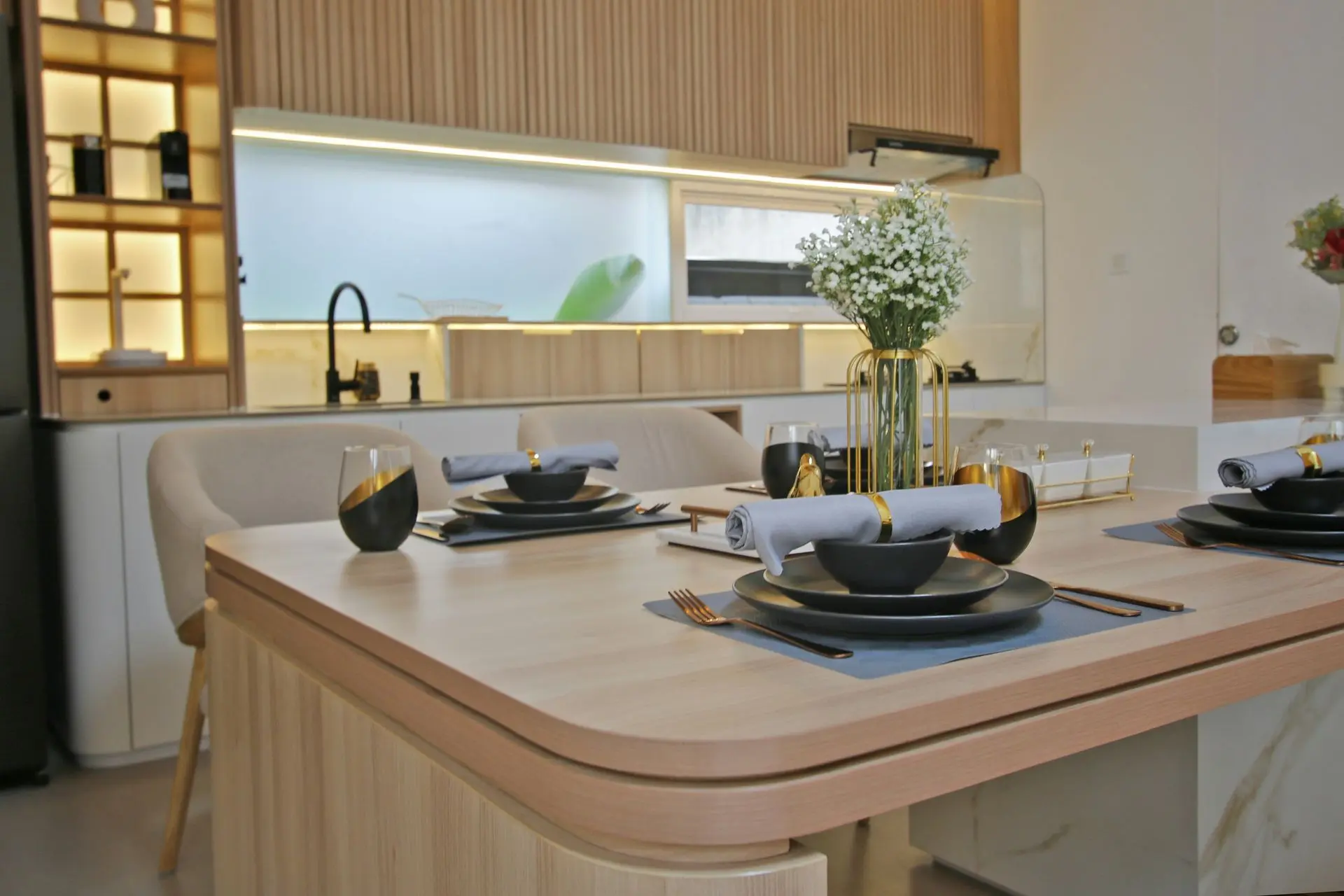
Wardrobes
Strips of LEDs in your wardrobes assist you in locating clothes. They also produce a luxury boutique ambience.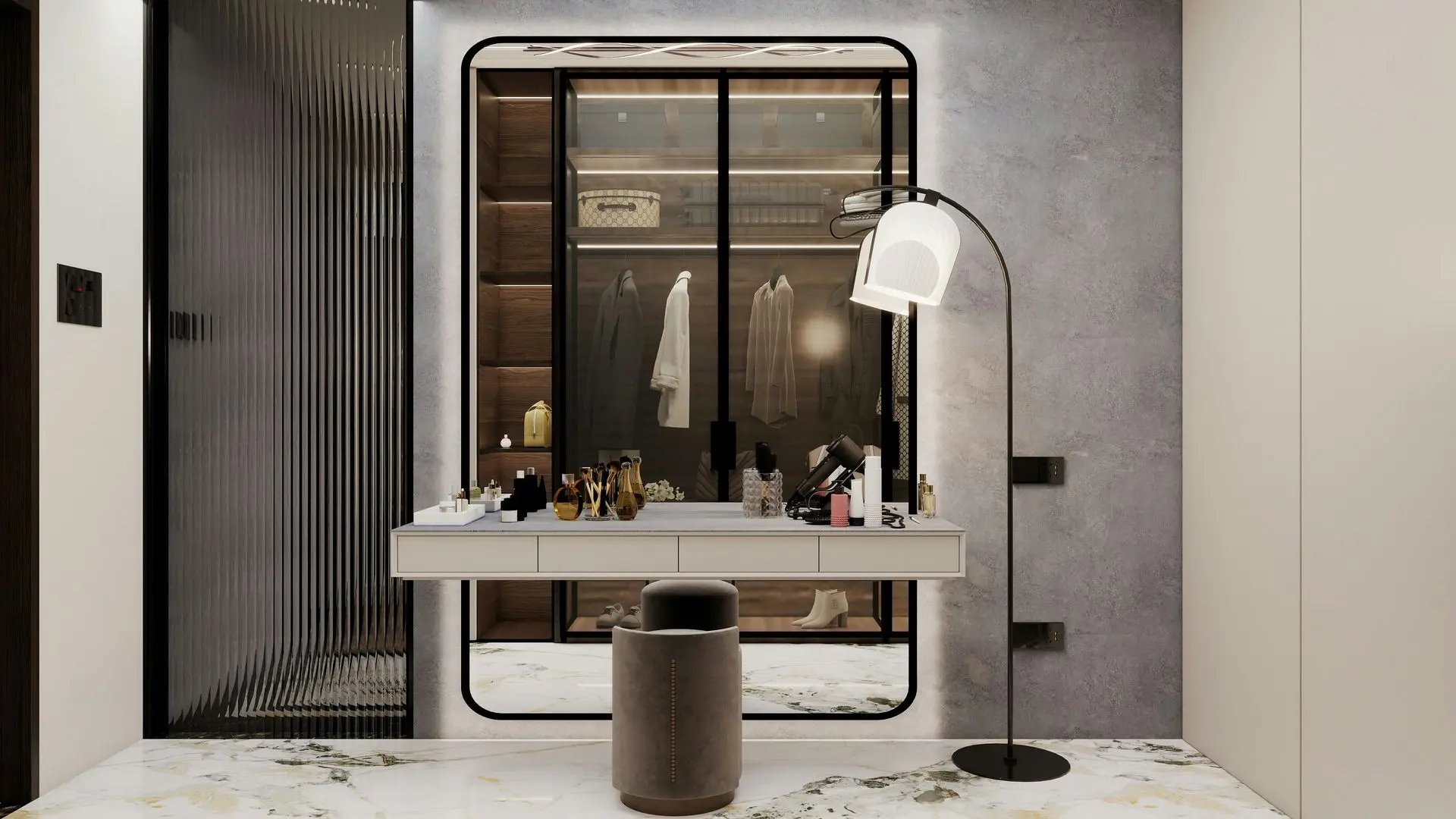
Living Rooms
LED lighting can be used in shelves and TV units to emphasize the decoration items and give them depth.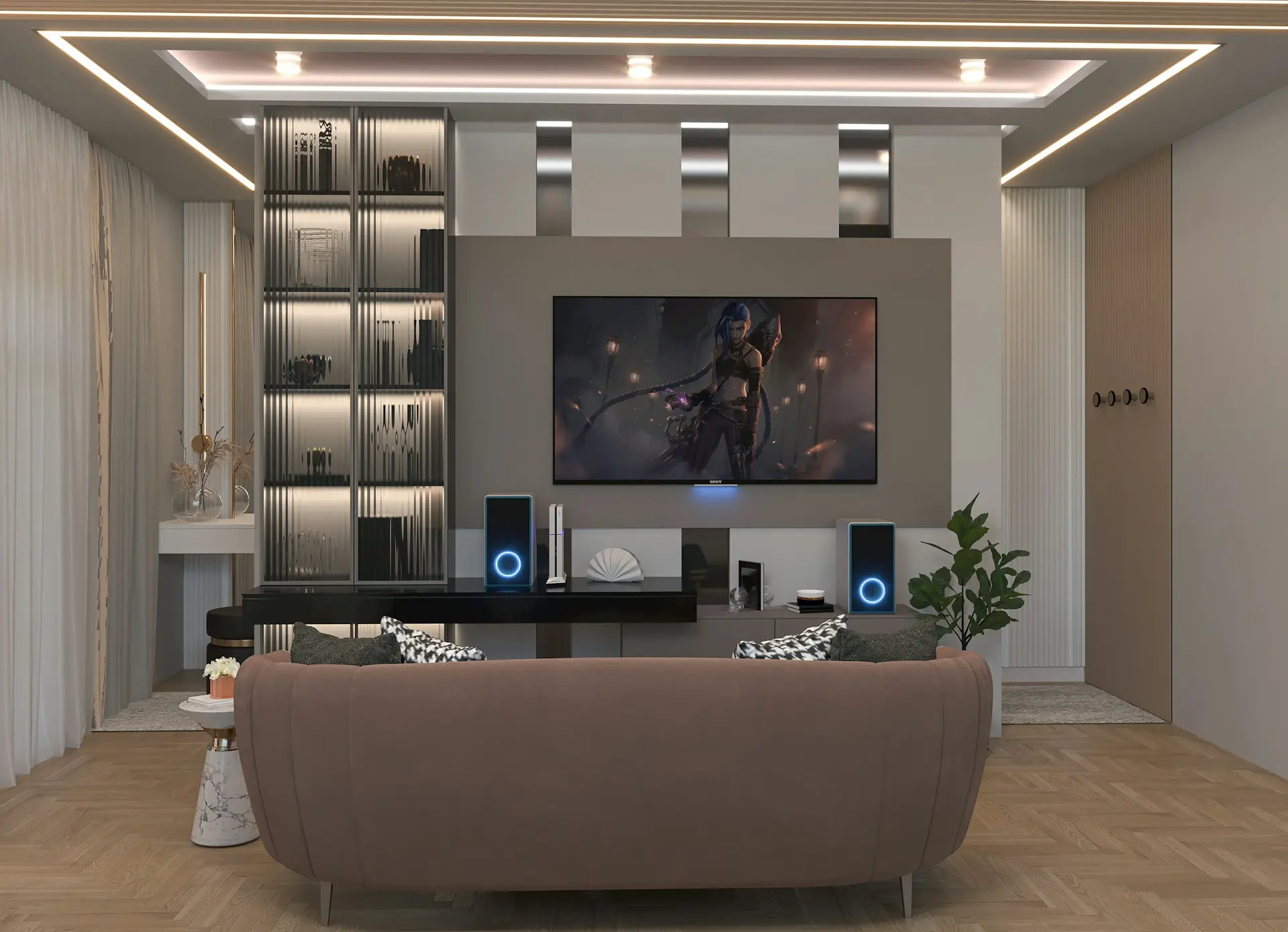
Every application enhances functionality and design simultaneously.
Installation Tips for Beginners
When installing LED millwork lighting for the first time, proper planning and patience will greatly influence the final result.
Begin by designing the lighting plan prior to cutting any wood. Choose the specific location where you want the light to be placed, like under shelves, inside cabinets, or along edges. After routing has begun, it is difficult to make changes.
Aluminum channels should be used instead of directly mounting LED strips into wood. This safeguards the LEDs, allows better heat regulation, and provides a far more refined look.
Make sure to measure accurately before routing channels. A slight error in depth or width may lead to difficulties in fitting in the future.
Select an appropriate type of diffuser according to your objective. Frosted or opal diffusers are preferred in case you desire soft and smooth lighting. Clear diffusers are more effective when brighter and direct light is needed.
Have all wiring concealed and tidy. Plan cable routes in advance so that when the wires are installed they are not seen or disheveled. Also ensure the driver is in an accessible and ventilated place.
Lastly, check the lighting and then do the final fixing. Switch it on, look for dark spots or uneven brightness, and adjust accordingly. This will prevent post-installation problems.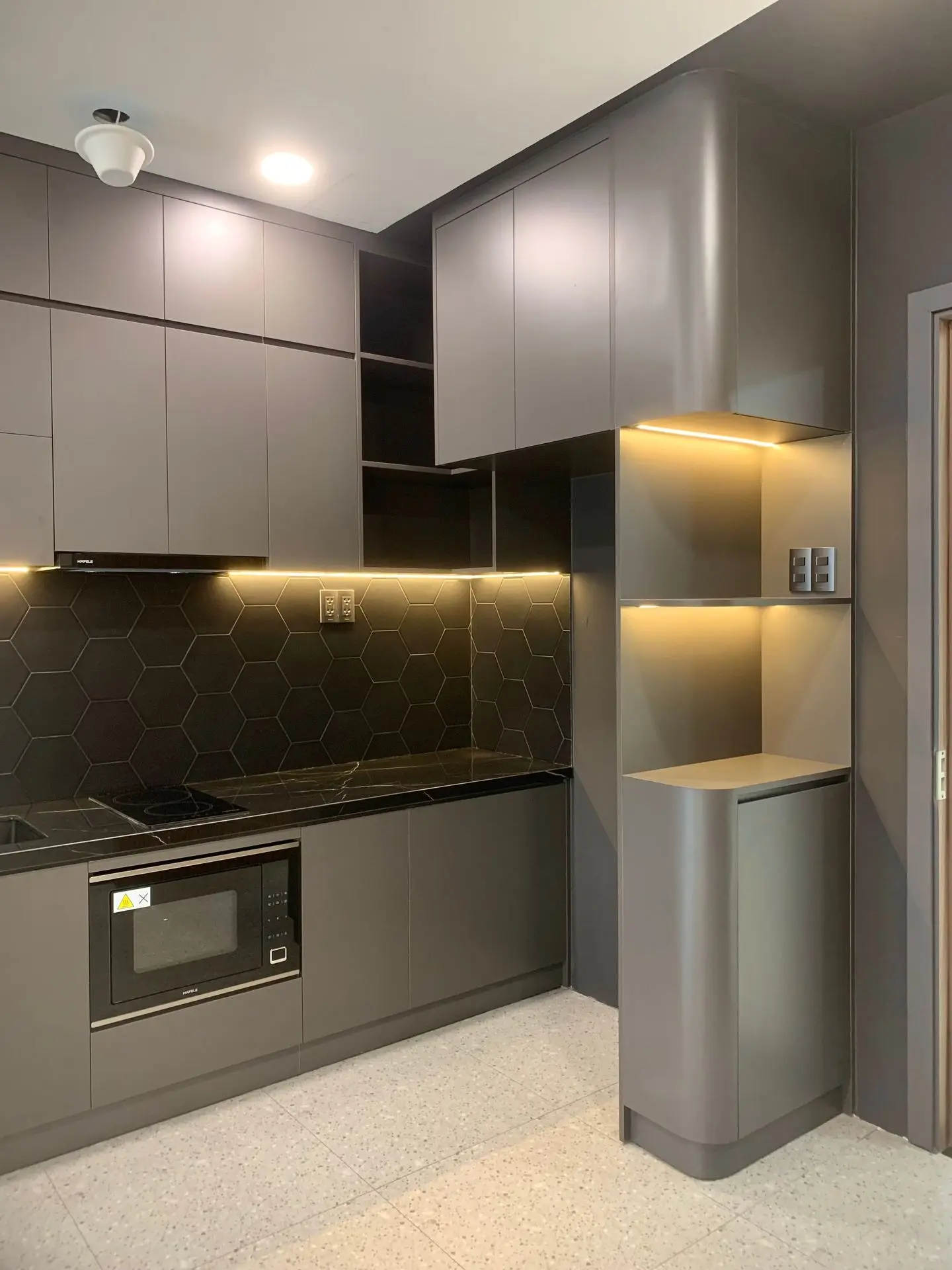
LED Millwork Lighting Cost Breakdown
Component | Description | Estimated Cost Range (USD) |
LED Strip Lights | Primary lighting (warm/neutral/cool) | $5 – $25 per meter |
Aluminum Profiles | Heat control + clean installation channel | $8 – $30 per meter |
Diffusers | Tapers light and eliminates LED dots | $3 – $15 per meter |
Power Supply (Driver) | Transforms power to LED system | $10 – $60 per unit |
Wiring & Accessories | Connectors, cables, small fittings | $5 – $20 per setup |
Installation Labor | Installation and routing of professional work | $20 – $100+ per hour |
Custom Routing Work | Precision millwork cutting | $50 – $200+ depending on project |
Control Systems (Optional) | Dimmers, smart controls, sensors | $15 – $150+ |
Common Mistakes to Avoid
Many people make simple errors that influence end results.
Avoid these:
- Installation of LEDs without aluminum profiles.
- Ignoring heat ventilation
- Excessively bright or too dark light.
- Incorrect routing depth
- Poor diffuser selection
Brightness and comfort should be balanced. Excessive lighting causes glare and insufficient lighting makes it less usable.
The lighting of good millwork is never artificial.
Expert Tips from Belosso
We consider LED millwork lighting as engineering and art at Belosso. We do not just “install lights” in cabinetry. We shape the light behavior within wood, its distribution on surfaces, and how it contributes to the overall space experience. These little details are what distinguish an average installation from a really high-end interior.
The following are professional tips from our team that assist you in getting a high-end professional finish:
1. Always Design Light Before You Design Furniture
Lighting is not the last thing we do. We will do LED millwork lighting concurrently with the layout of cabinetry. This will prevent routing problems, dark spots and brightness discrepancies in the future. With early light design, everything fits in without compromise.
2. Master Light as a Designer, not a Technician
The majority of individuals simply consider brightness. We consider feeling, orientation, and depth. A dim light beneath a shelf is warm. Modern structure is provided with a sharp edge line. We can always pose one question: What should this light make the user feel?
3. Accurate routing is better than guesswork
We use precise routing dimensions, as any error of 1-2 mm can disrupt alignment. Clean grooves make your aluminum profiles fit like a glove, and that makes your cabinetry look like a seamless luxury finish.
4. Do not Cut Corners when it comes to heat management
We never cease saying it: that heat ignored is a life-cutter for your whole lighting system. This is the reason why we consistently use LED strips together with the appropriate aluminum channels. It maintains the performance at the same level and secures your long-term investment.
5. Final Look is Determined by Diffuser Choice
We selectively align diffusers to design intent. We use opal diffusers in case you want a soft luxury glow. If you prefer sharp contemporary lines, we customize with frosted or clear options. This small choice completely changes the visual result.
6. Maintain Lighting throughout the Space
In a single project, we do not confuse random color temperatures. Regularity brings about visual harmony and serenity. We keep the entire millwork system aligned with a single design language, whether warm or neutral.
7. Conceal All Things, Disclose Light
We have a basic philosophy: the user must see light, not the system. We conceal wiring, drivers, and other technical components within clever compartments to ensure that the end product feels effortless and clean.
We think that exceptional LED millwork lighting should be unseen in structure but strong in experience at Belosso. When properly done, the furniture does not simply appear more beautiful—it breathes; it is purposeful; it is high-quality.
Conclusion
LED millwork lighting turns simple cabinetry into a contemporary, practical and aesthetically rich design element. You enhance usability, minimize clutter and make a high-end interior experience through straightforward yet accurate integration.
By planning routing, selecting the appropriate aluminum profiles, and selecting appropriate diffusers, you create longer-lasting and better-performing lighting. The minutiae are important, including the depth of grooves and the position of wiring.
At Belosso, we design and manufacture our LED millwork lighting solutions, combining precision engineering with design. Our priorities are clean installation, durability, and contemporary design that suits the current interiors.
Interested in professional LED integration of your cabinetry or millwork? Contact us today. Our Belosso team will assist you in creating lighting that appears smooth, works effectively, and provides an overall upgrade to your entire space with a modern luster.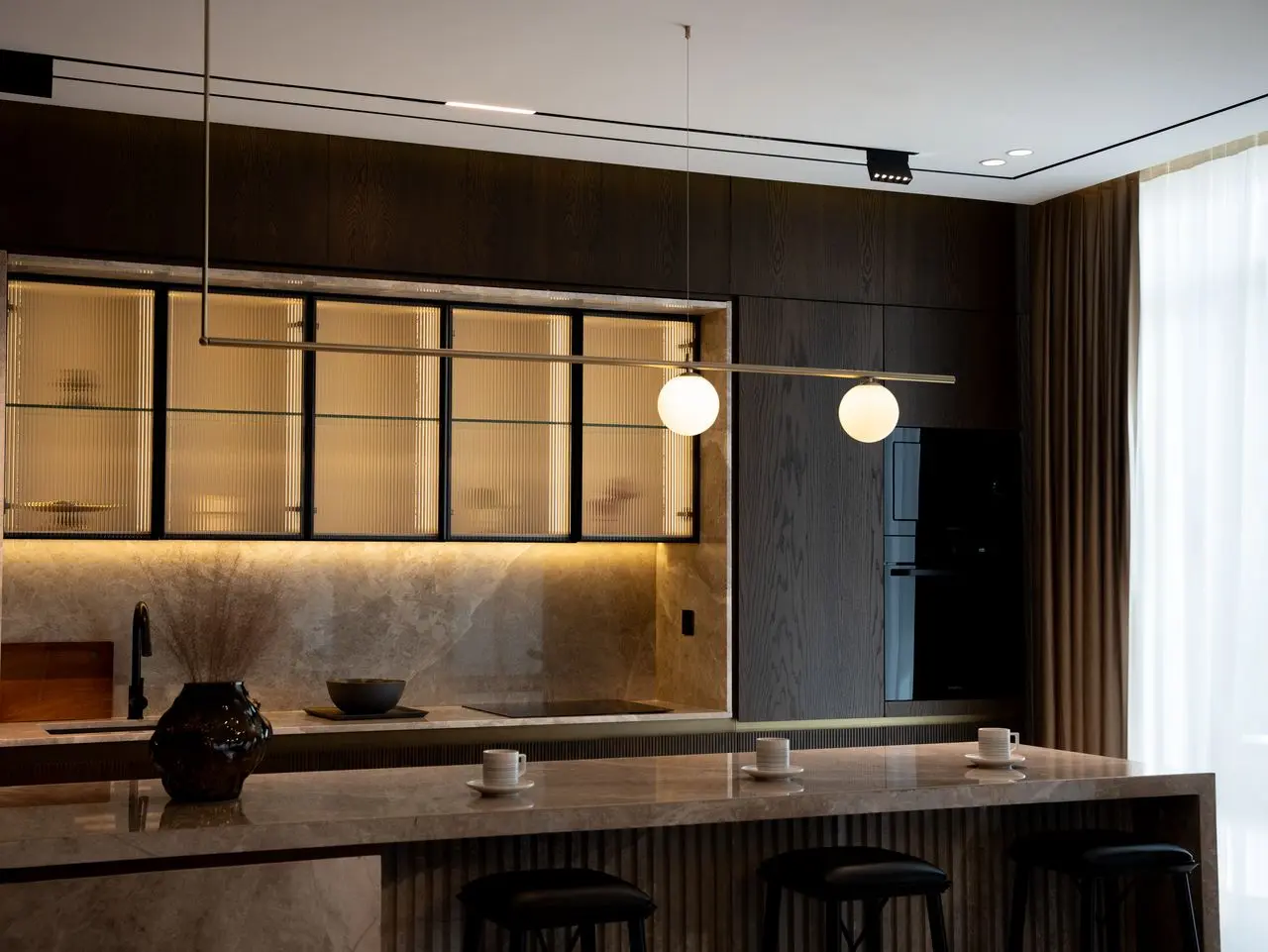
FAQs
1. What is LED millwork lighting used for?
You apply it to add lighting to cabinets, shelves, wardrobes, and furniture to make it easier to see and more attractive.
2. Do I need aluminum profiles for LED strips?
Yes. Aluminum profiles regulate heat, shield LEDs and enhance lifespan.
3. What is the best diffuser to use with cabinets?
Opal diffusers are the best, as they produce a smooth and dot-free light.
4. Would it be possible to install LED lighting in the existing cabinets?
Yes, though you might need to route or use surface-mounted profiles for the structure.
5. How long do LED millwork lights last?
Well installed high-quality LED strips can last 30,000 to 50,000 hours.
6. Is LED lighting harmful to wood?
No, it is not harmful when you apply good heat management, such as aluminum channels.