Fire safety is an issue for all buildings. From the development of a hotel project to the design of an office building, the development of a healthcare facility, and the construction of luxury residential spaces, fire protection should remain at the heart of the planning process.
Fire rated millwork contributes to fire protection and building code compliance and safety objectives. It is a blend of design, durability and tested fire performance to make commercial and residential spaces safer.
At Belosso we know that architects, developers, contractors, and procurement teams require building materials that are a combination of appearance, performance, and compliance. Fire-resistant millwork is a significant factor in helping to achieve those objectives.
This guide aims to explain fire-rated millwork materials, certifications, global fire standards, testing methods and code requirements in simple terms to help you make informed project decisions.
What Is Fire-Rated Millwork?
Fire-rated millwork are architectural woodwork products developed and tested to reduce fire spread and enhance building safety.
Standard millwork is primarily concerned with the look and function. Fire rated millwork offers enhanced protection through the use of fire-resistant materials and certified manufacturing processes.
Millwork products can include the following:
- Wall panels
- Doors and frames
- Cabinet systems
- Reception counters
- Built-in storage systems
- Decorative wood paneling
- Interior partitions
- Architectural feature elements
In the event of a fire starting in a building, certified fire-resistant materials slow the fire's spread. This additional time is used to assist with evacuation and emergency response.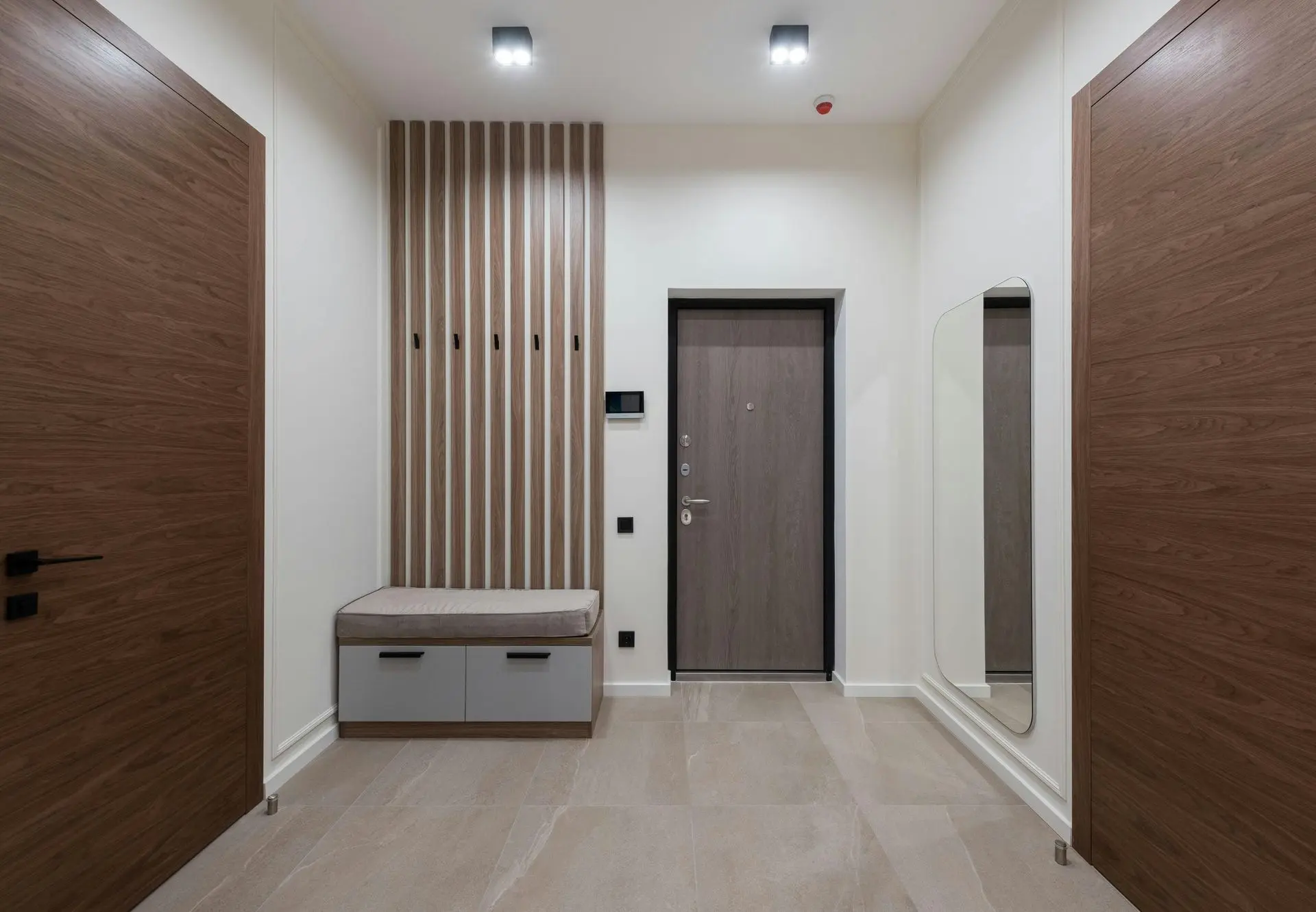
How Fire Rated Millwork Differs From Standard Millwork
Feature | Standard Millwork | Fire Rated Millwork |
Fire resistance | Minimal | Tested fire performance |
Compliance support | Limited | Supports building codes |
Material selection | Standard wood products | Fire-resistant materials |
Certifications | Usually not required | Third-party testing required |
Commercial suitability | Basic applications | High-performance projects |
Fire rated millwork does not mean that buildings are fireproof. Rather, it is used to help manage the spread of fire and to assist with building protection systems.
Why Fire Rated Millwork Matters in Modern Construction
The building codes are increasingly stringent, both globally and locally. Now, developers and project teams pay more attention to protecting the occupants and reducing long-term risks.
Fire-rated millwork plays a role in achieving those objectives in several ways.
Improves Occupant Safety
Fire emergencies can occur rapidly. Fire-rated materials can help slow fire spread and provide additional evacuation time.
For instance, hospitals need additional fire protection because patients often need help in case of a fire. Schools, hotels, and airports are other locations that rely on enhanced fire safety planning.
Supports Building Code Compliance
Building inspectors take fire protection requirements very seriously.
Projects that do not pass compliance testing may be subject to:
- Construction delays
- Redesign costs
- Permit problems
- Increased liability risks
Selecting tested millwork products early helps minimize those challenges.
Reduces Fire Spread
Fire will spread quickly in combustible materials.
Certified fire-rated materials reduce the spread of heat and flames. This protection can minimize the damage to the structure.
Supports Insurance Requirements
Fire protection systems may be a component of a risk assessment performed by insurance providers.
Enhanced fire safety planning could help streamline project approvals and minimize future operational risks.
Protects Long-Term Property Value
Structures that have been created to be secure and code compliant tend to have a higher long-term value.
At Belosso, we specialize in millwork solutions that enable durability, compliance goals and modern architect requirements.
Materials Used in Fire Rated Millwork
Not all wood products are alike when exposed to fire.
The manufacturer uses special materials to enhance resistance and certification compliance.
Fire Resistant MDF (Medium Density Fiberboard)
Fire-resistant MDF is made with additives designed to enhance fire resistance.
Fire-resistant MDF is a popular option for project teams because they like to use it for:
- Wall panels
- Decorative interiors
- Commercial cabinetry
- Hospitality projects
Advantages include:
- Smooth surface finish
- Good machining capability
- Better fire performance than standard MDF
Fire Rated Plywood
Fire rated plywood is treated in such a way that it retards the spread of fire.
Fire-rated plywood is commonly used by developers in:
- Commercial interiors
- Institutional buildings
- Educational facilities
- Office developments
Benefits include:
- Structural strength
- Improved fire resistance
- Design flexibility
Gypsum Core Components
Gypsum contains chemically bound water that helps slow heat transfer during fire exposure.
Gypsum slowly gives off moisture when exposed to fire. This process reduces the heat transfer.
Common applications include:
- Partition systems
- Wall assemblies
- Fire-resistant architectural features
Fire Resistant Laminates
Laminates provide durability and help meet compliance requirements.
Today's fire-resistant laminates are also available in appealing finishes for luxury hospitality and commercial applications.
Mineral Core Panels
As mineral core materials are more resistant to combustion than many traditional materials, they enhance fire performance.
Architectural teams frequently design mineral-core systems for projects with higher fire protection demands.
Treated Hardwood and Veneers
Hardwood fire resistance can be enhanced with special treatment methods.
These solutions enable architects to keep high-quality aesthetics while still achieving safety requirements.
Intumescent Materials and Protective Coatings
Intumescent coatings swell when heated.
This expansion forms an insulating layer and prevents the damage of materials under it.
These systems are often installed in high-end commercial projects to enhance fire performance.
Fire Resistance Ratings Explained
Fire ratings are a way of determining the time materials can withstand in a controlled fire test.
Many people misunderstand fire ratings.
A fire resistance of 60 minutes means the material can withstand fire for that duration, but it may still be damaged. It indicates that the assembly has been tested to prove that it meets the required performance levels for that period of time.
Common ratings include:
Fire Rating | Typical Use |
20 minutes | Interior openings |
45 minutes | Corridors and partitions |
60 minutes | Commercial applications |
90 minutes | High-risk areas |
120 minutes | Critical protection zones |
The rating is dependent on the project requirements.
The protection needs of a luxury hotel project could be different than a small office renovation.
Always check local code requirements before specifying products.
Fire Rated Millwork Certifications Explained
Certifications assure us that products have undergone safety testing.
Third-party verification is important because without testing evidence, manufacturers can't simply state that something is fire-resistant.
Commonly, certification systems assess the following:
- Flame spread
- Heat resistance
- Smoke development
- Structural performance
- Material integrity
Why Certifications Matter
Confidence in certified products.
Contractors and architects can browse documentation prior to installation.
Records of certification are also useful in:
- Permit approvals
- Inspections
- Procurement reviews
- Compliance audits
Third-Party Testing Verification
Independent laboratories conduct controlled testing.
These organizations test to ensure that products perform as needed.
Testing decreases uncertainty and helps to hold people accountable.
Product Documentation Requirements
Adequate documentation will contain the following:
- Fire classification reports
- Testing certificates
- Compliance documentation
- Material specifications
- Manufacturing information
As part of the Belosso procurement team, we know that you require documentation that you can rely on for project approvals and compliance planning.
Global Fire Standards Overview
International projects may have several compliance systems.
The fire requirements for a hospitality project in Europe can differ from those of a commercial tower in North America.
Global standards are important for developers to know and to help prevent them from making costly mistakes.
North America Fire Standards
Popular North American projects are the following:
ASTM Standards
ASTM testing standards measure the following:
- Flame spread
- Material performance
- Fire endurance
NFPA Requirements
The NFPA guidance can be used in various building applications for fire safety planning.
International Building Code (IBC)
The IBC applies to fire protection standards for various building projects.
European Fire Standards
The Euroclass system is widely used in Europe.
The classification of materials according to Euroclass is based on:
- Fire contribution
- Smoke production
- Burning particle behavior
Common categories include:
Euroclass Rating | Performance Level |
A1 | Non-combustible |
A2 | Very limited combustion |
B | Limited contribution to fire |
C | Moderate fire performance |
D | Acceptable fire behavior |
E | Basic compliance |
F | Unclassified |
United Kingdom Fire Compliance Standards
In UK construction projects, it is common to refer to
- British Standards (BS)
- Approved Documents to the Building Regulations
- UK projects often follow Building Regulations Approved Document B alongside British Standards requirements.
When designing a commercial building, it is important to plan the fire strategy carefully.
Middle East Fire Safety Regulations
Fire compliance requirements are further being enhanced in large hospitality and mixed-use developments throughout the Middle East.
Developers often review:
- Fire Code structures in the UAE
- GCC regional standards
- Local municipality requirements
Asia-Pacific Fire Compliance Requirements
Fire safety requirements vary significantly across Asia-Pacific countries.
Different countries can use different criteria, based on:
- Building occupancy
- Construction type
- Project scale
Multi-standard compliance planning is often needed for large international developments.
Why Global Projects Need Multi-Standard Compliance
Global construction projects are seldom built according to one standard.
An international hotel project can include:
- Regional regulations
- International consultant requirements
- Insurance standards
- Brand compliance guidelines
At Belosso, we know that international projects require careful coordination between design goals, safety requirements and certification expectations.
Building Code Compliance for Fire Rated Millwork
Building codes are in place to ensure the safety of people.
Compliance should never be an afterthought for project teams.
Commercial Buildings
Businesses tend to need more robust fire protection plans.
Certified materials may be required for office towers, retail developments, and mixed-use projects.
Hospitality Projects
Hotels face unique fire safety challenges.
Guests may not be familiar with evacuation routes.
Fire-resistant systems contribute to better protection planning.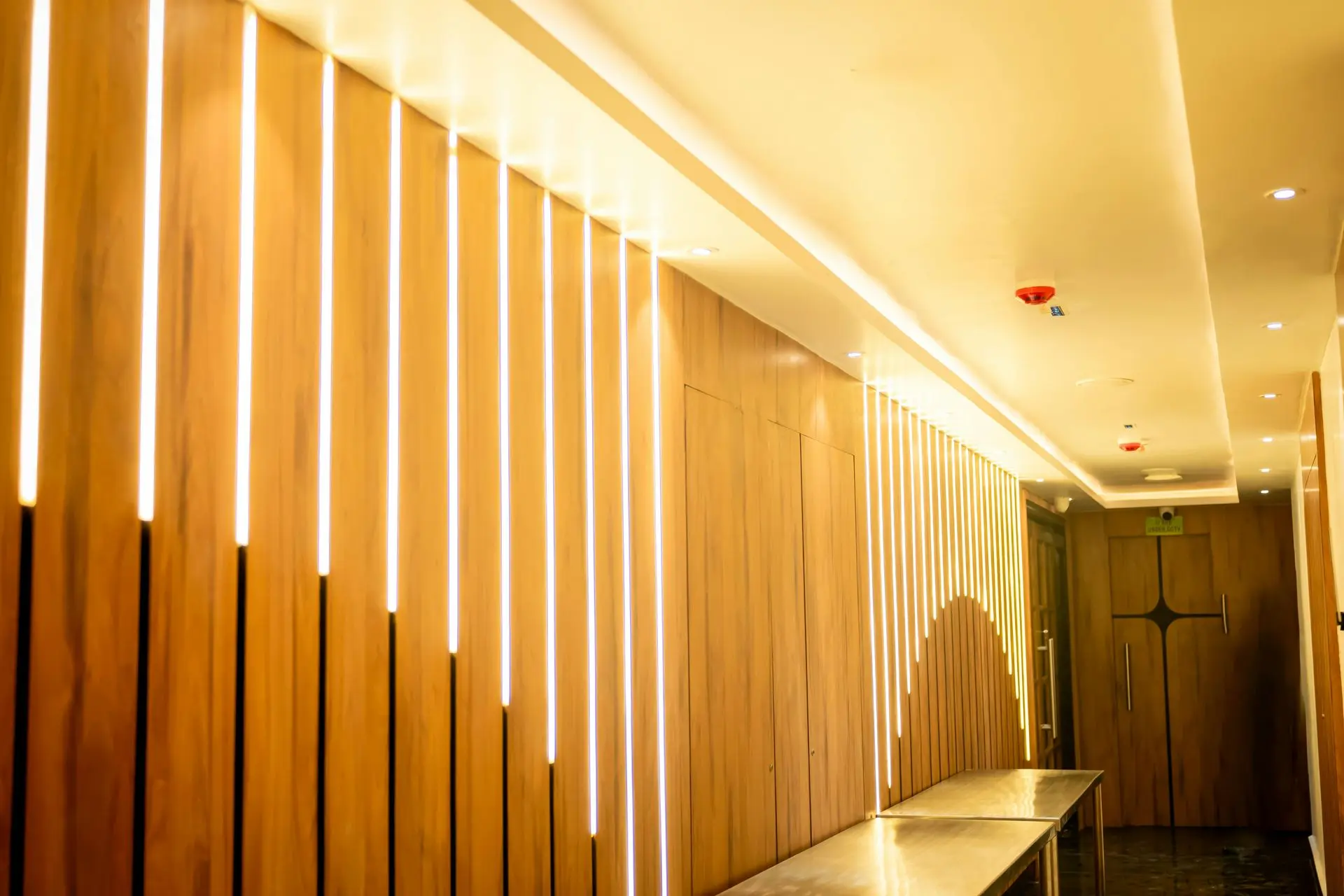
Healthcare Facilities
Hospitals often need advanced fire safety systems.
Stricter compliance expectations are due to patient safety.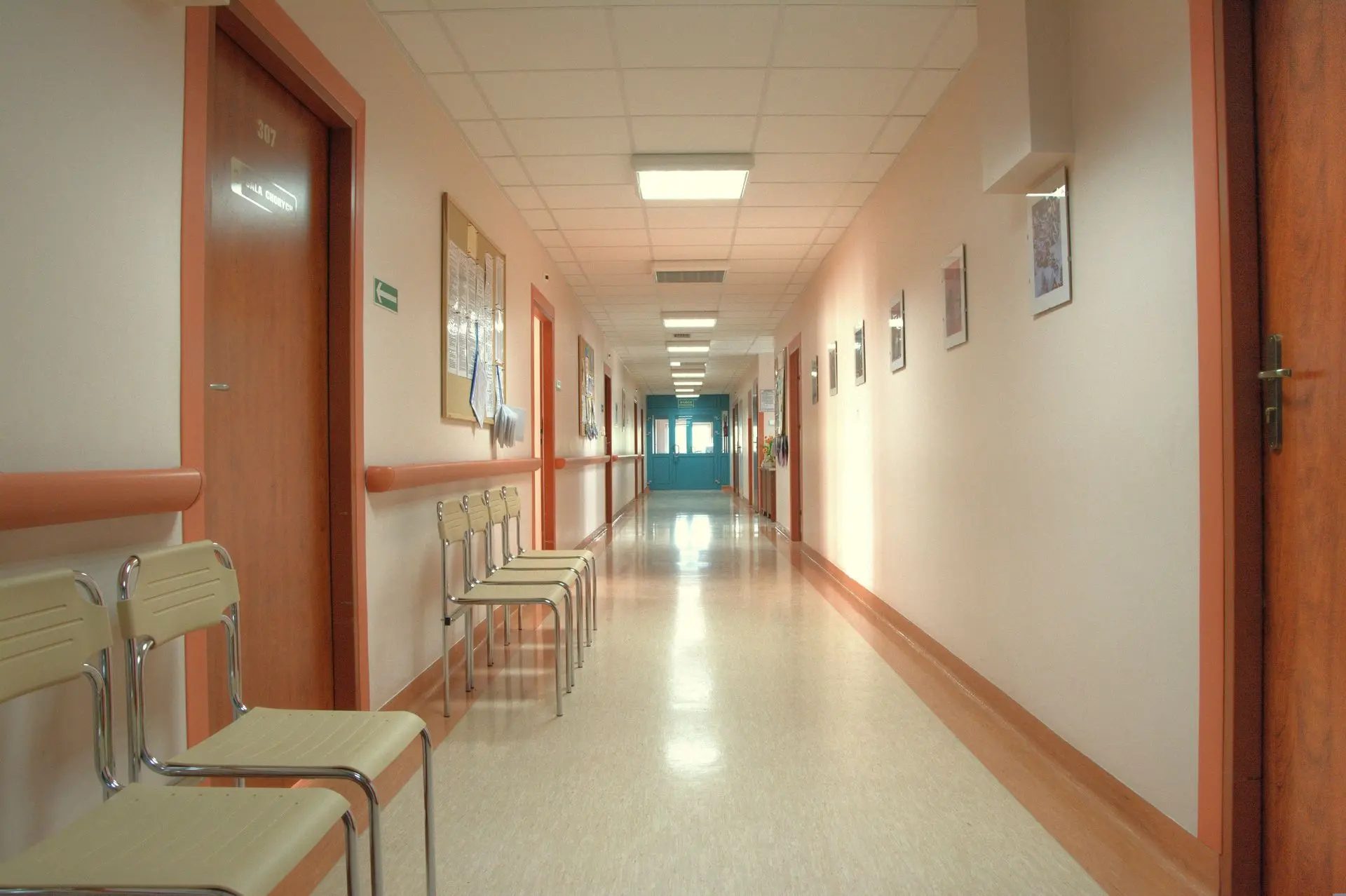
Educational Facilities
Fire protection planning is necessary in schools because a large number of people are in the buildings on a daily basis.
Said materials can be used to help create a safer learning environment.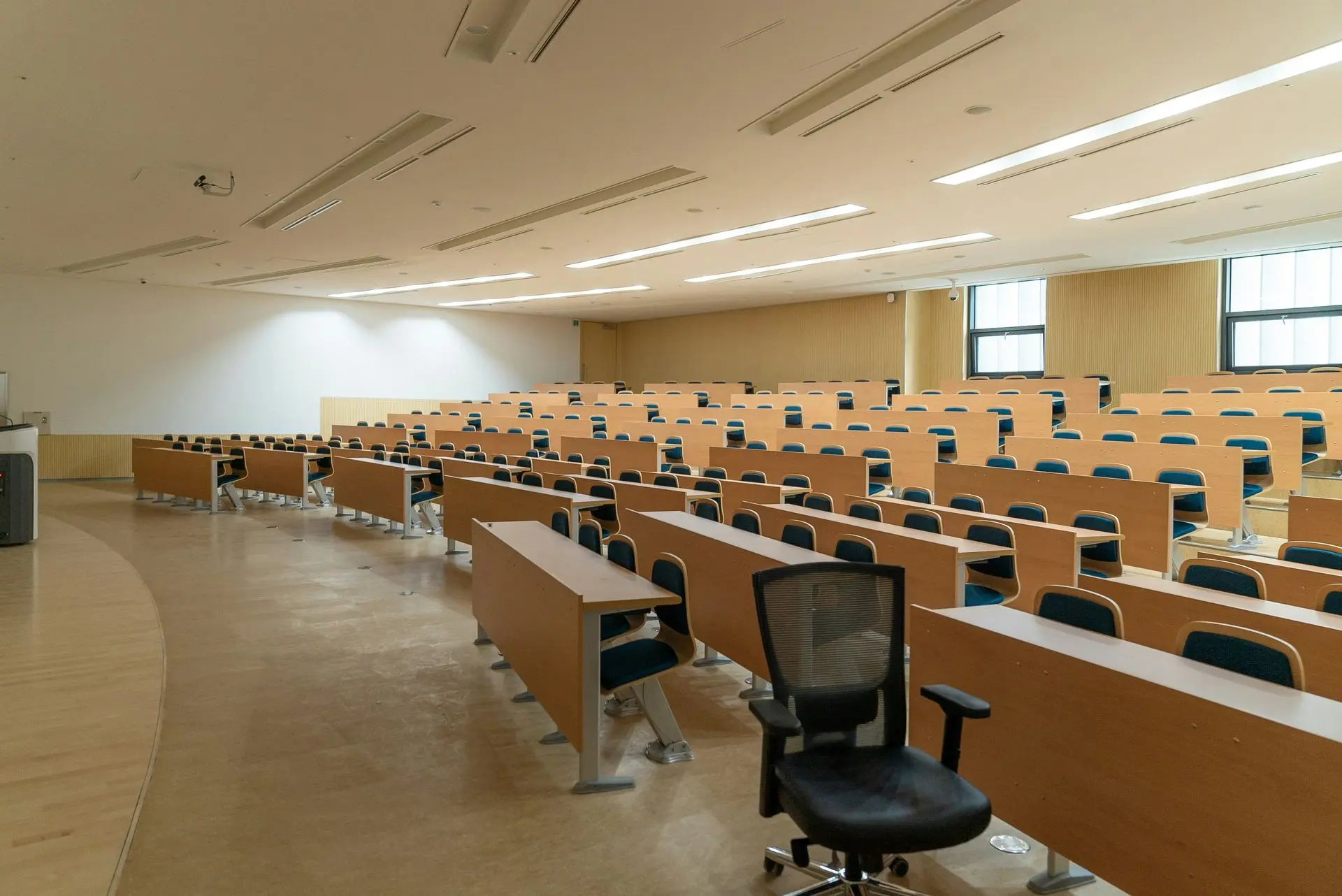
High-Rise Buildings
Evacuation is more complicated in high-rise developments and may require more stringent code requirements.
You should always check the requirements of the local area before selecting materials.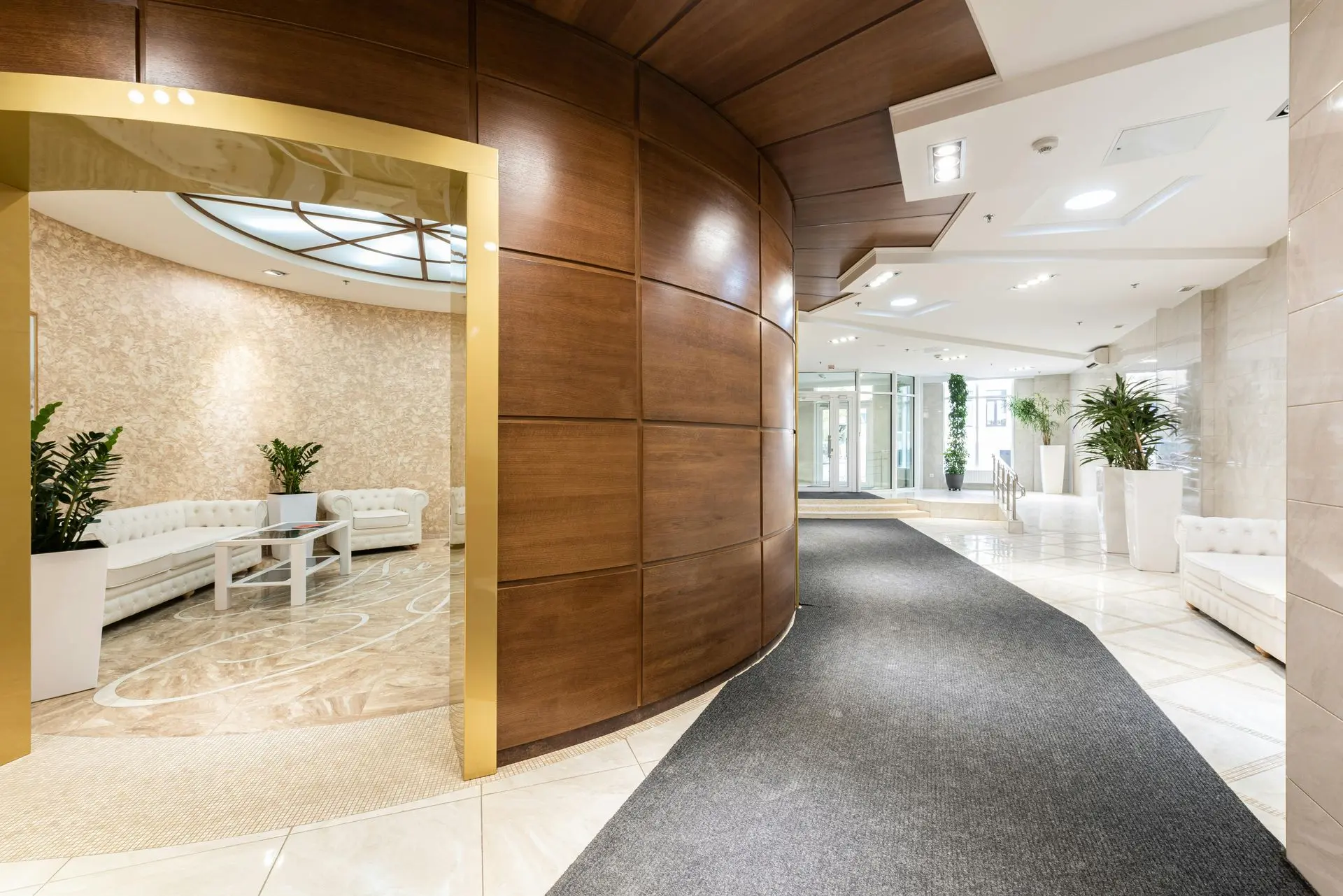
Fire Testing Methods Used for Fire Rated Millwork
Testing validates performance. Some of the most common evaluation techniques are the following:
Flame Spread Testing
This is a test to measure the speed at which flames propagate along the surface of the material. Lower flame spread values generally indicate better fire performance.
Smoke Development Testing
Smoke poses a serious hazard during fire.
Testing is an assessment of smoke production behavior.
Structural Integrity Testing
Fire exposure can compromise building materials.
Integrity testing measures performance under extreme conditions.
Heat Transfer Resistance
The measure of heat transfer evaluation is the ability of materials to retard the transfer of heat.
Fire Resistance Performance Testing
Controlled testing environments test the performance of materials when exposed to fire.
These evaluations support certification systems and code compliance planning.
How to Select Fire Rated Millwork for Your Project
There is a need for planning when it comes to selecting the right solution.
Understand Local Codes
Always check with local building requirements first.
There are different regulations in various areas.
Review Certification Documents
Ask for test results prior to purchasing.
Verify certification validity.
Match Materials to Building Type
There is no one solution that works for all projects.
Example:
Building Type | Recommended Focus |
Hospital | Maximum protection |
Hotel | Compliance and aesthetics |
Office | Balanced performance |
Airport | High durability |
Consider Design Goals
Fire safety should go hand in hand with aesthetics.
Modern fire-rated systems allow for high-quality visual design.
Verify Manufacturer Support
Effective supplier support contributes to excellent project execution.
At Belosso, we help project teams with documentation, planning support, and compliance solutions for millwork.
Common Mistakes to Avoid
We avoid mistakes, which means that we reduce the risks associated with the project.
Choosing Non-Certified Products
Do not presume materials are compliant.
Always verify certifications.
Ignoring Local Codes
In the case of global projects, there are multiple regulations.
Local needs remain important.
Focusing Only on Appearance
Design matters.
Safety matters more.
Good projects achieve a balance of the two priorities.
Assuming All Fire-Resistant Materials Perform Equally
The performance of various materials varies.
Thoroughly review testing documentation.
Fire Rated Millwork Trends in 2026
The industry is still changing.
Major trends include:
Sustainable Fire-Resistant Materials
Environmentally conscious building materials are in high demand by developers.
Advanced Composite Technology
Modern composites are continually advancing fire performance capabilities.
Digital Compliance Systems
Documentation processes are ongoing and increasingly digitized.
Global Compliance Alignment
International projects are moving towards more coordinated compliance.
Expert Tips for Better Fire Protection Planning
Industry experts suggest:
- Early review of fire requirements.
- Coordinate compliance planning in the design phases
- Verify certification records
- Choose experienced suppliers
- Be sure to carefully document material approvals.
Planning ahead helps to minimize future problems.
Real Example: Hotel Development Planning
Imagine a luxury hotel development.
The project includes:
- Guest rooms
- Corridors
- Lobby feature walls
- Reception counters
The development team chooses certified fire-rated millwork systems.
Those decisions support:
- Fire protection planning
- Compliance approvals
- Insurance expectations
- Premium design goals
Safety and beauty go hand in hand.
That balance results in better long-term project performance.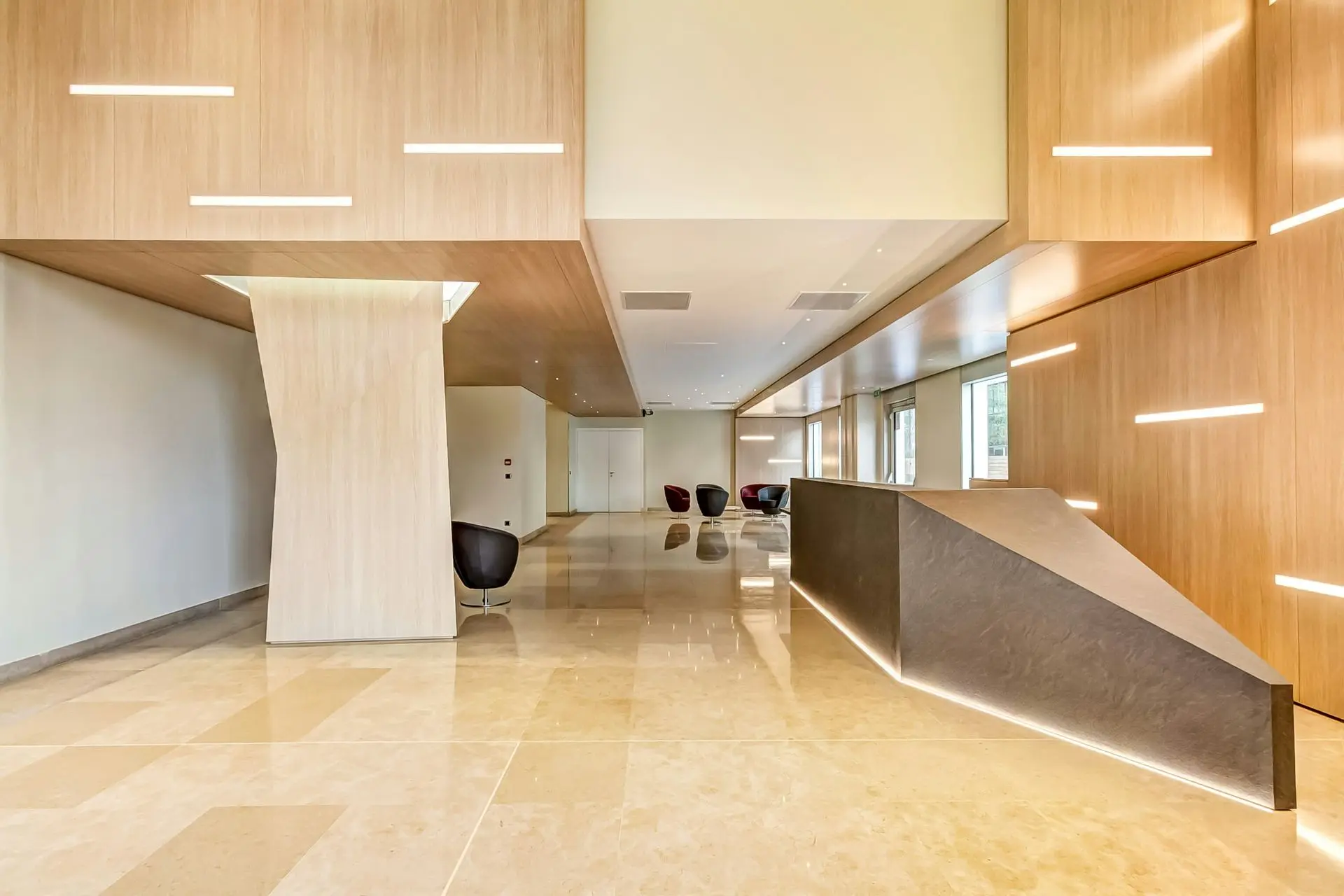
Conclusion
Fire safety impacts all building projects. Choices of materials impact compliance, protection of occupants, operational risk and long-term building performance. Fire rated millwork is an effective tool for architects, contractors, developers, and procurement teams to enhance safety strategies and meet contemporary design objectives.
At Belosso, we know that projects are successful more than just great finishes. They need performance, test certification and materials that will meet the demands of construction. From hospitality to healthcare and luxury residential to commercial spaces, the selection of the appropriate fire-rated millwork solutions can aid in better project outcomes.
For compliance-driven millwork solutions that will meet your project's performance needs and construction requirements, reach out to our staff. We provide solutions that help building professionals ensure safety, quality and long-term value.
Fire protection begins with intelligent planning. Said materials can contribute to the creation of safer environments for all.
FAQs
What is fire rated millwork?
Fire rated millwork refers to architectural woodwork products that are designed and tested to enhance the fire resistance.
Does fire rated millwork stop fires completely?
No. Fire rated systems help to reduce the spread of fire and enhance safety.
Which materials work best for fire rated millwork?
Fire-resistant MDF, fire-rated plywood, mineral core panels, gypsum systems, and treated hardwood are all common materials.
Why do certifications matter?
Certifications help verify product performance and compliance requirements.
Do all commercial projects require fire-rated millwork?
Requirements vary by building code, building type and project regulations.
Can fire-rated millwork still look premium?
Yes. Modern systems can provide luxury architectural finishes and fire performance.
How often do building codes change?
Building regulations are constantly changing.
Project teams should check the updated requirements in the planning phases.
Why do international projects require multiple standards?
Global developments may include regional codes, insurance requirements and international compliance expectations.