Custom millwork from China can help you realize your designs, manage project costs, and have access to a variety of materials and manufacturing options. But finding the right products isn't as simple as finding a factory and ordering products. Additional coordination is required for design needs, technical drawings, choice of materials, manufacturing, quality checks, and shipping to overseas locations.
This is where end-to-end project management really comes into play. It ties all phases of your project together, and your designers, manufacturers, suppliers, quality control team and logistics partners are all working toward the same end.
When you plan millwork sourcing China projects, you need a clear process to keep everyone informed and avoid costly mistakes. A slight error in measurement in the design stage can lead to production issues, and insufficient packaging can result in damage to the finished product in transit.
In this guide we’ll discuss how to manage the entire millwork sourcing process, the obstacles you can anticipate, and how the right project partner can help you take your design from start to finish.

Why Does Millwork Sourcing from China Require End-to-End Project Management?
Millwork sourcing from China involves several teams, materials, and manufacturing processes, which necessitates end-to-end project management. With the proper coordination, design accuracy, product quality, budgets and delivery schedules can be maintained.
For instance, a hotel complex can be fitted with bespoke reception desks, wardrobes, wall panels and bathroom vanities. The dimensions, materials and installation requirements vary between each product.
If not properly coordinated, you could encounter:
- Design Errors: Manufacturers misunderstand drawings or specifications.
- Material Differences: Finished products may not match approved samples.
- Production Delays: Materials are not available or instructions are not clear, which causes a halt in production.
- Quality Problems: Defects are detected at final inspections.
- Shipping Issues: Late delivery to sites due to poor scheduling.
These activities are linked together in a centralized project management process, which provides clear responsibilities for everyone.
What Does the End-to-End Millwork Sourcing Process Include?
There are six key steps within the end-to-end millwork sourcing process: project planning, design coordination, material selection, manufacturing, quality control, and international logistics. Each stage sets up information and products for the subsequent stage.
The whole process is as follows:
Project Stage | Main Activities | Expected Outcome |
Project Planning | Get to know requirements, budget, and timeline. | Clear project scope |
Design Coordination | Check layouts, dimensions and shop drawings. | Production-ready specifications |
Material Selection | Compare materials, hardware, and finishes. | Approved material choices |
Production | Schedule factory activities and production events. | Custom millwork products |
Quality Control | Examine materials, workmanship and finished products. | Products that conform to specifications |
Logistics | Package, document, ship, and coordinate delivery. | Organized international delivery |
These stages are mutually dependent. For instance, a manufacturer will not be able to create a custom reception desk without the final dimensions, materials, and construction details.
It is also important to have approvals along the way. These checkpoints enable your team to review key decisions before taking the next step.
A well-organized sourcing process is not just about finishing production. It guarantees that the completed millwork will be what you envisioned and get to your project location in good shape.
How to Coordinate Design Requirements Before Production
Design requirements should be finalized prior to manufacturing. Clear drawings, accurate measurements, material specifications, and approved finishes help manufacturers understand exactly what your project requires.
Design coordination is the process of making your creative vision and the technical details required by the factory to create your custom millwork come together.
Understand the Project Brief and Design Intent
First, provide your sourcing/making team with a full project brief. Add architectural sketches, floor plans, pictures, dimensions, material preferences, and budget.
Also describe the way in which each millwork component will be used. For instance, a hotel reception desk requires a different construction method than a decorative bedroom cabinet.
Your project brief should cover:
- Overall sizes and layouts of rooms.
- Materials and surface finishes required.
- Storage space and functionality.
- Hardware and fitting preferences.
- Lighting and electric needs.
- Installation conditions and site limitations.
For instance, if you're ordering 50 hotel room wardrobes, describe how you want the space to be organized, how much hanging space you require, what size drawers you want, the type of doors you want and the type of hardware you want. This will provide your manufacturer with a starting point.
Prepare and Review Shop Drawings
Shop drawings are the instructions for making your design. They guide manufacturers in the construction of each part, dimensions, construction, materials, and connections.
Your project team should review:
- General height, breadth, and depth.
- Thickness and edge details of the panel.
- The construction and layout of cabinets.
- Door openings, hinges and drawer systems.
- Joinery techniques & connection points.
- Details of wall fixing and installation.
Additionally, it is important to check shop drawings against architectural and MEP drawings for conflicts prior to production.
For instance, a custom wall panel might appear flawless in a 3D rendering but clash with an electrical socket or an air-con outlet when it comes to the real design. A drawing review can prevent your team from cutting the material on this issue.
- Expert Tip: Do not keep multiple approved drawing versions for production. If your designer asks you to make a change, change the drawing number and distribute the new drawing to all concerned. This ensures that factories are not working on old data. The American Institute of Architects also suggests that dimensions, details, drawing coordination and specifications be checked prior to the issuance of working drawings.
Select the Right Materials and Finishes
The type of material you choose for your millwork will impact the look, longevity, upkeep, and price.
Materials should be selected for each product based on its intended use and location.
Material | Common Applications | Main Advantage |
High-quality furniture, adornments | A natural appearance with unique wood grain patterns. | |
Cabinets, wall panels, reception desks | Natural wood look and design flexibility. | |
Wardrobes, cabinets, storage units | Easy to use and maintain. | |
Commercial counters and surfaces that are used frequently. | Durable surface options | |
Decorative cabinets and furniture are also available. | Smooth, refined appearance |
Don't choose materials solely because of how they look. Take into account moisture exposure, daily use, cleaning needs and maintenance costs.
- For instance, a vanity in a hotel should be made of material that can withstand frequent cleaning and the occasional drip of water. A decorative wall panel for a bedroom may have different performance requirements.
Ask for samples of materials and finishes prior to production. Test for color, texture, surface quality and appearance in various light conditions.
- At Belosso, we arrange material selections and physical finish samples according to your project needs, allowing you to get the crucial information before production. We offer a variety of finishes, including veneer, melamine, and lacquer, for our architectural millwork solutions.
How to Manage Millwork Production and Manufacturer Coordination in China
By setting clear expectations, production targets, and communication with your manufacturers, you can better control millwork production. Progress checks on a regular basis can help you identify delays and solve problems before they have an impact on the final delivery date.
After the drawings, materials and finishes are approved, the factory can start the production based on the agreed specification.
But there are a number of activities in production that need to be coordinated.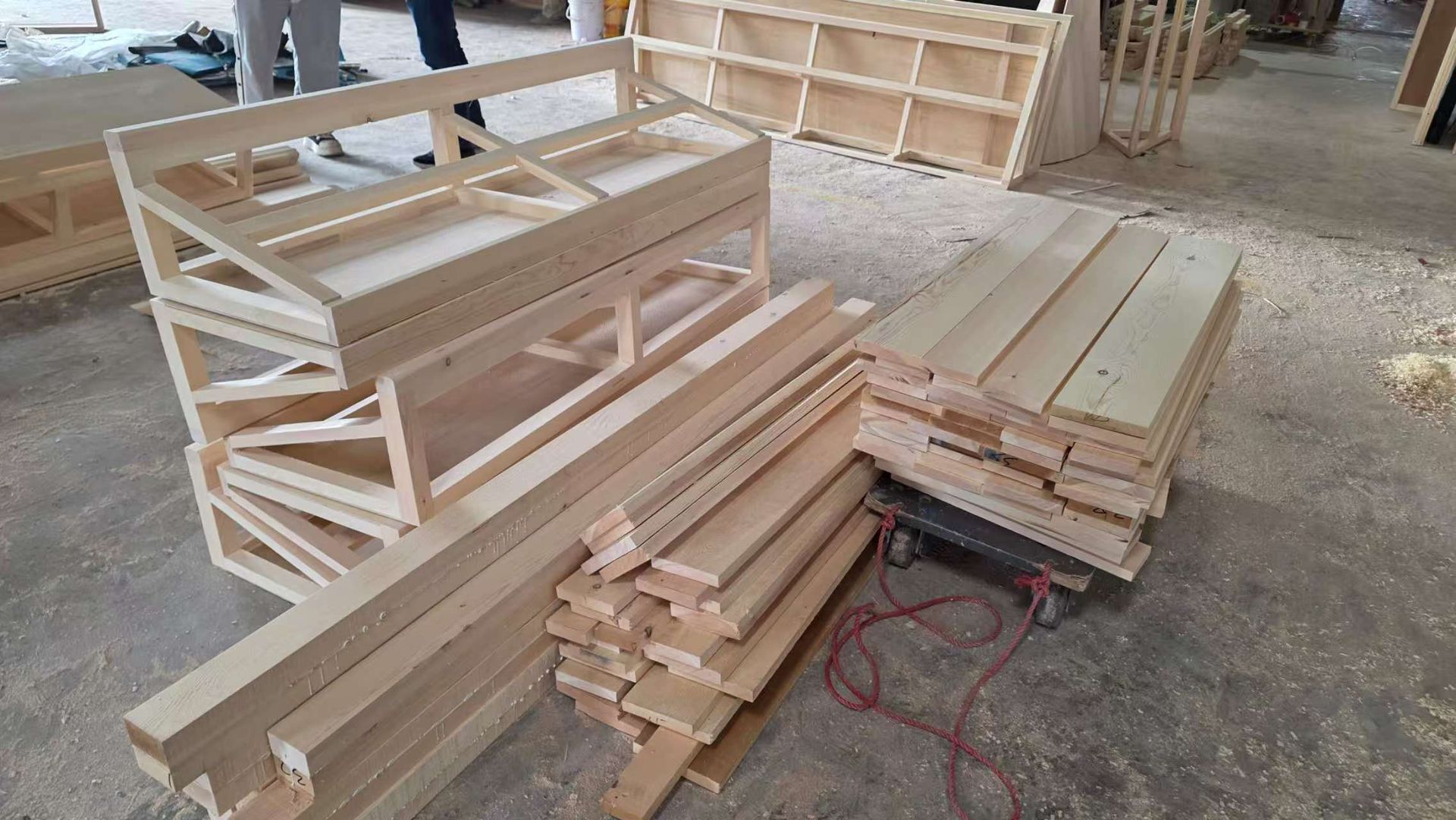
Confirm Approved Drawings and Specifications
Ensure that the factory has the most up-to-date approved drawings, material lists, hardware and finish samples before manufacturing begins.
Develop a specification sheet for each major millwork item. It should identify:
- Product sizes and numbers.
- Materials and finishes.
- Specifications or hardware brands.
- Construction and assembly information.
- Color references and approved samples.
- Packaging and labeling requirements.
For instance, if you have 80 wardrobes, 80 bathroom vanities, and 20 reception area cabinets, your manufacturer should be aware of the specification and quantity of each product.
Establish Production Schedules and Milestones
A production schedule helps you understand what is happening at each stage and when the factory expects to complete the work.
The schedule can be broken down into milestones:
- Purchase and preparation of materials.
- Cutting and machining.
- Edge finishing and surface treatment.
- Installation of assembly and hardware.
- Final finishing and checking.
- Packaging and packing for shipping.
Request your factory to give regular progress reports. It is also important to determine what activities the manufacturer needs your approval for before proceeding.
- For instance, if your project calls for special veneer finishes, check the veneer selection and matching before the factory finishes all cabinet doors.
Monitor Manufacturing Progress
Avoid waiting for the factory to complete everything before the progress check. Through regular communication, you can know the problem before the manufacturer can fix it.
You can request:
- Production photographs and videos.
- Material procurement updates.
- Sample approval records.
- Manufacturing progress reports.
- Information on cancellations and shortages of materials.
If a cabinet dimension needs to be altered during production, first determine what impact it will have on materials, costs and the production schedule. Then approve the revised specifications before the factory goes ahead.
- Expert tip: Use a single project tracker to document production milestones, approval dates, responsible team members, and outstanding issues. This helps to keep track of multiple millwork products without losing sight of individual needs.
How Does Quality Control Work During Millwork Sourcing in China?
The best quality control is to check millwork at various stages of production rather than when the factory is finished with the job. Materials should be checked prior to manufacturing, workmanship monitored during manufacturing and finished products checked before shipment.
Even a final inspection cannot rule out all problems. It is possible that if a manufacturer uses the wrong material or cuts panels too big or too small, the factory will have to remake several parts.
A staged inspection process will enable you to identify these issues earlier.
Conduct Pre-Production Quality Checks
Pre-production inspection ensure that the factory has the right materials and specifications prior to manufacturing.
Your quality control team should review:
- Type and thickness of material.
- Surface finish and color.
- Hardware specifications.
- Approved physical samples.
- Manufacturing drawings.
- The necessary dimensions and tolerances.
For instance, if a wood veneer is approved as a sample for your wardrobe, then make sure that the factory uses the same approved wood veneer for the entire production order.
This will reduce the possibility of any variance between sample and finished products.
Monitor Quality During Production
In-production inspections enable you to check workmanship before your millwork is made by the factory.
Focus on important details such as:
- Accurate cutting and machining.
- Consistent panel dimensions.
- Proper edge banding.
- Clean, properly aligned joints and connections.
- Smooth surface finishing.
- Correct hardware installation.
For instance, a reception desk can have multiple connected panels. The manufacturer may not keep precise dimensions, which can cause the panels to not line up during installation.
A production inspection allows your team to spot and fix the issue.
Complete a Final Quality Inspection Before Shipment
Final inspection ensures that the final products are in accordance with the approved specification.
A checklist of items to inspect should include:
Inspection Area | What to Check |
Dimensions | Height, width, depth and tolerances. |
Materials | Use the right type and thickness of materials. |
Finishes | Color, texture, scratches and surface defects. |
Joinery | Joint alignment and structural connections. |
Hardware | Hinges, handles, drawer slides and fittings. |
Appearance | Similarity between matched products. |
Functionality | Installation of doors, drawers and fittings. |
In larger projects, sample a representative sample of products, and pay particular attention to high-risk or custom products. Determine inspection scope and acceptance criteria in advance of production.
Record Defects and Corrective Actions
When inspectors discover a defect, make sure to take photos and provide the product details and a clear description.
Request the manufacturer to describe what caused it and what steps can be taken to correct it. The factory might have to replace, repair or refinish the affected component.
For instance, if multiple cabinet doors are not consistent in their finishes, check with the approved sample and determine if the problem is due to material or the finishing process.
- At Belosso, we make sure to coordinate production and quality checks to ensure consistency between the approved project and the final architectural millwork. Design approval, finish sampling, manufacturing, and QC are all part of our process.
How to Coordinate Packaging, Shipping, and International Logistics
Packaging and international shipping should be arranged prior to the completion of production at the factory. Good logistics coordination ensures that finished millwork is protected, export documentation is arranged, and the products are delivered to your project site as per the installation schedule.
Large, heavy, or delicate components are often part of custom millwork. Reception desks, wall panels, wardrobes, and custom cabinetry require appropriate protection when handling and transporting.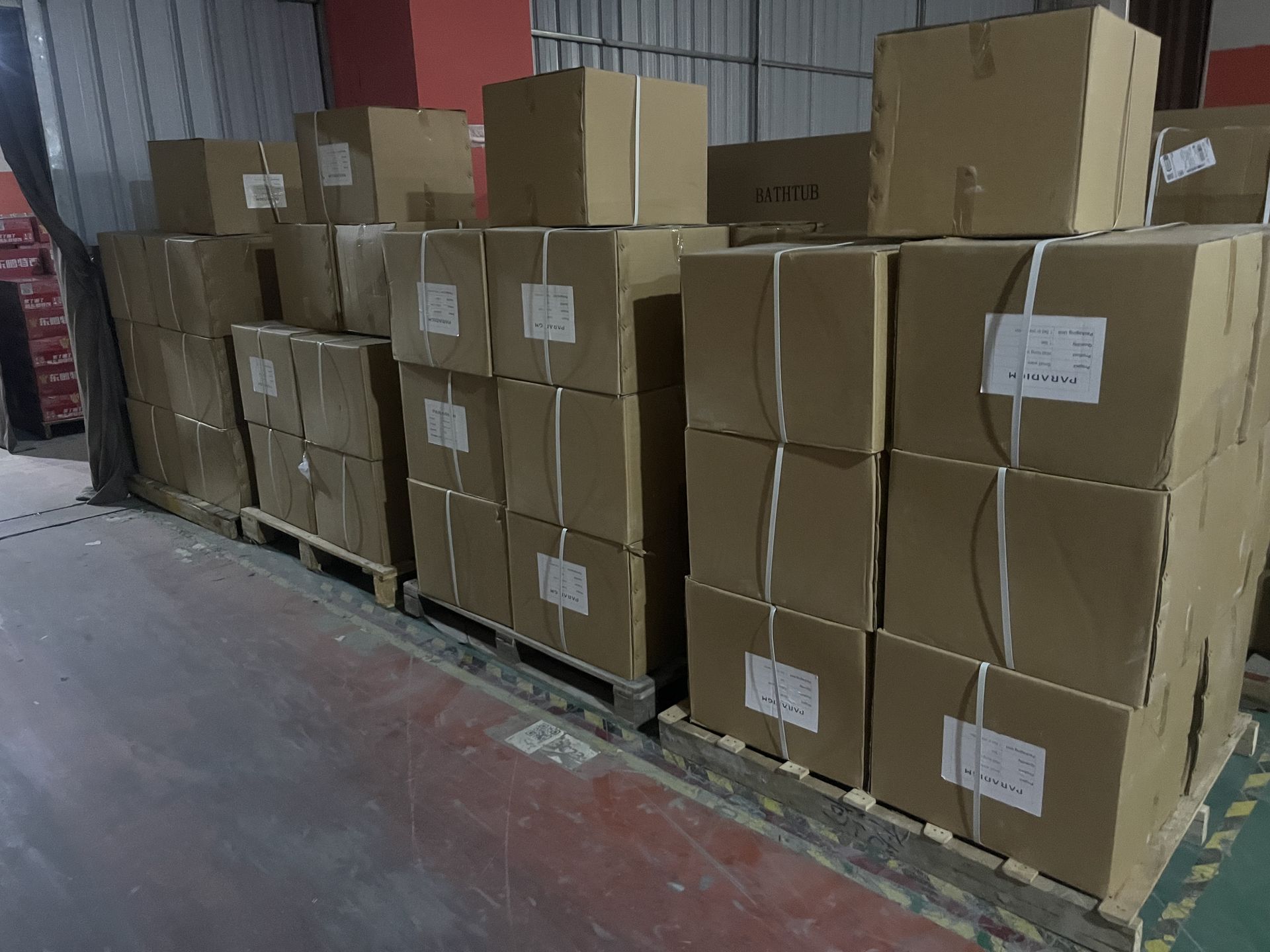
Prepare Millwork for International Transportation
Select packaging based on the size, weight, surface texture and fragility of the product.
The most popular packaging materials are
- Foam protection for finished surfaces.
- Edge guards for corners.
- Dust and moisture protection by plastic wrapping.
- Good cartons for smaller parts.
- Wooden crates for large or delicate products.
For example, a lacquered reception desk needs extra surface protection to prevent scratches. Large wall panels also require adequate support to minimize bending or damage during handling.
It is also important to label each package with the product name, project reference, quantity and handling instructions.
If your shipment is on solid wood pallets or crates, research the ISPM 15 requirements in the country of destination. International wood packaging must be treated and certified with the correct certification mark for many markets. For instance, the US Department of Agriculture requires regulated wood packaging that complies with ISPM 15.
Coordinate Shipping Schedules and Consolidation
Your shipping plan should be consistent with the production schedule and project installation dates.
Products can be shipped via:
Shipping Method | Best Suited For | Main Consideration |
Sea Freight | Large and heavy millwork orders are being placed. | Longer transit time |
Air Freight | Express or smaller shipments | Higher transportation cost |
Consolidated Freight | Orders from several suppliers, but smaller in size. | Requires careful coordination |
Sea freight may be suitable for large hotel and commercial millwork projects, as it is able to carry bulky items. When speed of delivery is more important than transport cost, air freight could be the best option for urgent replacement components.
Another factor to take into account is shipment consolidation. When more than one supplier is involved and the products are different, you can arrange for the suppliers to deliver their jobs at the same time to enable you to arrange a combined shipment.
- For instance, wardrobes from one factory and decorative wall panels from another, etc. If your team is able to coordinate orders around the same delivery schedule, a coordinated shipping plan can help them do this.
Manage Export Documentation and Customs
Accurate documentation is required for international shipments. Delays and extra costs can be caused by missing or incorrect information.
Some of the most frequently required documents are
- Commercial invoice.
- Packing list.
- Bill of lading/air waybill.
- Certificate of origin if necessary.
- Any product compliance documents that are relevant.
- Applicable customs declarations.
Your freight forwarder and customs broker can assist you in determining the needs for your destination country.
Product descriptions, quantities, declared values, shipping terms and consignee information should be verified prior to dispatch.
Furthermore, find out if your target market has certain product certifications or extra import documentation. Specifications may vary depending on product and country.
Coordinate Delivery With the Installation Team
What happens after the shipment arrives at its destination should be taken into account when creating your logistics plan.
Before dispatch, confirm:
- The address to which the project is to be delivered.
- Available unloading facilities.
- Storage space and accessibility of the site.
- Installation team availability.
- Required delivery sequence.
- Expected arrival dates.
For instance, in a hotel renovation project, your installation crew could require bedroom wardrobes before decorative panels in the lobby. Deliveries can be sorted by priority of installation, minimizing unproductive storage and handling.
A delivery schedule is well planned to link factory production with the actual needs of the site.
What Are the Common Challenges in Managing Millwork Projects From China?
The main problems in China millwork sourcing are the lack of clear design instructions, material differences, production delays, quality problems, communication issues, and shipping issues.
These risks can be lowered by establishing clear specifications, monitoring milestones and verifying every crucial step.
Below are six challenges and tips for dealing with them.
Common Challenge | Why It Happens | How to Manage It |
Incomplete Design Information | Lack of dimensions or technical information. | Check drawings prior to manufacturing. |
Material Inconsistencies | Materials or batches may vary in appearance. | Approve physical samples. |
Production Delays | Lack of materials or manufacturing problems. | Establish goals and track progress. |
Manufacturing Defects | Poor workmanship or specifications. | Conduct staged inspections. |
Communication Gaps | There are several teams and each team uses different information. | Communicate with a single communication channel. |
Shipping Delays | Inadequate scheduling or documentation. | Schedule logistics prior to the end of production. |
Why Is Communication Important?
Communication ensures that designers, manufacturers, suppliers, and logistics teams are all on the same page. If the information is not updated regularly, one team could be using the old information, and another team could be using new information.
For instance, if your designer decided to make a change in the finish on a hotel wardrobe once the factory began to produce, you would have to wait for the next order to receive the new one. The manufacturer may proceed with the order with the original finish if the updated instructions are not received.
This can be avoided by having documented design changes, approvals and production instructions.
How Can You Prevent Unexpected Project Costs?
Costs can be controlled by verifying the scope, materials, quantities and specifications prior to production.
Sometimes a low initial quotation can result in a lower project cost. Also take into account:
- Quality of materials and equipment.
- Costs for customizing and finishing.
- Packaging expenses.
- Inspection fees.
- Freight and insurance.
- Import duties and local handling charges.
- Cost of installation and storage.
For instance, selecting a lower quality surface finish can lower the production price but will also likely result in higher maintenance costs if the product is not able to withstand daily use.
It is better to consider the overall project cost instead of just the unit price of the factory.
How Does an End-to-End Millwork Partner Simplify International Projects?
An end-to-end millwork partner takes the hassle out of international projects by linking design, material selection, manufacturing, quality control, and logistics. This saves you time in dealing with each supplier separately.
A coordinated partner supports you to get:
- Improved Communication: A single point of contact for project updates.
- Design Accuracy: Clear drawings and specifications.
- Consistent Production: Approved materials and finishes.
- Quality Management: Quality checks during key production phases.
- Organized Scheduling: Defined manufacturing and delivery milestones.
- Better communication between factories and project teams, easier coordination.
For instance, a business venture can need reception desks, wall panels, storage cabinets and meeting room furniture. You can coordinate these products in one structured project plan rather than each requirement individually.
- At Belosso, we are able to coordinate custom architectural millwork projects from design discussions to shop drawings, finish sampling, production, and quality control. We work to ensure that your design specifications are matched with the practical manufacturing needs.

Why Choose Belosso for Millwork Sourcing in China?
The right sourcing partner can help you convert your design concepts into actual products while ensuring quality and project specifications.
Belosso specializes in custom architectural millwork and furniture for commercial, residential, and hospitality work.
Our capabilities include:
- Custom Architectural Millwork: Reception desks, wall panels, cabinetry, bar counters and integrated storage.
- Design Coordination: We coordinate your designs with your layouts and technical requirements.
- Shop drawings and Renderings: We create detailed designs for review and approval.
- Material Selection: We guide you in choosing appropriate materials and finishes.
- Physical Sampling: Coordination of color and texture samples.
- Production and Quality Control: We arrange production and quality checks.
If you're building a hotel, for instance, our custom millwork can be used for reception areas, guest room storage, decorative wall panels, and bar counters.
We want to help you coordinate your custom architectural millwork projects with less hassle and still meet your design and manufacturing needs.
Conclusion: Make Millwork Sourcing From China Easier With End-to-End Project Management
Finding a manufacturer with competitive prices is not enough to successfully source millwork from China. A coordinated process linking design requirements, technical drawings, choice of materials, production, quality control and international logistics is required. Errors, cost management, and delivery schedules are minimized with proper planning.
At Belosso, we collaborate with designers, developers, and hospitality professionals to help coordinate bespoke architectural millwork and custom furniture projects. We specialize in design coordination, shop drawings, finish sampling, production, and quality control, which helps you to link your ideas with manufacturing solutions.
Planning a custom millwork project in China? Contact us today to talk about your design needs, material and finish choices, and how we can help you achieve the best outcome for your upcoming residential, hospitality, and/or commercial project.
Frequently Asked Questions
1. How Does Millwork Sourcing from China Work?
The sourcing of millwork from China includes locating the manufacturers, communicating design specifications, approving drawings and materials, overseeing manufacturing, checking the finished products, and arranging transportation of the products internationally.
Typically, you begin with architectural plans, measurements, and material choices. The manufacturer then creates specifications and quotes based on your needs.
2. How Long Does a Custom Millwork Project Take in China?
Depending on the complexity of the design, the quantity of orders, the availability of materials, and the shipping schedule, a custom millwork project can take several weeks or longer.
Design approvals, sampling, manufacturing, inspections and transportation should all be part of your timeline. Drawings and materials should be completed as soon as possible to avoid delays.
3. How Can I Ensure the Quality of Millwork Manufactured in China?
Millwork quality can be maintained by approving samples, reviewing shop drawings, monitoring production, and scheduling inspections prior to shipment.
If the order is large, sample the first finished products before accepting and paying for the rest of the order.
4. What Information Do Manufacturers Need Before Starting a Millwork Project?
Manufacturers require architectural drawings, exact dimensions, quantities of products required, material preferences, finish selections, and project timelines.
Also give reference pictures, hardware requirements, and installation instructions. Full information is required to enable the factories to give accurate quotations and shop drawings.
5. Does Millwork Sourcing from China Include Shipping and Delivery?
Depending on your supplier agreement, millwork sourcing from China may involve packaging, export coordination, freight and international delivery.
Before ordering, ensure who is responsible for freight, customs documents, customs clearance, and final delivery.
6. Is It Better to Source All Millwork From One Manufacturer?
One manufacturer can make communication and production coordination easier, but one factory might not have the expertise in every millwork product.
Before choosing your suppliers, compare manufacturing experience, product capabilities, quality standards, and price.
7. What Should I Check Before Approving a Millwork Supplier in China?
Check out the supplier's manufacturing capabilities, past projects, material options, quality control process, technical drawing ability, and communication practices.
Also verify production schedules, payment terms, inspection details, and who will be liable for any defects.