Bespoke furniture cannot be exported without more than skilled craftsmanship. You should also have trusted furniture export packaging to ensure that all the pieces are safe during international shipping. Be it luxury wardrobes, custom reception desks or hotel furniture, the appropriate packaging can ensure that your products reach their destination in good condition.
The challenges to international shipments include rough handling, extended transit time, fluctuating weather, and loading points. Even high-quality furniture may be scratched or dented, or its structure may be damaged, without the necessary protection.
At Belosso, We make custom furniture and develop customized packaging that fits the size, weight, finish and structure of each product. This method will minimize shipping risks, safeguard your investment, and guarantee an improved customer experience.
This guide will teach you why furniture export packaging is important, the risks associated with shipping, and the materials used to package furniture to ensure its safety during transit.
Why Furniture Export Packaging Matters
Good-quality furniture requires quality protection when shipping. Professional furniture export packaging will ensure that the furniture is not damaged and that all pieces are safe between the factory and the place of installation.
Protects High-Value Bespoke Furniture
Custom furniture can have high-quality finishes, glass windows, and custom details that require additional attention during transportation.
An example is that a high-gloss reception desk is easily scratched whereas a glass-door cabinet can break when it is moved during shipping. Specialized wrapping ensures that furniture is safe and reduces transportation.
Reduces Shipping Damage
Before delivery, the furniture goes through various processes, including factory loading, transportation, sea or air freight, customs clearance, and delivery.
Furniture is well packed to ensure its security at all levels of transportation.
Improves Customer Satisfaction
The customers would want the furniture to be in an ideal state. Quality packaging minimizes damages, prevents delays in projects and enhances customer satisfaction.
Supports Global Export
Shipped by sea, air, rail, and road, professional furniture export packaging ensures the safety of furniture exported to hotels, villas, offices, retail stores, and other commercial projects all over the world.
Common Risks During International Furniture Shipping
Furniture is subject to several challenges due to international shipping. Being aware of these dangers can guide you to select an appropriate packaging solution.
Moisture and Humidity
The fluctuation of temperature within shipping containers may cause moisture that destroys wood, upholstery, and decorative finishes.
Common issues include:
- Swelling
- Mold growth
- Surface stains
- Warping
Protective wrapping and moisture barrier films can minimize these risks.
Vibration and Impact
During transportation, there is always motion of ships, trucks, and cranes. Foam cushions, corner cushions, and internal cushions cushion shocks and protect fragile furniture.
Rough Handling
Furniture can be dropped, hit hard, stacked improperly, and hit by forklifts during loading and unloading. Good outer packaging will offer additional protection.
Container Movement
Furniture can move around shipping containers due to ocean waves, road conditions, and abrupt braking. Packaged items are safely packed.
Long Shipping Duration
International deliveries usually require several weeks. During this period, varying temperatures and transportation conditions can expose furniture to damage.
Furniture export packaging assists in the preservation of quality products between the time of departure and delivery.
Types of Furniture Export Packaging
Various furniture has to be packed in different ways. The correct decision will be based on the size of the product, its weight, materials and mode of shipping.
Popular packaging choices are illustrated in the table below.
Packaging Type | Best For | Main Benefit |
Corrugated Cartons | Small furniture and accessories | Lightweight and affordable |
Wooden Crates | Luxury and fragile furniture | Maximum protection |
Plywood Cases | Export furniture | Strong with lower weight |
Palletized Packaging | Bulk shipments | Easy loading and unloading |
Flat-Pack Packaging | Modular furniture | Saves shipping space |
Corrugated Cartons
Corrugated cartons are effective with lightweight furniture, shelves, chairs and furniture accessories.
They offer simple protection and are cost-effective in shipping.
Further foam and protective wrapping enhance the safety of delicate products.
Wooden Crates
Wooden crates offer some of the highest levels of protection to international furniture shipping.
Many luxury furniture manufacturers use wooden crates because they:
- Marble furniture
- Glass furniture
- Solid wood furniture
- High-value bespoke furniture
The hard body prevents furniture damages when it is transported due to heavy impacts.
Plywood Cases
Plywood cases are very strong and save on shipping weight compared to solid wood crates.
Plywood is also a material used by many international furniture exporters due to its ability to be both durable and cost-effective.
Palletized Packaging
Commercial projects and large-scale projects usually entail hundreds of furniture units.
Palletized packaging is used to arrange the shipments and to enable the use of forklifts to move goods safely.
This approach will also accelerate warehouse operations and loading of containers.
Knock-Down (Flat-Pack) Packaging
Certain product designs in furniture enable manufacturers to ship products disassembled.
Flat-pack packaging has several advantages:
- Consumes less container space.
- Lowers freight costs
- Makes transportation easier
- Minimizes shipping.
Installers put together the furniture at the project site after delivery.
Packaging Materials Used for Bespoke Furniture
During international shipping, the furniture is safeguarded by the right packaging materials, which ensure it is not damaged.
Every material has its purpose.
Foam Protection
Foam protects fragile surfaces and cushions the impact during transportation.
Manufacturers frequently use custom cut foam to fit the shape of each piece of furniture.
Bubble Wrap
Bubble wrap helps to cover completed surfaces against scratches and minor hits.
It is particularly effective with:
- Painted furniture
- Glass panels
- Decorative surfaces
- Metal details
Corner Protectors
During handling, corners are usually the first to be hit.
Corner protectors, made of plastic, foam, or cardboard, are used to protect against dents and chipped edges.
They offer additional security to cabinets, wardrobes, desks, and tables.
Stretch Film
Stretch film is a protective material that is safely fastened around the furniture.
It also maintains dust, dirt and light moisture during transportation.
Moisture Barrier Bags
One of the largest problems in international shipping is humidity.
Moisture barrier bags minimize condensation and help prevent moisture damage to wood furniture, veneers, and upholstered products.
Edge Guards
During loading, long furniture edges may be scratched.
Edge guards reinforce these weak points and help keep the furniture in style.
Honeycomb Paper
Honeycomb paper is now an environmentally friendly substitute for plastic packaging used by many manufacturers.
It provides excellent cushioning and promotes environmentally friendly packaging.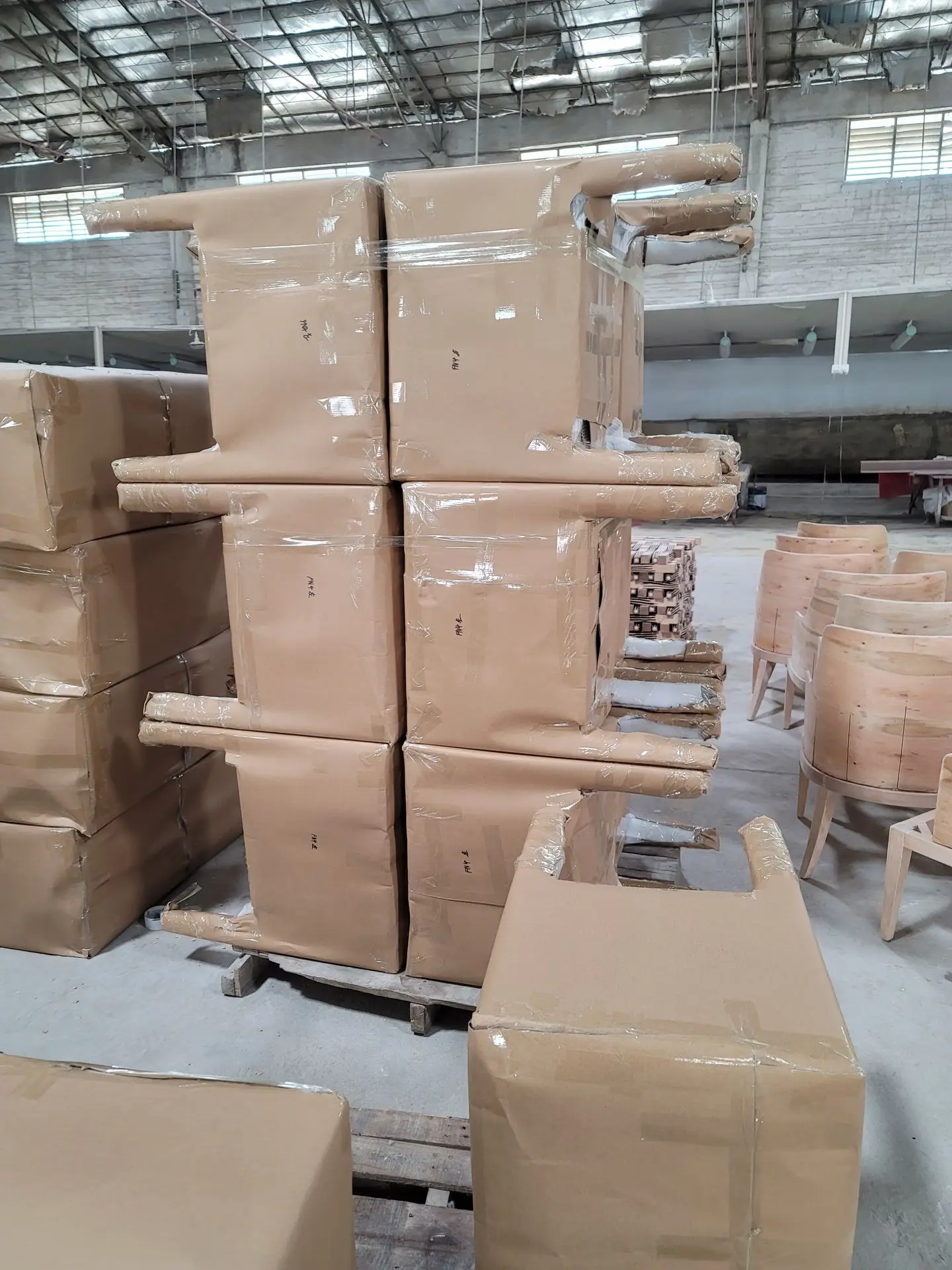
Engineering Custom Packaging Solutions
Each custom furniture piece is of various dimensions, materials, finishes and construction. This diversity is why not all products can be safeguarded using the same method of packaging. Good packaging for furniture exports begins with engineering. We do not use standard boxes; instead, we make packaging to suit each piece of furniture and the conditions it will encounter during shipping.
Product Assessment
We start by considering the furniture and then proceed to design the packaging.
Our team checks:
- Product dimensions
- Overall weight
- Material type
- Surface finish
- Glass or marble elements.
- Fragile decorative details
- Moving parts and hardware.
An example is that a solid wood dining table will need protection of a different type as compared to a reception desk with LED lighting or a wardrobe with mirrored doors.
This test assists us in selecting the appropriate packaging material and support structure.
Structural Packaging Design
Once the assessment is complete, we develop packaging that protects the furniture at alcomplete, we develop packaging that protects the furniture at all levels of transportation.
In our packaging design, we aim at the following:
- Stopping the movement within the package.
- Supporting heavy sections
- Guarding dainty edges and angles.
- Distributing weight evenly
- Ensuring the safety of loading and unloading.
We do not merely wrap the furniture but create protection around the design.
Material Selection
Each packaging material has its purpose.
Furniture Type | Recommended Packaging |
High-gloss cabinets | Foam, bubble wrap, corner protectors |
Marble furniture | Foam inserts, wooden crates |
Glass display cabinets | Plywood cases with internal supports |
Hotel furniture | Stretch film, foam, wooden crates |
Office furniture | Corrugated cartons with edge protection |
The selection of appropriate materials contributes to minimizing damages and preventing unnecessary expenses on packaging.
Prototype Testing
We test packaging designs when necessary before large production runs.
Testing may include:
- Drop testing
- Compression testing
- Vibration testing
- Load testing
These tests can be used to determine weak areas prior to shipping.
Packaging Optimization
Container space should also be utilized effectively in strong packaging.
Well-designed packaging can:
- Fit more products in a single container.
- Reduce empty space
- Lower freight costs
- Improve loading efficiency
This will not only keep your furniture safe but will also help you control your shipping budget.
Packaging Process for Export Furniture
An organized packaging system ensures that all shipments are organized and uniform.
Furniture Inspection
We check each piece of furniture before the packaging process.
We check:
- Surface quality
- Measurements
- Hardware installation
- Finish consistency
- Overall condition
Only the approved products pass to the packaging stage.
Protective Wrapping
We cover furniture with the appropriate protective material depending on the design.
This can involve:
- Foam sheets
- Bubble wrap
- Stretch film
- Protective fabric
- Moisture barriers
The layers are resistant to scratches, dust, and impact.
Internal Cushioning
Internal supports hold furniture in place within the packaging.
Furniture may move in transit without the appropriate cushioning.
Support blocks, foam inserts, and spacers assist in absorbing movement and vibration.
Outer Packaging
Once we have done the internal protection, we then put furniture into the corresponding outer packaging.
This may include:
- Corrugated cartons
- Plywood cases
- Wooden crates
- Palletized packaging
The type of packaging will be determined by the size of the furniture, destination, and mode of shipping.
Labeling and Documentation
Labeling assists logistics teams to process shipments appropriately.
Labels may include:
- Fragile
- This Side Up
- Keep Dry
- Do Not Stack
- Product Identification
- Installation Reference
Proper documentation also backs up customs clearance and project organization.
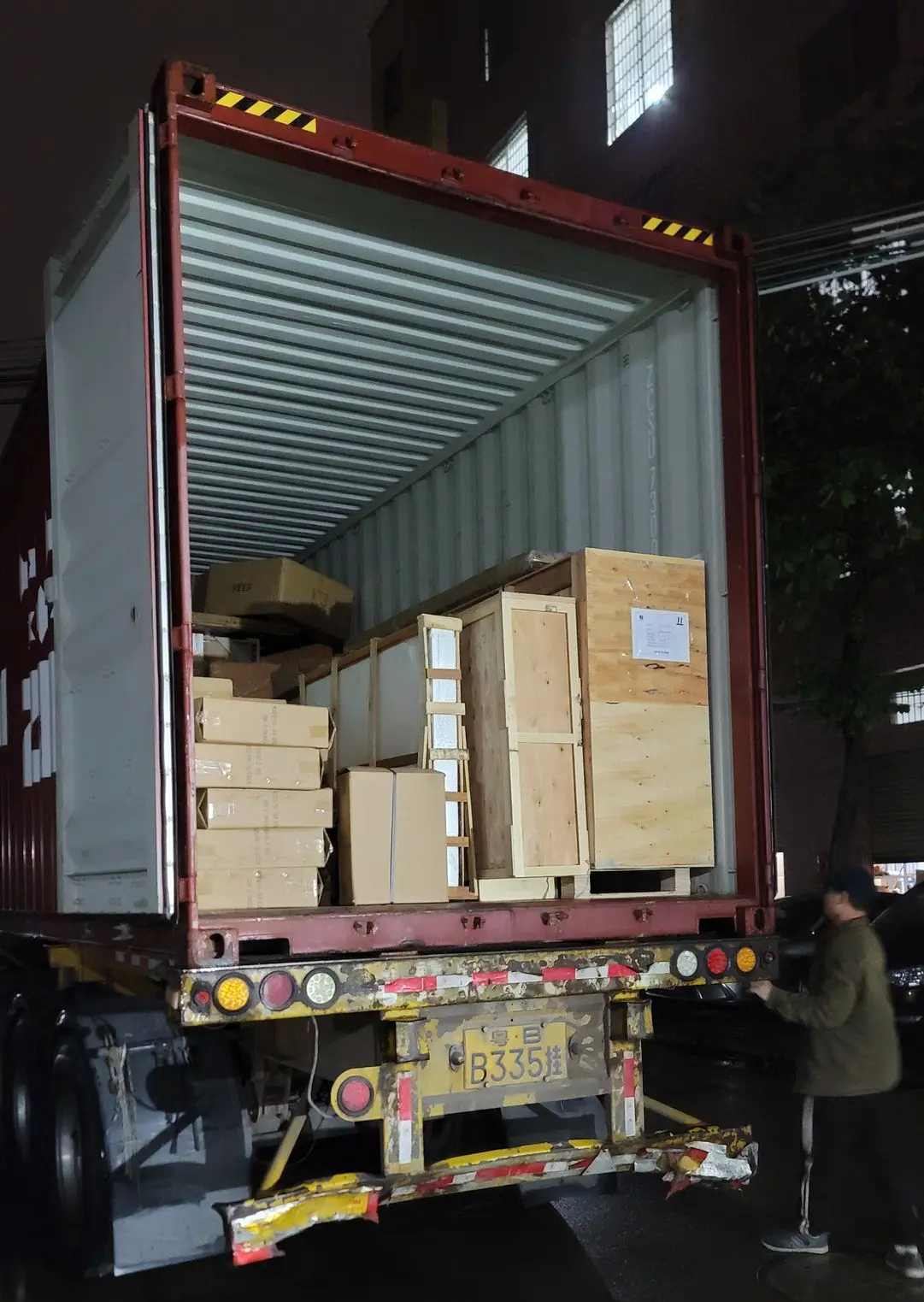
Container Loading
Container loading plays a major role in protecting furniture.
Our crew properly organizes deliveries to:
- Prevent movement
- Balance weight
- Protect delicate products
- Maximize available space
Proper loading minimizes the chances of damage during transportation over a long distance.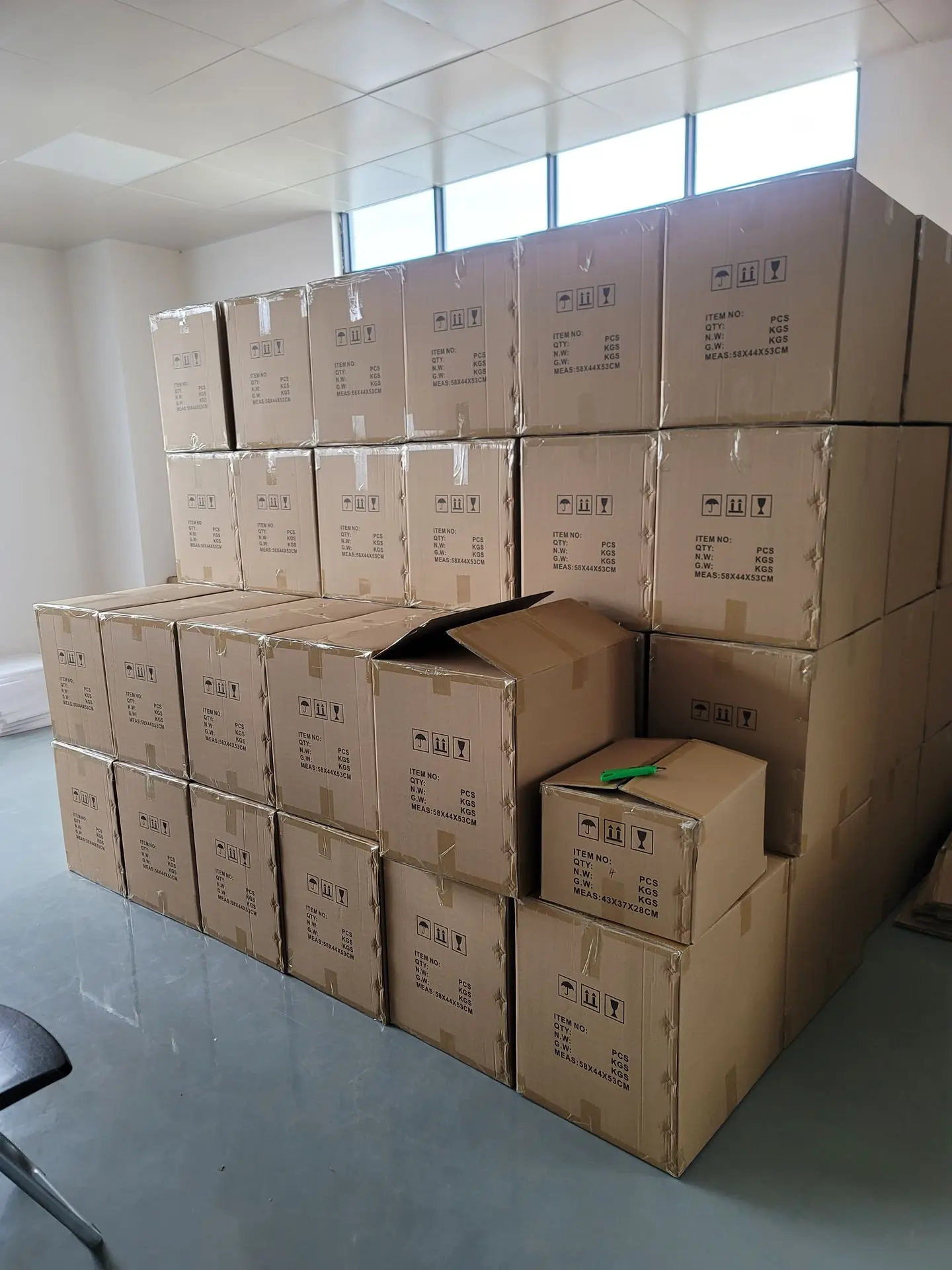
International Packaging Standards and Compliance
International deliveries should be packaged to a standard that will guarantee safe delivery and smooth clearance at customs.
ISPM 15 Requirements
To meet the requirements of ISPM 15, many countries need wooden packaging material. Heat-treated wood will assist in preventing pest proliferation and accelerate the customs process.
Moisture Protection
Furniture is exposed to humidity and temperature changes during long ocean journeys.
To limit the moisture damage, we use the following:
- Moisture barrier bags
- Desiccants
- Protective wrapping
- Proper container ventilation
These are to ensure that furniture is in excellent condition during the journey.
Shipping Labels
Professional shipping labels minimize handling errors and assist logistics teams in transporting products safely.
Export Documentation
Proper documentation will eliminate delays in international shipments.
Typical documents include:
- Packing lists
- Commercial invoices
- Shipping marks
- Product identification labels
Sustainable Furniture Export Packaging Options
The concept of sustainability is emerging as a significant aspect in exports of international furniture. A significant number of businesses are shifting to eco-friendly packaging options that minimize environmental impact.
Recyclable Materials
Recyclable cartons, paper cushions, and other recyclable materials are also strong and offer protection but minimize waste.
FSC-Certified Wood
Wood sourced responsibly promotes responsible forestry without affecting the packaging strength.
Paper-Based Cushioning
Honeycomb paper and kraft paper provide good protection and less plastic is used.
Reduced Plastic Packaging
Where we can, we will substitute unwarranted plastic with recyclable materials to develop more sustainable packaging.
How Proper Packaging Reduces Shipping Costs
It is a common belief that tighter packaging will always be pricier. The fact is that high-quality packaging for exporting furniture will save money in the long run.
Lower Damage Claims
Enhanced protection minimizes product damage, replacement, repair and insurance claims.
Better Container Utilization
Efficient packaging enables the transportation of more furniture to fit in each container, which reduces shipping expenses.
Reduced Replacement Costs
Repairing broken custom furniture is costly and time-consuming. Dependable packaging will prevent these unnecessary expenses.
Quick Loading and Unloading
Properly packaged packages improve handling and keep projects on schedule.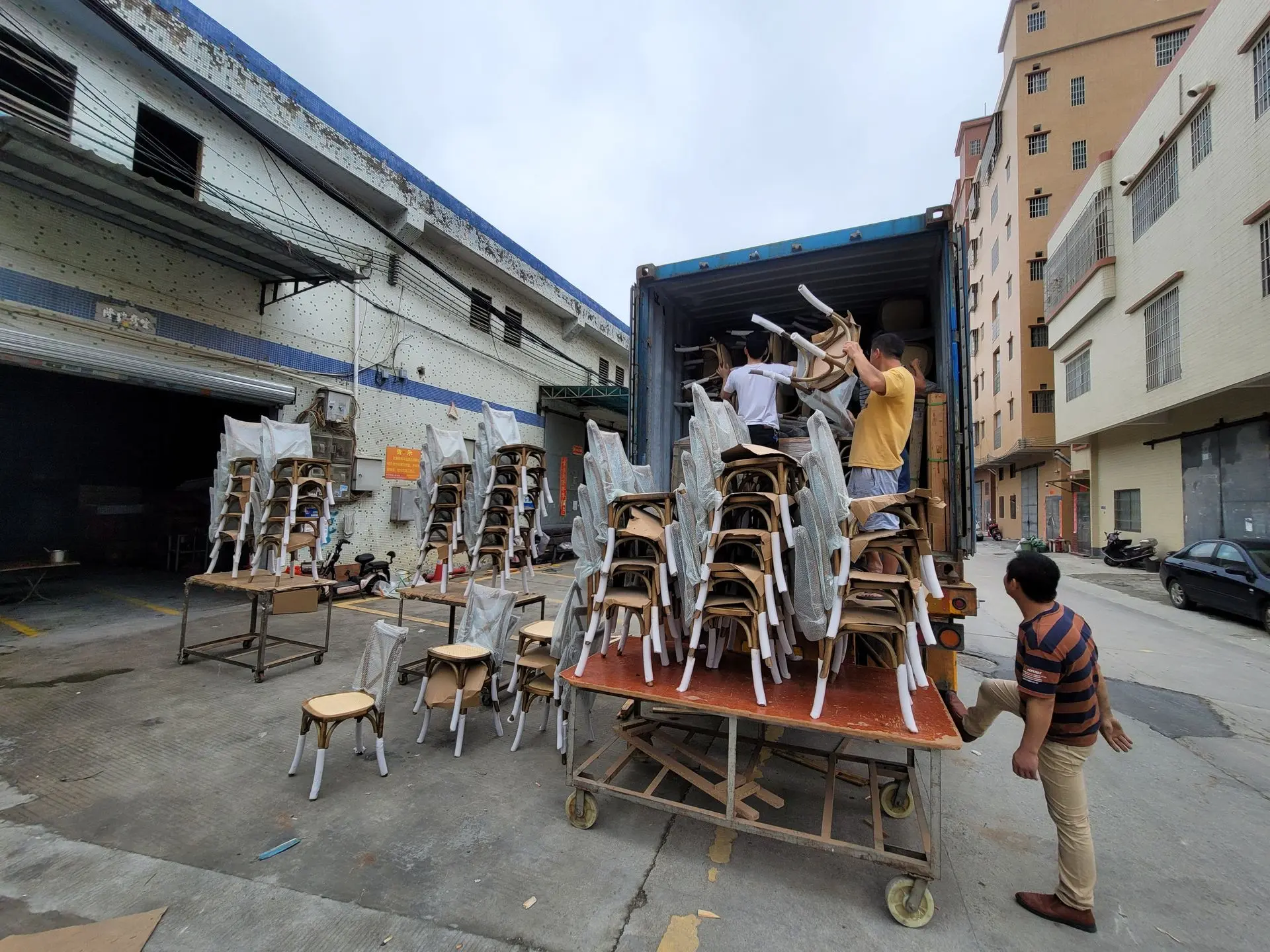
Choosing the Right Packaging Partner in China
The correct packaging partner assists in protecting your furniture and successful international delivery.
Look for a manufacturer that offers the following:
Experience in Bespoke Furniture
Custom furniture entails special packaging expertise. Select a company that is knowledgeable on various materials, finishes and export requirements.
Design Support and Engineering
The engineered packaging is superior to the standard packaging because it corresponds to the design of each piece of furniture.
Quality Control
Regular quality checks are used to make sure that all shipments are of high quality before export.
International Export Experience
A seasoned export partner understands global shipping needs and prepares furniture for transport under various conditions.
One-Stop Packaging Solutions
A single supplier for both furniture manufacturing and export packaging simplifies communication, improves efficiency, and maintains quality.
Why Choose Our Furniture Export Packaging Solutions
Custom furniture should receive custom protection.
Our furniture export packaging is designed to suit each of our products. Rather than using standard packaging, we design solutions dependent on the size, weight, finish and destination of the furniture.
Our solution has several benefits:
- Individually designed packaging on each furniture project.
- High-quality protective materials
- Packaging designed for international shipping
- Tight quality checks prior to shipment.
- Safe transportation is ensured through efficient container loading.
- Green packaging where feasible.
Hotel, villa, office, retail store, restaurant, and business development support all over the world. Through integration of furniture production and designed packaging, we contribute to minimizing the risk of shipping and delivering products that are ready to install.
Conclusion: Partner with Belosso for Reliable Furniture Export Packaging
To deliver custom furniture around the globe, it takes more than quality workmanship. It also involves well-thought-out furniture export packaging, which ensures that all products are safe during manufacturing to the final delivery. Proper packaging minimizes losses, reduces transportation expenses, facilitates internationalization, and assists in ensuring that each item is in great shape.
If you are searching for a trusted partner for custom furniture manufacturing and reliable export packaging, we are here to help. Our team uses a combination of professional workmanship and packaging solutions that are engineering-based to safeguard your investment in the whole shipping process. Contact us today to discuss your project and discover how our custom furniture and export packaging solutions can help you in your next residential, hospitality, retail, or commercial development.
FAQs
What is furniture export packaging?
Furniture export packaging involves the use of protective materials and designed packaging systems that ensure the safety of furniture during international transportation.
Why does bespoke furniture need custom packaging?
Custom furniture can also feature high-quality finishes, unusual sizes, and fragile elements. Custom packaging better safeguards these features than standard packaging.
Which packaging material protects furniture best?
The most appropriate solution will be determined by the type of furniture. Manufacturers also tend to use foam, bubble wraps, moisture barriers, wooden crates, and plywood cases together to ensure maximum protection.
Can effective packaging reduce shipping costs?
Yes. Improved packaging minimizes damages, replacement expenses, better utilization of container space, and shipping claims.
Do all wooden crates require ISPM 15 treatment?
The international shipping of wooden packaging is mandatory in many countries in accordance with the ISPM 15 requirements. Always ensure that you verify the import requirements in the destination country.
How do you protect furniture from moisture during shipping?
The use of moisture barrier bags, desiccants, protective wrapping, and proper container loading can reduce the effects of humidity.
Is sustainable furniture packaging strong enough for export?
Yes. Numerous recyclable and paper based products offer great protection and less harm to the environment.
What should you look for in a furniture export partner?
Select a manufacturer that has experience in custom furniture, engineering-based packaging, quality control, and international export projects.