In the luxury design business, furniture selection does not only determine how a room would look but it also determines the lifestyle of a customer or brand of a hotel. There comes a juncture when you are dealing with a luxury residential project or a hospitality development and you find yourself at the crossroads of Bespoke vs modular furniture.
That is not only a matter of aesthetics. It is a strategic decision, which includes budgetary allocation, project plans, and sustainability. Although custom furniture may have the charm of being the only of its kind, the modular systems offer efficiency and scalability required during large-scale operation.
We will be juxtaposing these two solutions in terms of cost structures, level of customization, lead time, and lifecycle value in this guide to assist you in choosing the direction that suits your project objective in the broader context of Bespoke vs modular furniture decisions.
Introduction: Understanding Bespoke vs Modular Furniture in Luxury Projects
Luxury furniture is a very risky investment. Homeowners in the residential segment want to get emotional appeal and exclusivity. When it comes to hospitality, developers seek a middle ground between the design that is Instagrammable and the one that will last.
Bespoke vs modular furniture is an issue, as it will directly affect your Return on Investment (ROI). Making a bad decision may result in missing a hotel opening or residential accommodation that is generic. All you need is to consider five important factors in order to make the right call:
- Budget Allocation: Are you making expenditures on special craftsmanship or quantity-based efficiency?
- Project Timeline: How many weeks to wait to make a masterpiece? Two months to the grand opening?
- Brand Identity: Does the furniture have to tell a particular story?
- Durability: Will the item withstand a living room or a busy hotel lobby?
- Operating Efficiency: Ease of repair or replacement of a damaged unit?
What Is Bespoke Furniture?
Definition and Core Characteristics
Custom-crafted furniture is the ultimate customization within the Bespoke vs modular furniture discussion. They are original works that you commissioned for your project. Here there are no standard sizes. Each inch is made to fit in a particular architectural niche or the individual ergonomics of a client. These items are made with unusual materials, finishes, or traditional joinery by the artisans or specialist manufacturers.
Common Applications in Luxury Residential Projects
In the ultra-luxury houses, custom solutions tend to be the norm in:
- Custom Kitchens: Cabinets and built-in furnishings that are around the architecture.
- Walk-in Wardrobes: A personalized storage of particular shoe collections, watches, or clothing items.
- Feature Staircases: Sculptural structures that serve the purpose of being the focal point of the home.
- Statement Pieces: Dining Tables or headboards that are not available in any other home in the world.
Use in Hospitality & Contract Environments
Bespoke is not just for homes. It is applied in the hospitality industry in:
- Signature Lobby Furniture: The first impression is the most important for the creation of a powerful brand.
- Presidential Suites: This is where the major product is exclusivity.
- Boutique Hotels: In which each room may have its own slightly different design or theme.
Advantages of Bespoke Furniture
- Endless Flexibility: Select the material of your choice, of which reclaimed wood or liquid metal finishes can be used.
- Space Optimization: It addresses the issue of empty space of clumsy architectural planning.
- Storytelling: It enables a brand or homeowner to tell a totally original story.
These advantages often make bespoke the premium side of the Bespoke vs modular furniture comparison.
Limitations of Bespoke Solutions
- Expensive Initial Investment: you are paying for design time, prototyping, and manual labor.
- Greater Lead Times: It takes a lot longer to handcraft something than it would to just assemble it in the factory.
- Replacement Challenges: Once the customized chair is broken in 3 years, you would not be able to order a new one from a catalog, but rather you would have to have it repaired.

What Is Modular Furniture?
Definition and Core Characteristics
Modular furniture comprises pre-engineered systems. Consider them as building blocks of the high end. These units are standardized in size yet they are flexible in configurations. The production is done in semi-custom or mass batches so that all of the "Module A" fit perfectly with all of the "Module B"s.
Common Applications in Luxury Residential
Modern luxury may take advantage of modularity in the Bespoke vs modular furniture debate because of:
- Wardrobe Systems: Modular frames with the ability to customize the doors and interiors are common in the high-end Italian brands.
- Living Room Units: Media consoles and shelves that can expand or contract depending upon the size of the wall.
- Modular Sofas: Each space can be reconfigured by adding and removing sections so that you can have a party or an intimate night watching a film.
Use in Hospitality & Contract Projects
This is the place where modular furniture comes in. It is the go-to for:
- Guest Room Packages: It is necessary to make sure that there are 200 rooms that are exactly the same and having the same standard of quality.
- Serviced Apartments: In which convenient storage and convenient maintenance take precedence.
- Co-living Spaces: Intense and dense living spaces that need intelligent, scalable furniture.
Advantages of Modular Furniture
- Speed: The engineering is already done; hence, it is a lot faster in terms of production and installation.
- Reliable Costs: You are aware of the expenses of each unit; hence, it is possible to predict their costs.
- Easy Repair: In case a drawer front is scratched in a hotel room, you can replace it with one in the warehouse.
Limitations of Modular Furniture
- Design Constraints: You have access only to the grid or the catalog of the manufacturer.
- Repetition: Excess modularity in a luxury environment may result in a cookie-cutter space.
- Fit Problems: You might have little gaps between the furniture and the wall since the units are in fixed widths (e.g. 60cm, 90cm).
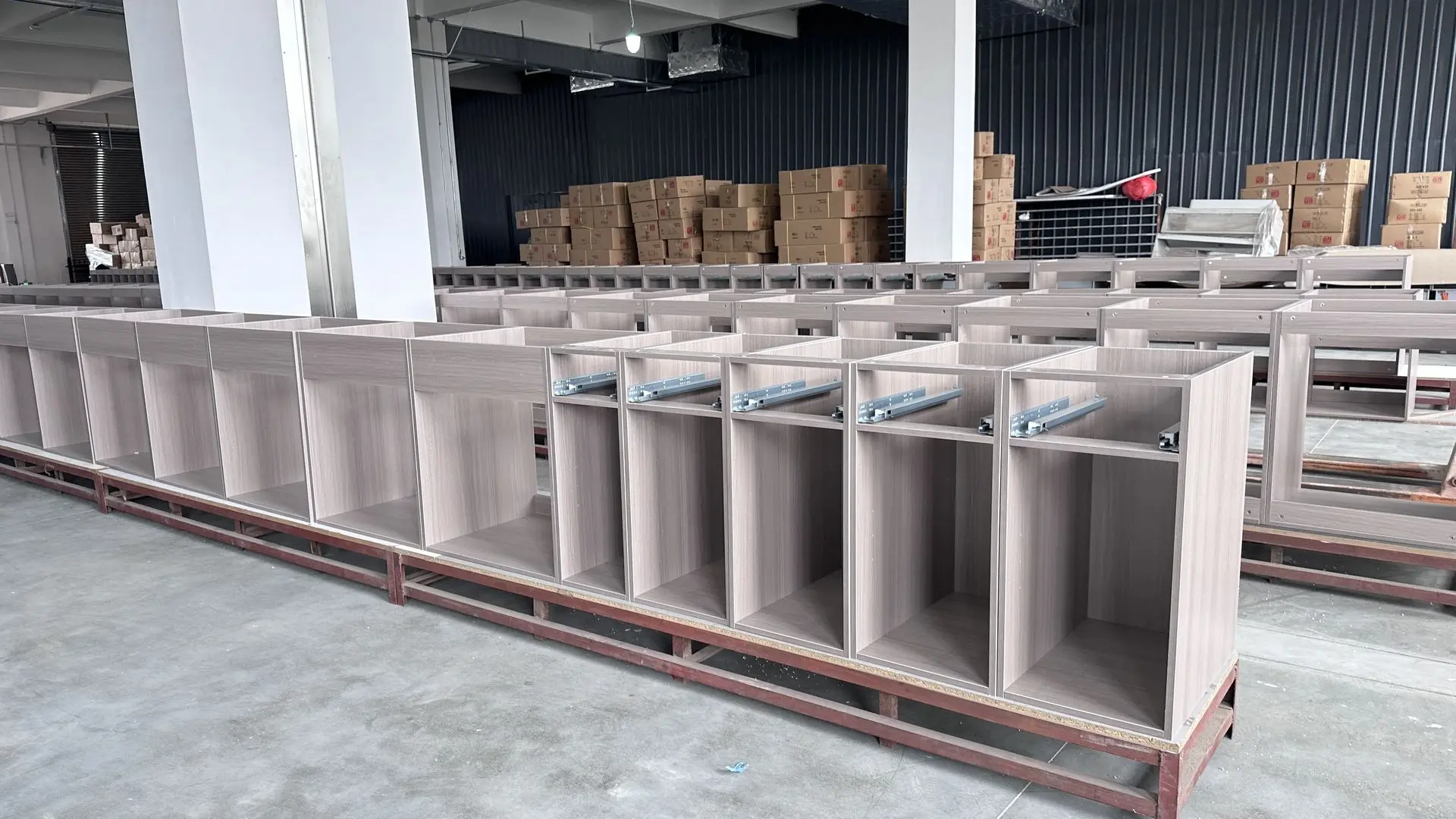
Bespoke vs. Modular Furniture: Cost Structure Comparison
Initial Investment Cost
Furniture that is custom-made is pricier since you are paying for the originality. This is for design charges, a single purchase of materials and hard labor. Modular furniture enjoys the economies of scale. When a factory is involved in producing 500 identical wardrobe frames, the unit cost will greatly decrease.
- Residential Perspective: When it is the apartment of a luxury homeowner, the high price is often compensated by the emotional value. They are not after a bargain, an heirloom they are seeking.
- Hospitality Perspective: Hospitality is an ROI-based company. The cost of the furniture that is spent has to be calculated against the night rate. Modular solutions can be made to appear luxurious without the custom cost.
Hidden Costs to Consider
Do not be only attracted by the price tag. Consider these:
- Design Revisions: Customized projects always have lots of reiteration of drawings, which increases the cost.
- Logistics: Custom-made products are notorious and expensive to ship because they are usually heavy and assembled. In smaller parts Modular pieces are commonly shipped as a flat-pack or in small parts.
- Installation: Custom-made furniture often takes days of professional joiners to install. Quick installation of modular systems can be done with the help of a trained crew.
Maintenance and Repair Costs
Whenever a custom table is broken, you require an expert to be able to recreate the original finish—this is very costly. In the case of modular furniture, the parts can be changed. The manufacturer will charge you a fraction of the price to order a new door or leg.
Cost Predictability
Projects developed on a custom basis are infamous due to scope creep. The design can be changed, and thus the price may vary. Modular furniture presents a price list that is organized and gives the project managers with tight budgets the peace of mind in dealing with it.
Customization Limits: How Far Can You Go?
Design Freedom in Bespoke Furniture
The boundary is just as imaginary as you are (and physics). You are able to merge the furniture and architecture, such as a desk that extends from a wall panel. Exotic marbles, rare veneers, or custom-cast metal legs can be used.
Customization Scope in Modular Systems
Customization is not a making process but a choosing process, or modular. The color of the lacquer, the shape of the handle, or even the internal arrangement is a matter of choice, but the structural depth of the unit cannot be altered easily at a high price.
Residential vs. Hospitality Branding
Customization in a house is concerning individual identity. It is about brand consistency in a hotel. A hotel chain must be in a position to make sure that a customer in London receives the same high-quality experience as one in Tokyo. This scalable identity can be achieved by modular systems.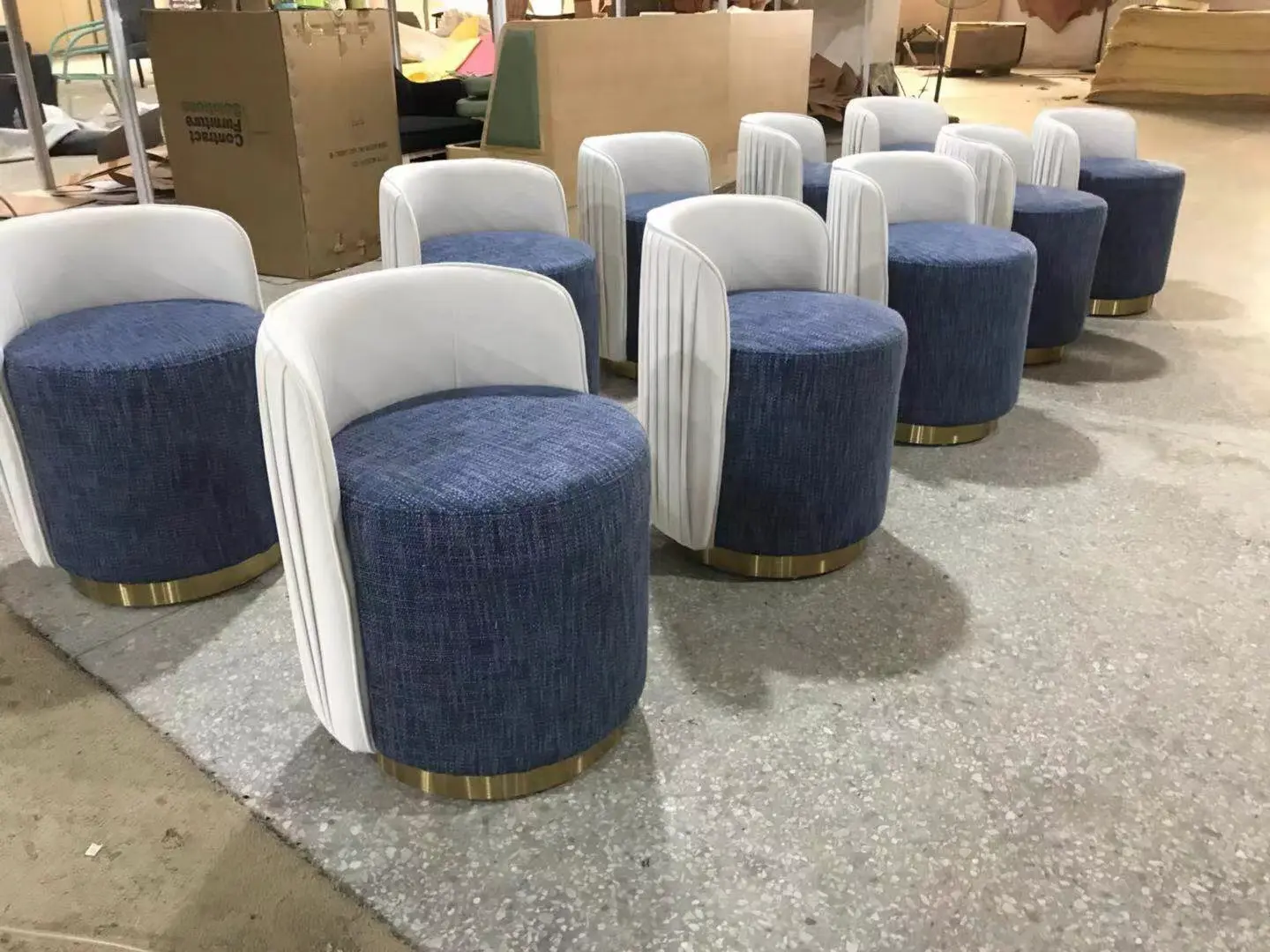
Lead Time Comparison: Project Planning Impact In Bespoke vs Modular Furniture
Bespoke Production Timeline
An individual creation follows a lengthy process: inspiration, drawings, model making, fabrication, assembling and finalization. Expect a lead time of 12 to 20 weeks. Global supply-chain of rare materials in 2026 is still unpredictable to control the time on the clock.
Modular Production Timeline
Modular furniture is constructed on an assembly line that is streamlined. The parts are frequently held in inventory. The lead times range between 4 and 8 weeks.
Impact on Opening Dates
In the case of a hotel, a week of delay will be a week of lost revenue. In case of late delivery of the furniture, then the hotel can not open. This is the reason hospitality developments have been heavily biased towards the modular approach of guest rooms but reserve customized pieces for the front areas, which can be completed at the end.
Bespoke vs Modular Furniture: Lifecycle Value Comparison
Durability
Bespoke furniture may be made of solid woods and old-fashioned joinery (such as dovetail joints) and can endure several generations. Engineered panels (such as a high-density MDF) are used in modular furniture. Modern modular furniture has gained great durability and is usually made to be used within a 10-15 year life cycle before a refresh is required.
Adaptability in Bespoke vs Modular Furniture
On flexibility, Modular furniture triumphs. You can rearrange the modules in case you need to change the layout of the room or need to move. Dresser furniture is typically attached to the room it was made in.
Sustainability
Bespoke furniture may be more sustainable, as it does not presuppose the culture of throwing away. It is constructed to be fixed, not changed. Nevertheless, modular brands currently apply the concept of circular design, which means you can reuse certain components of the furniture and not the entire unit
Residential vs Hospitality: Strategic Differences in Bespoke vs Modular Furniture
Factor | Luxury Residential | Hospitality/Contract |
Budget Flexibility | High (Emotional Spending) | Low (ROI-Focused) |
Design Uniqueness | Essential | Brand-Consistent |
Replacement Frequency | Low (Decades) | High (Every 7-10 Years) |
Durability Needs | Moderate | Heavy Commercial Use |
Scalability | Not Required | Essential |
When Bespoke Furniture Is the Better Choice
- Ultra-Luxury Villas: The client needs something that somebody else does not have.
- Heritage Properties: When the walls are not even and molded sizes are not even available.
- Boutique Hotel Lobbies: To imbibe a wow factor of defining the soul of the hotel.
- High-Profile Offices: Executive suites and boardrooms.
These projects often lean toward bespoke in the Bespoke vs modular furniture debate.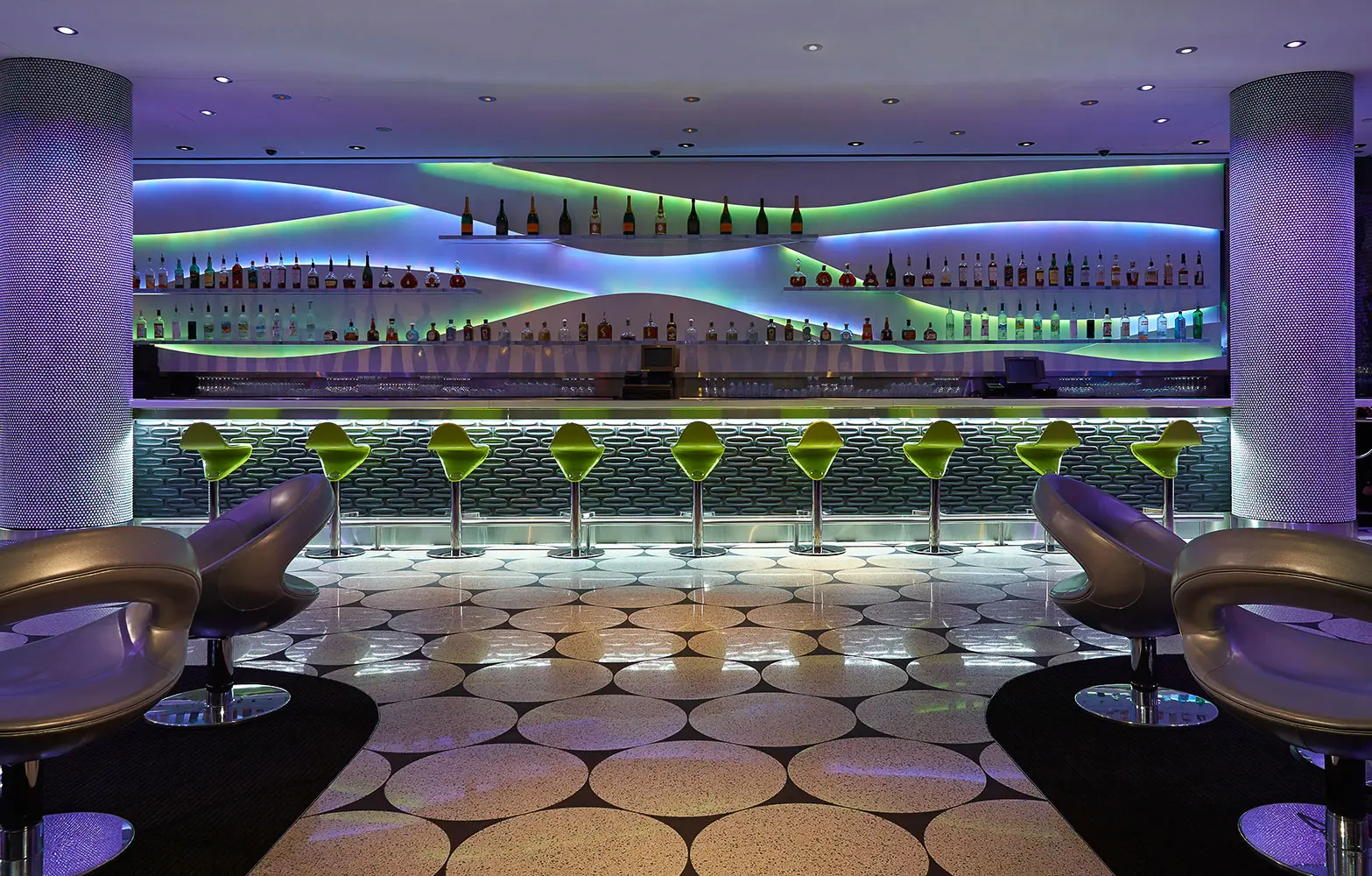
When Modular Furniture Is the Smarter Investment
- Multi-Unit Developments: In the case of luxury apartments, speed and consistency are important factors.
- Hotel Chains: To operate hundreds of quality rooms.
- Student Housing: Co-living: Durability and easy replacement are essential.
- Hard Deadlines: This occurs when the project is supposed to be done within a span of weeks rather than months.
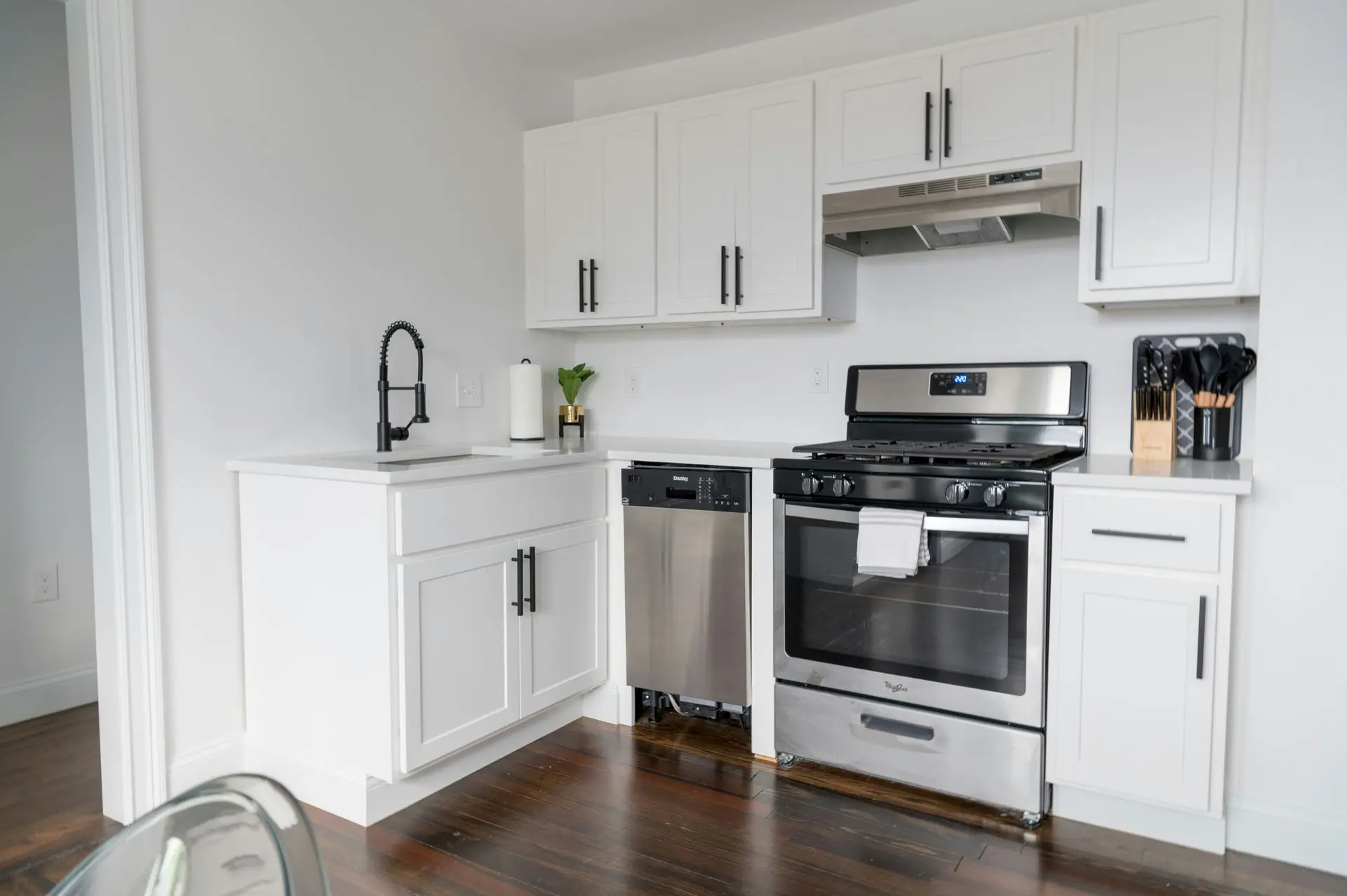
Hybrid Approach: The Best of Both Worlds
The majority of the successful luxury projects in the modern world do not select one. They use a hybrid approach.
- The Strategy: Custom furniture where the impact is strong (lobbies, master bedrooms, and statement lounges) and modular furniture where the function is great (guest rooms, second bedrooms, and storage).
- The Advantage: This is the best use of your budget. You use the big money where it is most present and compromise on the practical items, which remain of high quality and lower price.
How to Choose: A Practical Guide to Bespoke vs Modular Furniture
The following are six questions that you need to ask yourself:
- Does it have a fixed or flexible budget? (Fixed, flexible, Modular, Bespoke).
- When is the move-in or opening date? (Modular is faster).
- Is it the space that is standard or unique? (Uniquely designed architecture).
- What is the frequency of use of the furniture? (Bespoke since long last, Modular since it can easily be repaired).
- And do you have to imitate this appearance? (Modular for scalability).
- How long will it last in the expected life? (Bespoke 30+ years, Modular 10-15 years).
Final Verdict: Which Solution Is Better?
The bespoke vs. modular furniture can never have a universal winning side. The better one is that one that corresponds to your particular project requirements. The residential luxury tends towards the bespoke since it appreciates the art of the special. The modular systems are, however, more efficient and predictable and this is why hospitality projects prefer them to safeguard their bottom line.
Belosso knows that each project to do with luxury needs a light touch. You might be seeking the craftsmanship of custom-made or the smooth functionality of a modular system; either way, we are here to advise you. We offer luxury furniture products that are a balance of beauty and business.
Do you want us to look at your project floor plans and recommend a strategy of hybrid furniture? Make a call to Belosso to discuss with a design consultant.
In the end, the bespoke vs modular furniture decision would depend on what your project objectives, budget framework, time frame, and long-term value considerations are.
FAQs
1. Is bespoke furniture always more expensive than modular?
Usually, yes. Custom furniture needs to be designed and built manually. Nevertheless, in the case of very high-end modular brands, the difference in price may not be as large as you assume, more so when you also consider the luxury tax of designer brands.
2. Can I combine both in one room?
Absolutely. This is referred to as a hybrid approach. In a case in point, you could have a custom-made, hand-finished bed frame, and a custom furniture manufacturer will do the wardrobes with a high-end modular.
3. Which is more sustainable?
Custom furniture could be said to be more environmentally friendly, as it will last longer and have fewer artificial adhesives. Nevertheless, today most of the modular companies work with greener, certified materials and provide so-called part-replacement programs to waste less.
4. How long do I need to wait for bespoke furniture?
The mean announcement timeline of customized luxury furniture is 12 to 20 weeks in 2026. This spans all the way from the first technical drawings up to the last white-glove delivery.
5. Can modular furniture look "luxury"?
Yes. The finest manufacturers of modern modular systems incorporate high-quality finishes such as Italian leather and marble tops as well as good-quality veneers. An upscale modular system can be a hard distinction to make with a bespoke one when properly installed.